3 Days in Panama City: The Central American Stopover That Completely Surprised Me
This post is part of my Central America series, following a three-week trip through Panama, Costa Rica, Nicaragua and El Salvador. I share what we did, how I handled transportation and planning, and what I’d do differently next time. You’ll find related guides in the Explore Central America section at the end.
Before this trip, Panama wasn’t really on my travel radar.
It simply made sense as the starting point for a three-week Central America itinerary that would continue through Costa Rica, Nicaragua, and El Salvador. I figured we’d spend a couple of days seeing the Panama Canal before moving on.
Instead, Panama City ended up being one of the biggest surprises of the trip.
Between its modern skyline, walkable historic district, incredible seafood, and surprisingly easy logistics, I left wishing I had planned an entire trip around Panama instead of treating it as a gateway to somewhere else.
If you’re looking for an easy international getaway from the East Coast, don’t overlook Panama City.
Why Panama City Worked as Our First Central America Stop
One of the biggest surprises came before we even landed.
Award flights to Panama City were much easier to find than I expected. We flew from Philadelphia to Panama City with a quick connection in Miami, making it a surprisingly convenient destination for a long weekend.
For hotels, we combined Hyatt points with one of my Hyatt Free Night Awards for a stay at the Hyatt Regency Panama City. Since my friend also had Chase points, we were able to keep the out-of-pocket cost low.
It ended up being one of the best values of the entire trip.
Explore Hyatt Regency Panama City and check current rates →
Panama City Beyond the Canal: Skyline Views and Easy Exploring
I’ll admit it: when I pictured Panama City, I mostly thought about the canal.
What I wasn’t expecting was a skyline that reminded me of Miami.
Glass skyscrapers lined the waterfront, modern neighborhoods stretched across the city, and getting around with Uber was incredibly simple. If someone dropped me downtown without telling me where I was, I never would have guessed this was my first stop in Central America.
Our hotel wasn’t within walking distance to Casco Viejo, the historic center, but it was in a more modern part of the city. That ended up giving us two completely different impressions of Panama City: the sleek, high-rise side and the historic, colorful side.
It immediately made me wonder why Panama City isn’t talked about more often.
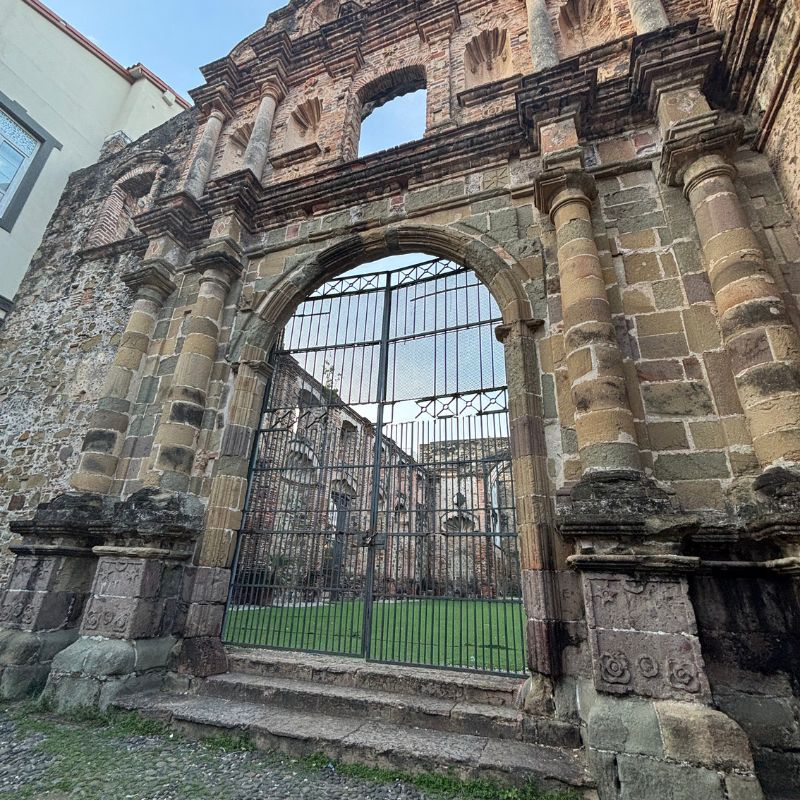
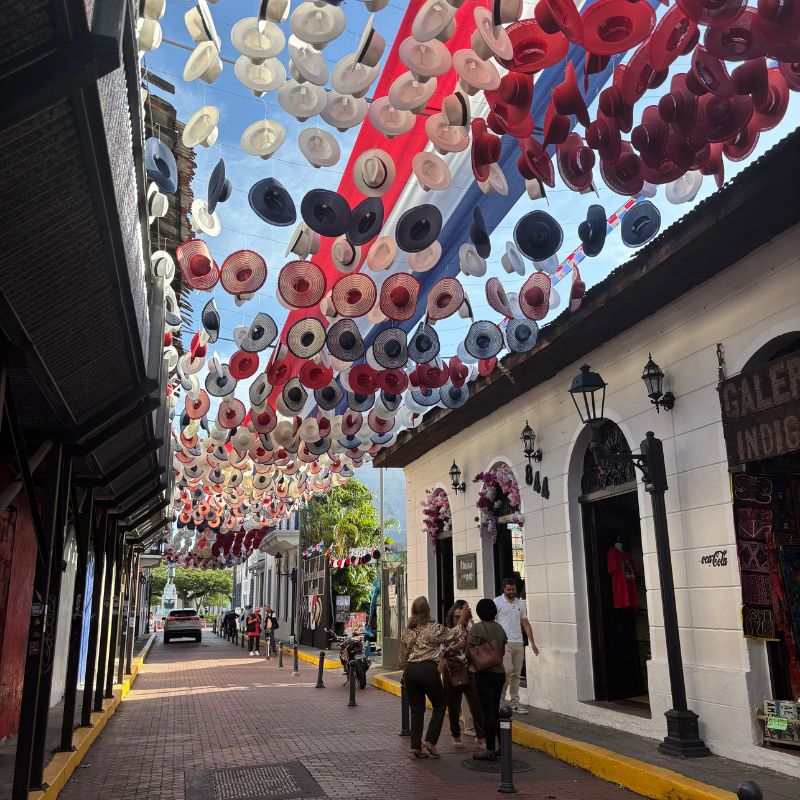
From centuries-old church ruins to colorful streets lined with art and local shops, Casco Viejo blends Panama City’s colonial history with a vibrant atmosphere that makes it one of the country’s most rewarding neighborhoods to explore.
Exploring Casco Viejo on Foot, From Historic Plazas to Rooftop Views
After dropping our bags at the hotel, we headed straight to Casco Viejo, Panama City’s UNESCO-listed historic district.
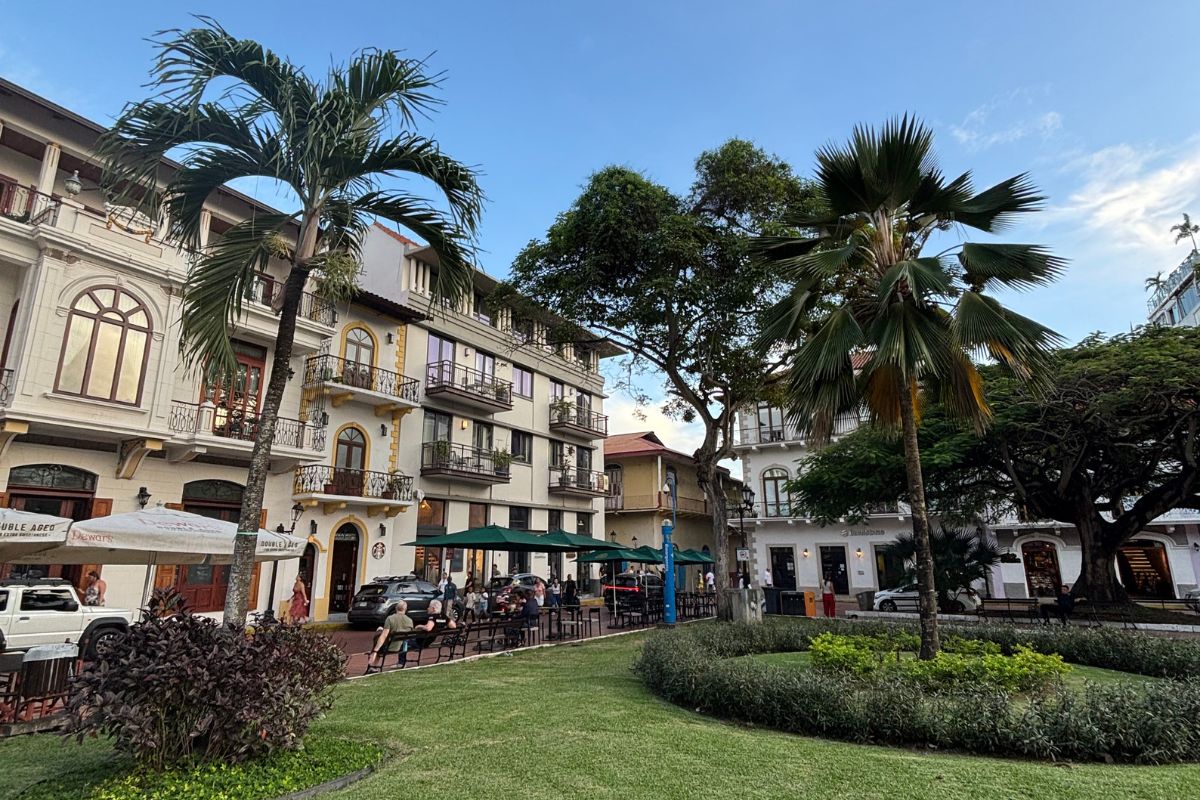
We joined an evening walking tour that gave us a great introduction to the city’s history while wandering through colorful streets, charming plazas, and beautifully restored colonial buildings. Along the way, we passed landmarks like Plaza de Francia, the golden altar of Iglesia San José, and the old city walls overlooking the Pacific.
Although Casco Viejo isn’t particularly large, every block feels a little different, with boutique hotels, cafés, rooftop bars, churches, and local artisan shops tucked between centuries-old buildings.
Once the tour ended, we spent another couple of hours simply wandering on our own. As the sun set, the historic center took on an entirely different atmosphere as the buildings lit up and the rooftop restaurants began to fill.
We finished the evening with dinner overlooking the skyline.
The views?
Absolutely worth it.
The food?
Honestly…I’d skip dinner there next time. I’d still recommend stopping for a cocktail or appetizer because the rooftop views alone are worth experiencing, but I’d save your main meal for somewhere else.
Visiting the Panama Canal: What I’d Change About Our Timing
The next morning we headed to the Miraflores Locks, one of the world’s most famous engineering marvels.
Before the trip, I had actually done my homework. I knew the busiest ship crossings happen early in the morning and later in the afternoon.
But vacation mode got the best of us.
Instead of setting alarms, we enjoyed a slow morning at the hotel, grabbed breakfast, took our time getting ready, and arrived almost perfectly between the two busiest transit windows.
If watching massive cargo ships slowly rise and fall through the locks is high on your list, I’d absolutely recommend planning your visit around those schedules. Even though we missed most of the ship traffic, I still enjoyed the visitor center because the movie gave helpful context on the canal’s history, construction, and engineering.
The exhibits explain why Panama was chosen over Nicaragua for the canal, how it transformed global trade, and why Panama uses the U.S. dollar today.
Even without seeing ships actively passing through, it was fascinating to learn just how much the canal shaped the country’s history.
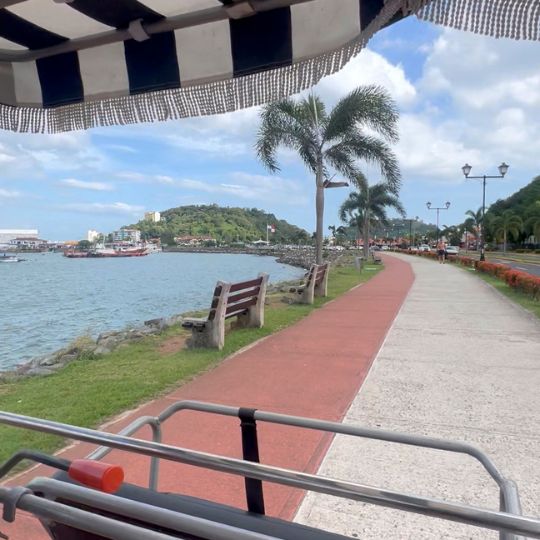
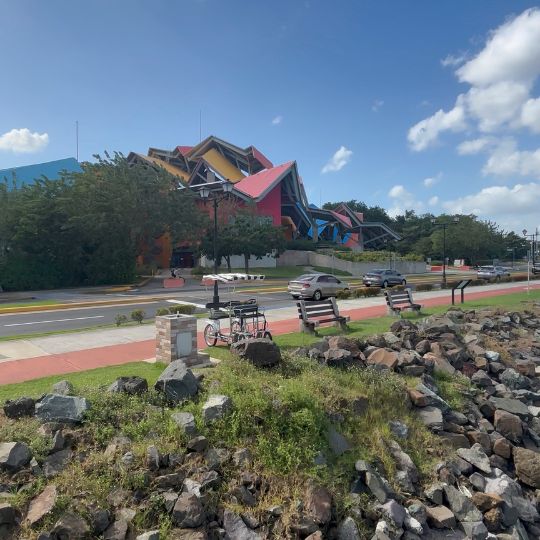
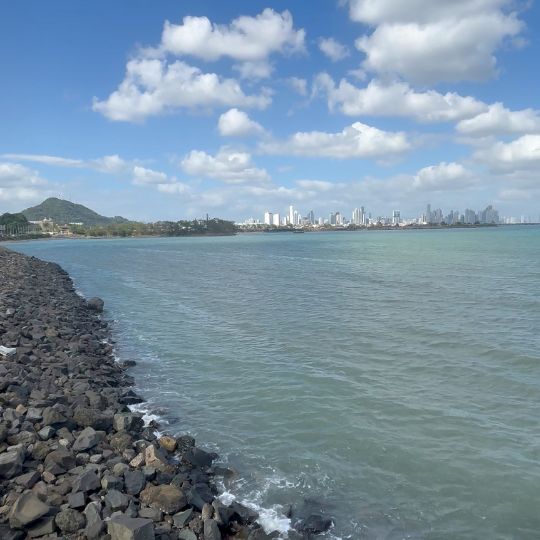
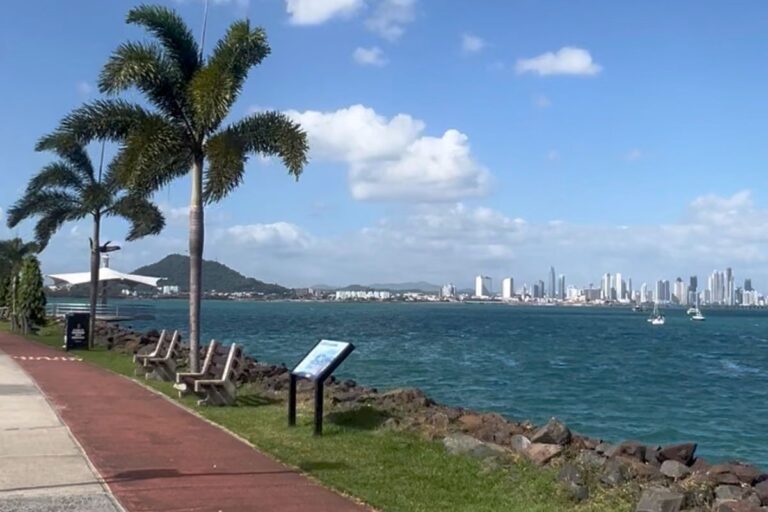
Renting a covered pedal bike along the Amador Causeway turned a simple waterfront walk into one of the most memorable afternoons of the trip, combining skyline views, ocean breezes, and a surprisingly fun way to explore Panama City.
Cycling the Amador Causeway Became an Unexpected Highlight
After leaving the canal, we made our way to the Amador Causeway.
Originally, we planned to simply walk along the waterfront. Instead, we rented one of the covered pedal bikes.
It turned out to be one of the funniest parts of the trip.
Steering wasn’t exactly our strength, inclines required far more effort than expected, and we spent most of the ride laughing at ourselves. But the views back toward the Panama City skyline were incredible, especially with the breeze coming off the water.
Sometimes the activities you never planned become the ones you remember most.
Eating at Panama City’s Seafood Market
Lunch at the Mercado de Mariscos, Panama City’s seafood market, introduced me to what quickly became my favorite meal of the trip: fresh fish served with rice and black beans. It was simple, affordable and exactly what I wanted after a morning exploring.
With Panama City sitting on the Pacific and the country stretching between two coastlines, seafood is a natural part of the food scene. The market brings that connection into focus, with vendors selling fish and shellfish alongside places where you can sit down for a meal. Corvina, snapper, shrimp and octopus are among the seafood available here.
If you’re deciding what to order, ceviche is one of the market’s best-known specialties. You’ll also find fried fish with patacones, flattened fried green plantains, and dishes such as guacho de mariscos, a thick, soupy seafood rice dish. There’s enough variety to make the market a proper lunch stop rather than somewhere you only pass through for photos.
My own order wasn’t particularly elaborate, but that was part of the appeal. Over the following week, I kept choosing some variation of fish, rice and beans whenever it appeared on a menu.
After our rooftop dinner in Casco Viejo, the market was a useful reminder that the meal I most wanted to repeat didn’t need to come with a skyline view.
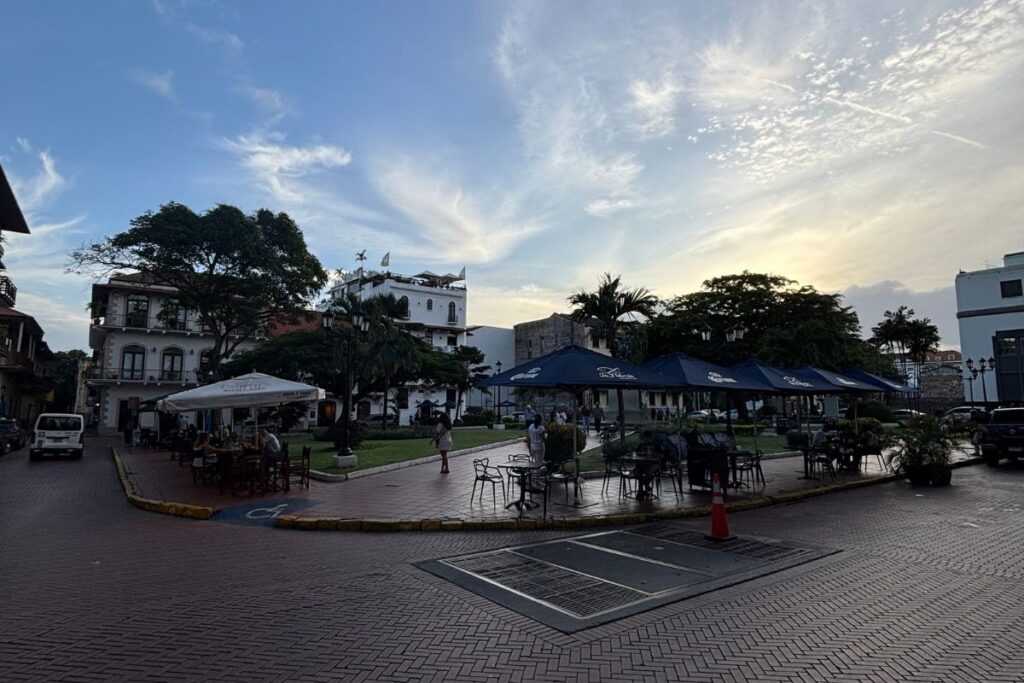
Watching the sun set over Casco Viejo before our catamaran cruise was the perfect way to end our time in Panama City. What almost became a missed excursion ended up being one of the most memorable evenings of the entire trip.
A Sunset Catamaran Cruise Worth the Rush to Get There
Our final evening almost ended in disaster.
Panama City’s rush hour traffic is no joke. We sat in an Uber watching the minutes tick by while messaging the boat company on WhatsApp, convinced we were going to miss our sunset catamaran cruise.
Eventually, we did.
Or so we thought.
The crew asked us to wait at the dock while they checked whether a smaller speedboat could bring us out to the catamaran. A few minutes later, we got the signal.
We jumped aboard a tiny speedboat that tore across the bay, bouncing over waves and spraying water everywhere as it raced to catch the larger boat.
By the time we climbed aboard the catamaran, we were completely soaked, but neither of us could stop smiling. What had started as a stressful rush through traffic had suddenly become one of the most unexpectedly fun moments of the entire trip.
As the adrenaline wore off, we dried off, grabbed a drink, stretched out on the catamaran’s front nets, and watched the sun disappear behind the Panama City skyline.
I can’t imagine a better way to end our time in Panama.
Panama City Deserved More Than a Stopover
I arrived expecting Panama City to be a convenient introduction to Central America before continuing to Costa Rica. Three days later, I was already thinking about returning.
What stayed with me wasn’t just the canal. It was wandering through Casco Viejo after our walking tour, laughing our way along the Amador Causeway on a pedal bike, and watching the skyline from the catamaran after our unexpectedly dramatic arrival. We’d planned a stopover and ended up with a trip that felt worthwhile on its own.
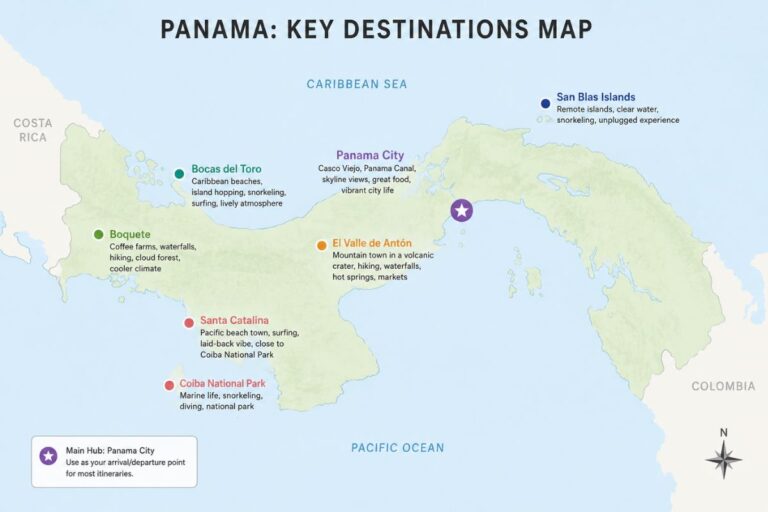
Three days gave us a satisfying introduction without making me feel like we’d exhausted the city. It also made me curious about the Panama beyond it, including the islands, beaches and mountain towns we hadn’t included.
If you’re considering a few days here, I wouldn’t treat them as time to fill between flights. Choose the experiences that interest you, leave room to explore, and give the city a proper place in your itinerary.
Next time, I’ll start by planning a trip to Panama rather than finding a reason to pass through it.
Explore Central America
- If I Went Back to Panama, Here’s How I’d Plan My Trip: See what I’d add beyond our three days in the capital and how I’d approach a longer visit.
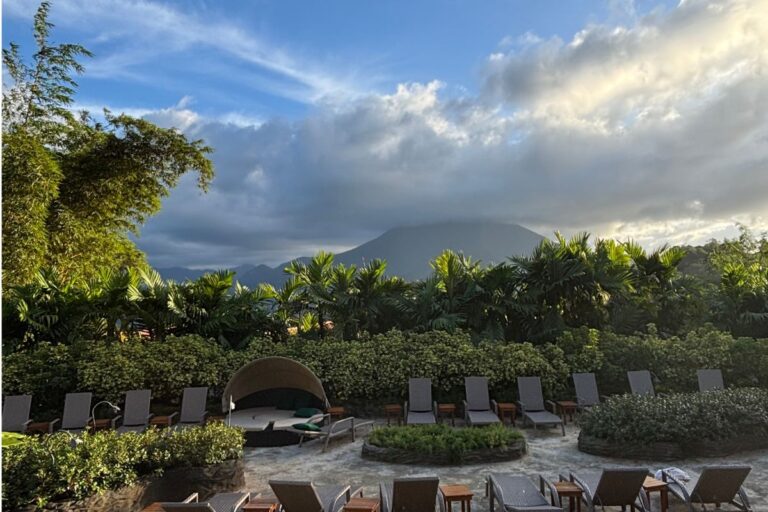
- My First Week in Costa Rica: Continue into the rainforests, volcanoes and landscapes that followed our Panama stop.
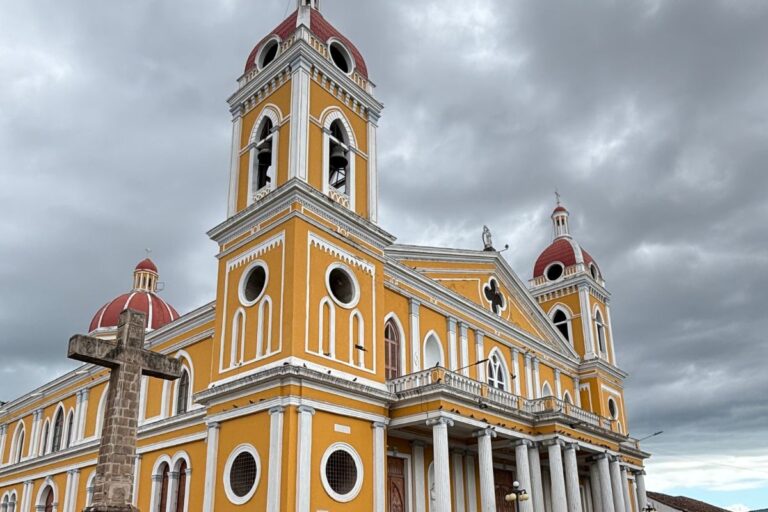
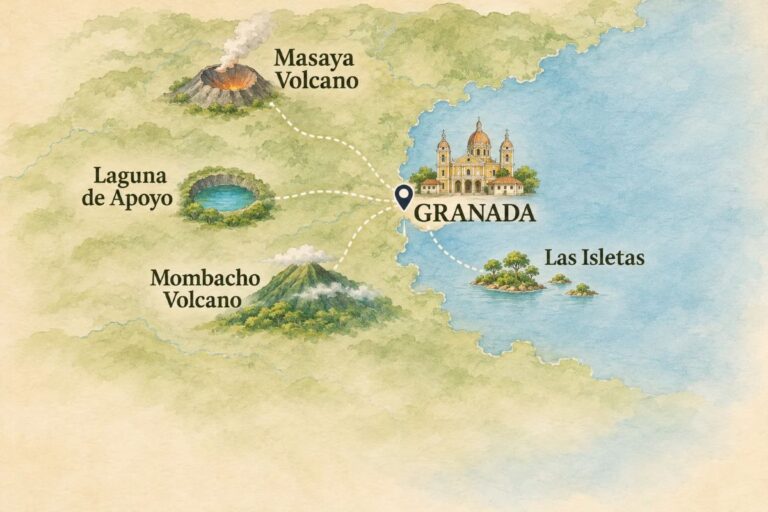
- Granada: Why It Was the Perfect Base for Exploring Nicaragua: Compare Panama City with another base that made exploring its surrounding region easier.
- 5 Days in El Salvador: Discover another short itinerary that gave me more reasons to return to Central America.
More Travel Ideas
- The Travel Planning Process I Wish I’d Learned Years Ago: Turn a promising stopover into an itinerary that gives the destination enough time.
- Why I Almost Never Book Roundtrip Flights: Consider different arrival and departure airports when Panama is one part of a larger journey.