One-Way vs. Roundtrip Flights: Why I Often Book Separately
For years, I assumed booking a roundtrip flight was simply how travel worked. Pick your destination, choose your return date, and call it a day. Now, whether I’m paying cash or redeeming points, I usually compare each direction separately before deciding how to book.
The differences are straightforward: a one-way ticket covers travel in one direction, while a roundtrip ticket includes your outbound and return journeys. A multi-city booking lets you combine different routes, such as flying into Madrid and home from Barcelona, without returning to your original arrival city.
That last distinction matters. You don’t need separate one-way tickets to avoid backtracking. A multi-city booking may work well, but separate tickets let me choose different airlines, use points in one direction and cash in the other, or prioritize a better schedule for the journey home.
One-way flights aren’t automatically cheaper, and I still compare the total with roundtrip and multi-city options. But even if you take only one vacation each year, considering those alternatives can help you build the flights around your trip, rather than shape the itinerary around returning to the same airport.
Booking One-Way Flights: At a Glance
Why I do it: Separate bookings let me choose different airlines, airports, cabins, or payment methods for each direction.
Most useful for: Trips that finish somewhere different from where they begin, or when cash and award options favor different flights.
What I compare: Two one-way tickets, a roundtrip, and a multi-city booking. Flying into one city and home from another doesn’t automatically require separate tickets.
Count the whole journey: Include positioning, backtracking, trains, hotels, and time spent getting home.
Before booking only the outbound: Check your return options and any onward-travel requirements.
My rule: Choose the arrangement that fits the trip. One-way tickets offer flexibility, but they aren’t always cheaper.
Fly Into One City and Home From Another Without Backtracking
Many of my trips aren’t circular, whether I’m traveling solo or with family. The route depends on the trip I want to take, not who’s coming with me.
For our family trip to Spain, we arrived in Madrid and flew home from Barcelona. A high-speed train connected the two cities, so we could enjoy both without adding another flight or returning to Madrid just to leave the country. Flying home from our final destination kept the itinerary straightforward.
My solo Central Europe trip worked on a much larger scale: five weeks across six countries, beginning in Warsaw and finishing in Amsterdam. Along the way, I traveled through Poland, Slovakia, Slovenia, Croatia, and Bosnia & Herzegovina before the final stretch in the Netherlands. Returning to Warsaw would have meant another journey simply to reach an airport, taking time and money away from the places I wanted to experience.
Separate one-way tickets let me choose flights around that route. A multi-city booking would also have been worth comparing, but returning from a different city was the important part. It allowed the trip to move forward without a final detour back to where I’d started.
London has served a similar purpose on other trips. Some visits were about London itself, while others used it as a gateway before continuing to Germany with my family, Italy with my sister, or Paris to visit friends. I’m happy to consider an arrival airport beyond my main destination when the flight options and onward journey make sense together.
Whether it’s two cities in Spain or five weeks across several countries, I’d map out the route before assuming my arrival airport should also be my departure airport.
Different Award Options Can Make Each Direction a Separate Decision
When I’m using points, the best option for getting somewhere isn’t necessarily the best option for coming home. One program might offer seats in the cabin I want on the outbound, while another has better availability, dates, or redemption prices for the return.
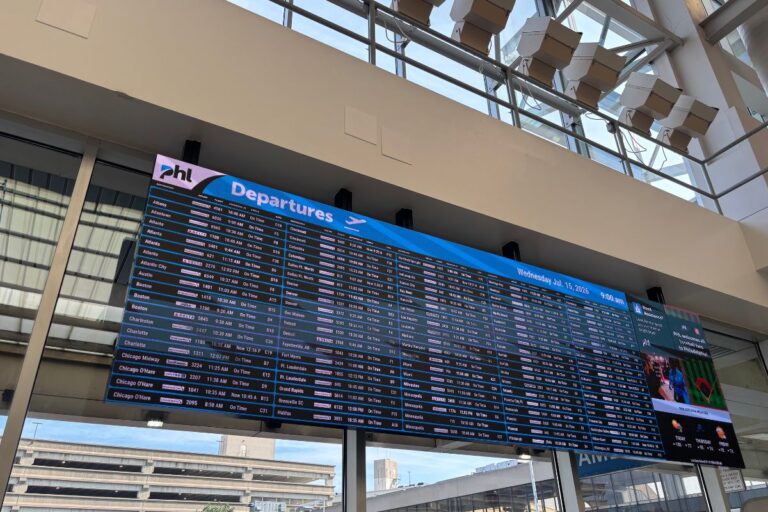
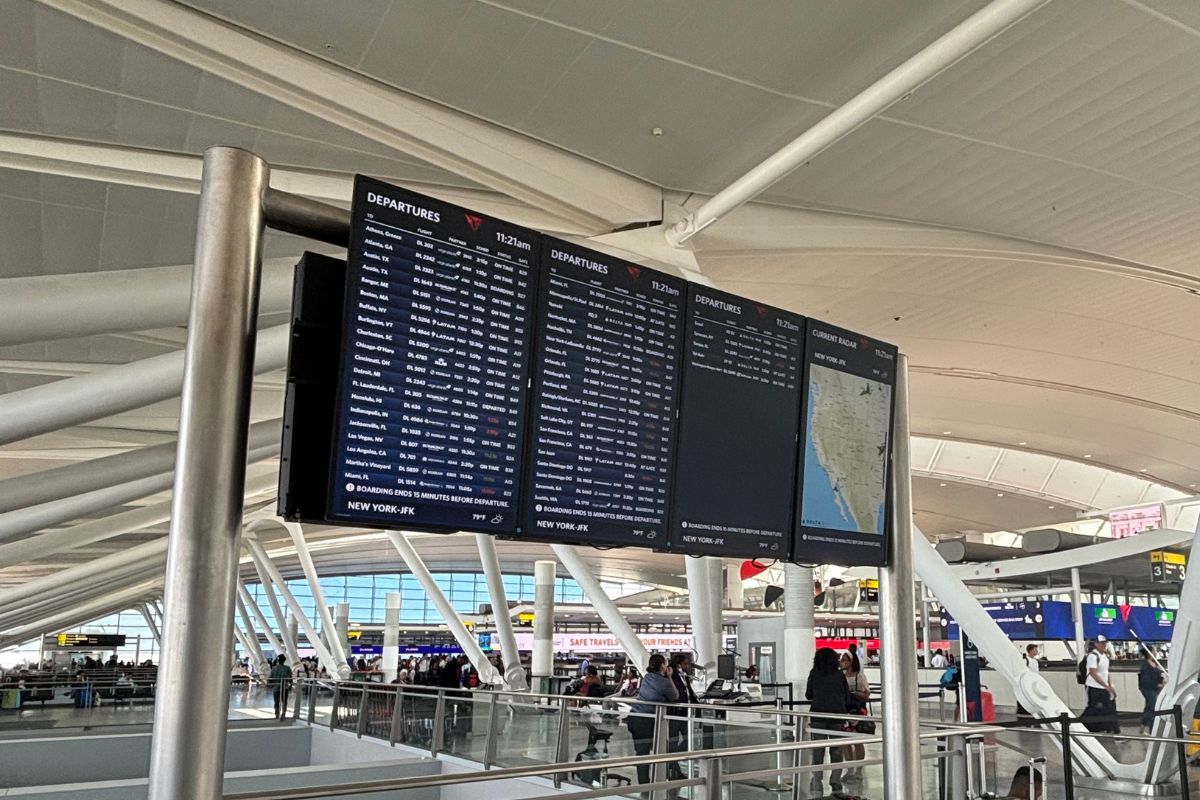
The airports can differ, too. I might find an appealing outbound award from New York but a return that brings me directly home to Philadelphia. I don’t need the same airline, loyalty program, or departure and arrival airport to make both directions work.
Sometimes that means using miles from two different programs. Other times, I’ll redeem points for one direction and pay cash for the other if the fare makes more sense. Searching each direction separately helps me see those combinations, rather than dismiss a useful outbound because the return options through the same program don’t fit.
Book One Direction First, With a Plan for the Other
When I find an outbound award that fits my plans, I don’t always wait until I’ve found the return before booking. Especially when planning far ahead, I’m comfortable putting the trip together in stages, securing one direction while continuing to research the other.
Sometimes that works beautifully; sometimes the remaining options don’t come together as I’d hoped. Flexibility matters, whether that means adjusting dates, considering another airport, choosing a different cabin, or paying cash for one direction.
One advantage of award bookings is that, depending on the program’s rules, canceling and redepositing the miles can be relatively straightforward. I’d check the fees, deadlines, and treatment of taxes before relying on that flexibility. Being able to cancel gives me options, but it doesn’t guarantee a better replacement ticket.
I’d also look at realistic return options before committing to the outbound, even if I wasn’t ready to book them. Any proof-of-onward-travel requirements would need to be resolved before departure. I don’t need every piece booked at once, but I do want a workable plan for completing the trip.
Why I’ll Position for the Outbound but Pay More for an Easier Return
I don’t expect my outbound and return journeys to accomplish the same thing. When I’m leaving, I’m willing to put in extra effort for a flight that better fits my plans.
Living in Philadelphia, that might mean taking Amtrak to New York or Washington for better award availability or a nonstop flight I couldn’t find from home. That’s positioning: traveling to another airport to begin the main journey. At the start of a trip, it can still feel like part of the adventure.
Coming home, my priorities change. After days or weeks of walking, navigating airports, and dragging luggage across cobblestones, I’m more willing to pay for the simplest route. Sometimes that means a nonstop to Philadelphia; other times, it means keeping connecting flights on one ticket rather than piecing together separate bookings.
Helping my cousin plan her family’s first Europe trip reinforced that point. Their route starts in London, continues by Eurostar to Paris, includes Disneyland Paris, and finishes with a flight home from Paris.
A roundtrip to London initially looked cheaper, but that comparison left out getting everyone back there. Once we considered the Eurostar tickets, extra travel time, and logistics with three children, the savings were roughly $100 per ticket. For their family, flying home from Paris was worth the difference.
I compare what it takes to get all the way home, not just the airfare. Whether I ultimately book separate one-ways or a multi-city ticket, evaluating each direction independently helps me decide where extra effort is worthwhile and where convenience deserves a place in the budget.
Are Two One-Way Flights Cheaper Than a Roundtrip?
Sometimes, but I wouldn’t assume so, especially when paying cash for international flights. I’d compare the total for both one-ways with roundtrip and multi-city options before booking either direction.
Then I’d look at costs beyond the airfare. Would returning to the same airport require another train, a hotel night, or hours of backtracking? As my cousin’s London–Paris trip showed, those expenses can narrow an apparent saving.
If separate tickets still cost more, I’d ask whether their flexibility or schedules justified the difference. Sometimes they do; other times, the roundtrip is simply better value.
When a Roundtrip Ticket Makes More Sense
If I’m visiting one destination and returning from the same place, a roundtrip may give me everything I need. I’d be particularly inclined to book one for:
- A weekend or single-city trip with straightforward dates.
- A sale that offers substantial savings over separate tickets.
- An itinerary that naturally brings me back to my arrival airport.
I’m happy to book roundtrip when the price, schedule, and route fit. Comparing alternatives gives me more options, but it doesn’t mean I need to choose the more complicated one.
Compare the Whole Journey Before Choosing How to Book
Instead of starting with “What’s the cheapest roundtrip flight?” I now ask, “What’s the best way to build this trip?”
That question has helped me avoid backtracking, combine cash with points, and recognize when an easier journey home is worth paying for. Considering each direction separately gives me room to make those choices, even if I ultimately book everything on one ticket.
You don’t need a five-country itinerary or a large points balance to benefit from comparing the options. Start with where you want to go, where the trip will finish, and how you want to get home. Then choose the booking arrangement that makes those plans work.
Continue Exploring Travel Planning & Points
- The Middle Ground Between Cash Travel and Travel Hacking: How I decide when to redeem points and when to pay cash, including using different approaches within the same trip.
- The Travel Planning Process I Wish I’d Learned Years Ago: Connect your flight choices with the destinations, transportation, and priorities that shape the rest of your itinerary.
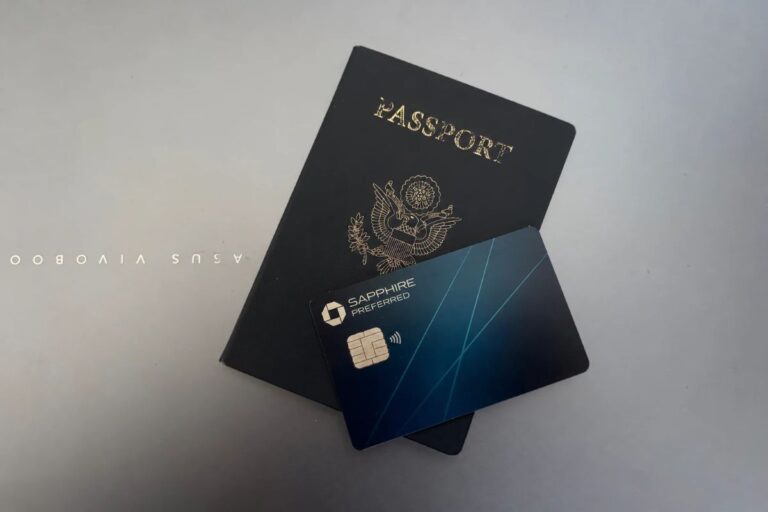
- Is Chase Sapphire Preferred a Good First Travel Card?: See how transferable points supported our family’s flights into Madrid and home from Barcelona.
- Using Points for Hotels Instead of Flights in Egypt and Jordan: Another example of building the rewards strategy around the trip, including when paying cash for flights made more sense.
Want Help Choosing the Right Flights for Your Trip?
The lowest airfare doesn’t always create the best itinerary. Different arrival and departure cities, positioning flights, and cash-versus-points decisions can change both the cost and how much travel you fit around your vacation.
In a Points & Flight Strategy Session, we’ll work through your options around your destinations, budget, available rewards, and preference for convenience. The goal is a booking strategy you understand and feel comfortable using.