Dubrovnik: Worth the Hype?
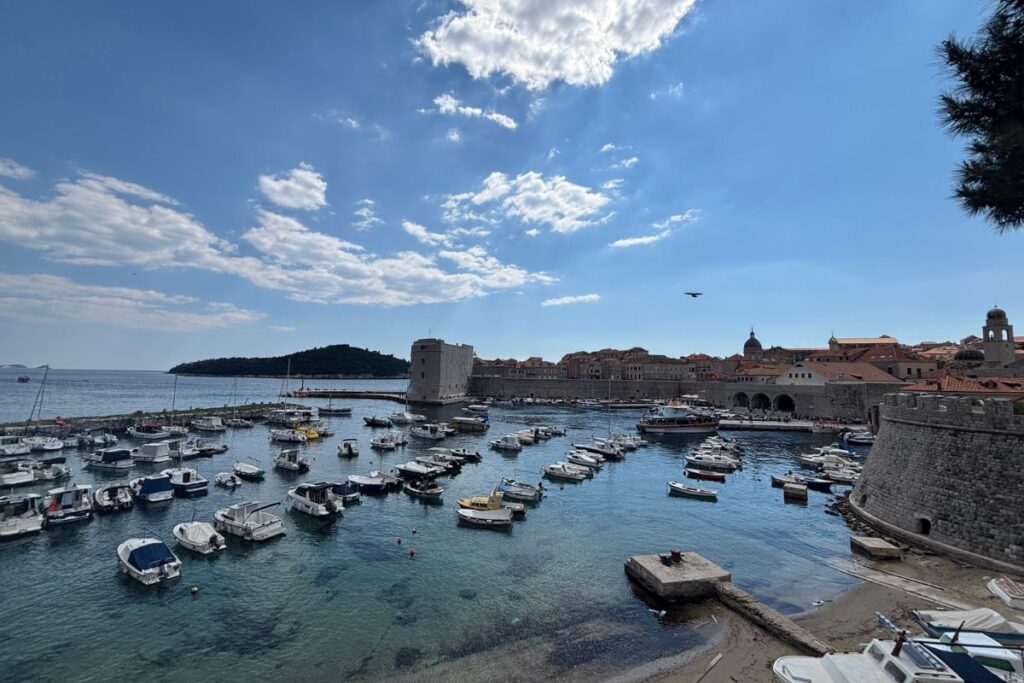
This is part of my Central Europe series. If you’re coming from Bosnia and Herzegovina, start with Mostar: Bosnia’s Bridge Between Worlds.
By the time I arrived in Dubrovnik, I had already completed the eighth transportation leg of this Central Europe adventure: two trains, six buses, and more historic centers than I could count. And somehow, one of the destinations I was most curious about still remained.
Of all the places on this trip, Dubrovnik required the least introduction. I had seen the photos—the stone walls, terracotta rooftops, and Adriatic Sea stretching into the distance.
Like many travelers, I wondered whether Dubrovnik could possibly live up to the expectations created by years of glowing reviews, social media posts, and travel guides.
A few hours after leaving Mostar, I was about to find out for myself.
Arriving Inside the Walls
Unlike Zagreb, Split, or Mostar, arriving in Dubrovnik felt cinematic from the very beginning.
As my Uber approached the city, the famous stone walls gradually came into view.
I knew my hotel was located inside the Old Town and that vehicles weren’t allowed within the walled city itself, but knowing that and experiencing it are two different things.
The driver dropped me off outside Pile Gate, Dubrovnik’s historic main entrance, and from there I wheeled my suitcase across the stone bridge and through the gate.
For a moment, it felt less like checking into a hotel and more like entering a medieval city.
A few minutes later, I arrived at Rooms Tezoro, located directly within Dubrovnik’s Old Town.
Travel Breakdown Reality Check
Trip Goal: Experience one of Croatia’s most famous destinations while keeping costs reasonable and maximizing a short stay.
- Sticker Price: $172 total for 2 nights
- Out-of-Pocket: $91
- Travel Hack Used: $81 Remaining Bilt Travel Credit
Reality Check:
Would I normally prioritize location over almost everything else? In Dubrovnik, absolutely.
If you’re only spending one or two nights in Dubrovnik, I would strongly consider paying extra to stay within the walls. Being able to step outside and immediately find myself inside the Old Town amplified the experience considerably. It also made early morning visits to the city walls feel effortless rather than something that required planning.
My room was perfectly adequate for a solo traveler, though it would have felt a bit tight for two people. I’d also encourage future visitors to read reviews regarding noise. Rooms Tezoro sits directly across from the restaurant of the same name, and the sounds of diners enjoying outdoor meals in the evening can carry into some rooms.
For less than $100 out of pocket, however, it felt like an excellent use of my remaining Bilt travel credit.
Sometimes convenience is the travel hack.
Explore Rooms Tezoro and check current rates →
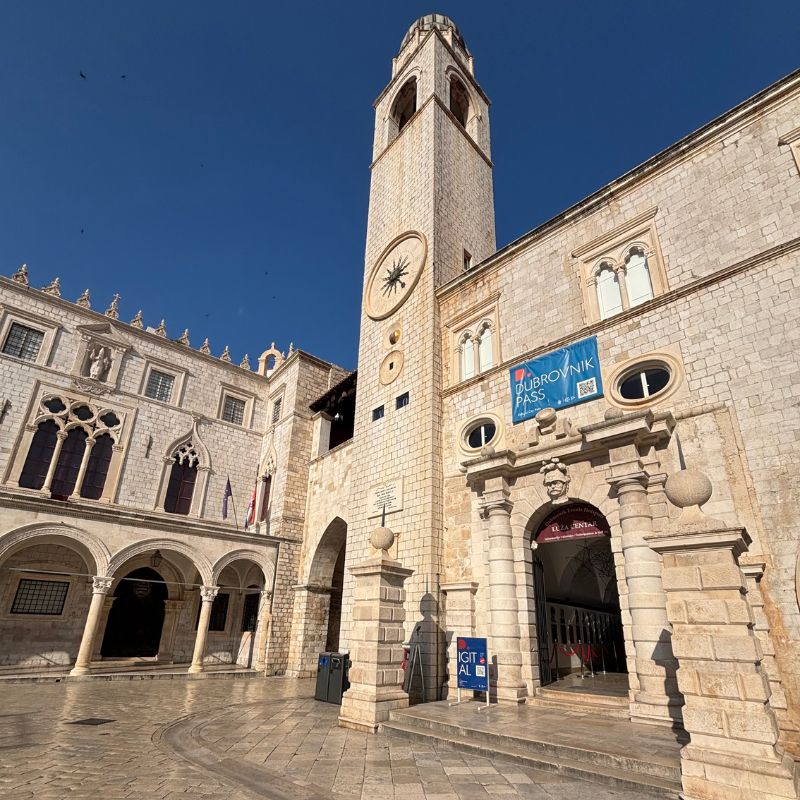
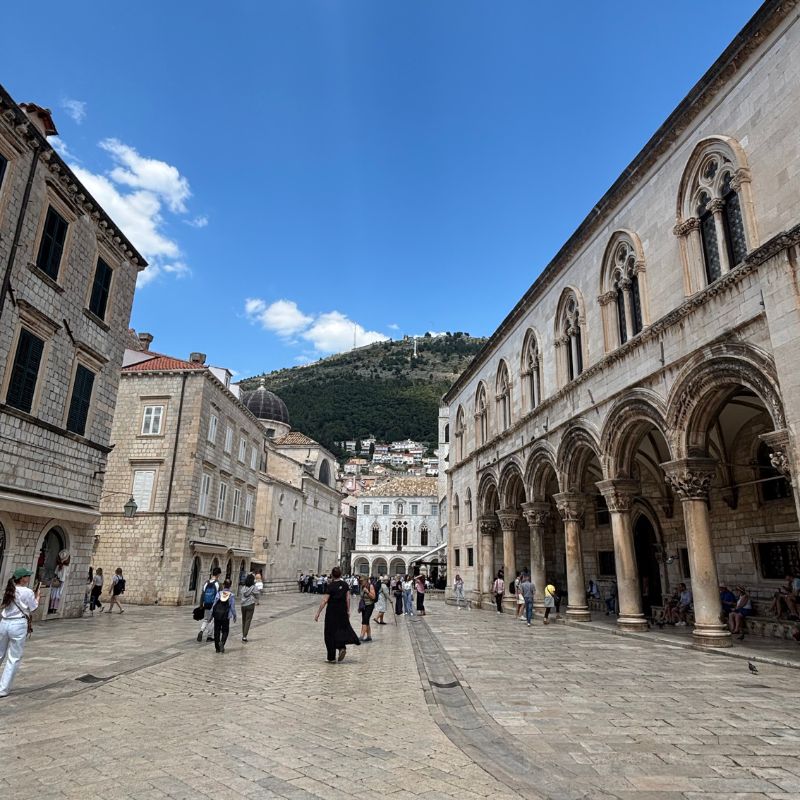
The Dubrovnik Pass covers more than just the city walls. I used it to explore several historic sites around the Old Town that I might otherwise have walked right past.
The Dubrovnik Pass
Walking the city walls was the one thing I knew I wanted to do in Dubrovnik. Everything else was a bonus, which made purchasing the Dubrovnik Pass an easy decision.
The pass included access to the city walls along with several museums and historic attractions throughout the city. Had those museums not been included, I’m not sure I would have paid for them separately. But since they were part of the pass, I found myself exploring places I otherwise might have skipped.
That included the Maritime Museum, where exhibits tell the story of Dubrovnik’s long relationship with trade, seafaring, and the Adriatic. It turned out to be a pleasant surprise and added additional context to a city whose fortunes were built on the sea.
Walking the Walls
The city walls were every bit as impressive as I had hoped.
And yes, they’re worth the hype.
Construction of Dubrovnik’s walls began as early as the 8th century and continued to evolve over hundreds of years. Their purpose was simple: protect the independent Republic of Ragusa from invasion. Over time, the walls grew into one of the most sophisticated defensive systems in the Mediterranean.
Today, the threats are gone, but the walls remain. Instead of soldiers, they now host visitors from around the world who come to admire the same views that defenders once used to spot approaching ships.
What surprised me most wasn’t the scale of the walls. It was how often I found myself stopping.
Every few minutes another viewpoint appeared. The terracotta rooftops looked slightly different, the Adriatic shimmered from another angle, a church bell tower emerged above the skyline, or a narrow alleyway disappeared between centuries-old buildings.
Objectively, many of the views were variations of the same scene. Yet somehow each one felt worth photographing. By the end, my camera roll was filled with dozens of photos that looked remarkably similar.
And I regret none of them.
The walk itself takes roughly one to two hours depending on how often you stop.
I stopped constantly.
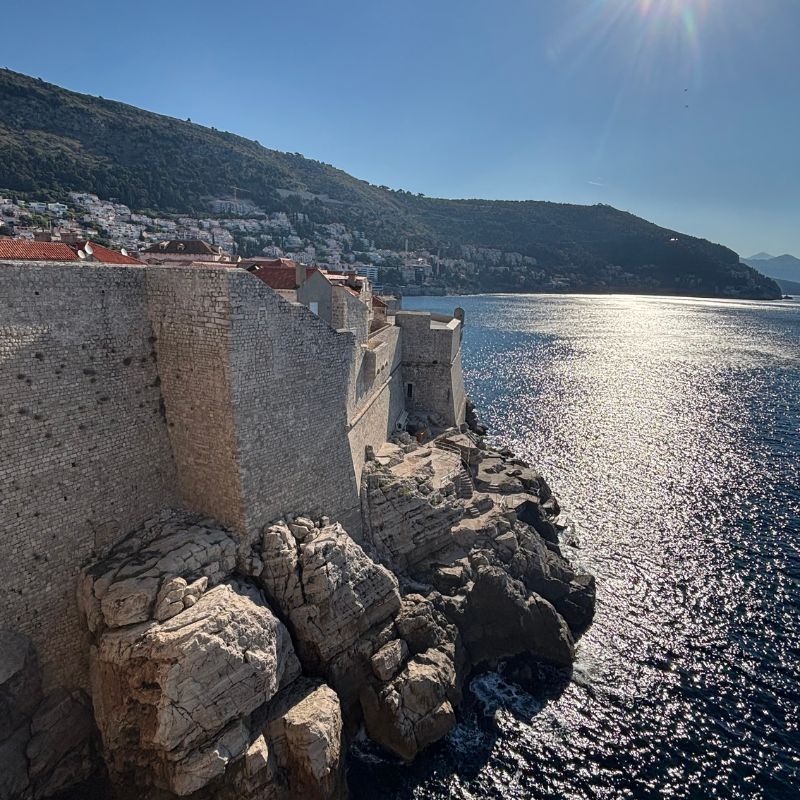
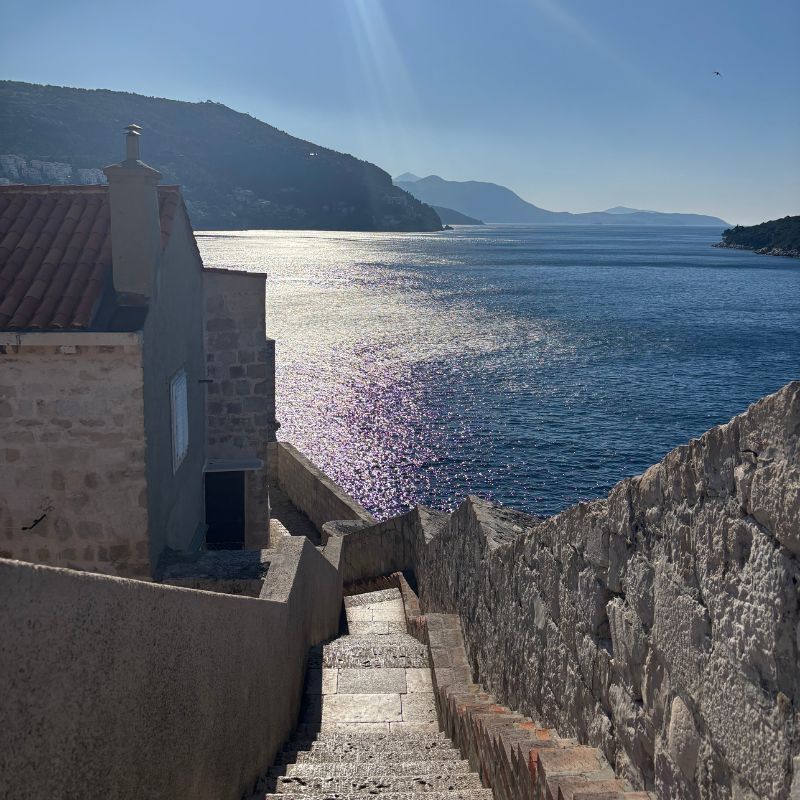
Walking Dubrovnik’s walls is as much about the Adriatic as the Old Town. Around seemingly every corner, another staircase or stretch of stone opened onto a different view of the sea.
Dubrovnik Feels Different
Just as Kraków represented a noticeable jump in tourism compared to some of the earlier stops on this trip, Dubrovnik felt different from Zagreb and Split. Those cities felt like places where people happened to live. Dubrovnik immediately felt like a destination where people came on holiday.
Souvenir shops lined many of the main streets, restaurant menus reflected the city’s popularity, and prices were noticeably higher than in some of the other destinations I had visited on this trip. Whenever I wandered toward the harbor, I found myself stopping to look at the various excursion agencies showcasing everything from sunset cruises to full-day island-hopping adventures.
It was a reminder that for many visitors, Dubrovnik isn’t just a city destination. It’s also a gateway to the surrounding islands and coastline.
Yet I found myself caring far less about the touristy aspects than I expected. Maybe it was the atmosphere, the beauty of the city itself, or simply because I knew exactly what I was signing up for.
When a destination repeatedly gets described as crowded, touristy, and expensive, my expectations naturally adjust. If anything, Dubrovnik benefited from that lower bar. I arrived prepared to tolerate the crowds in exchange for beautiful scenery. Instead, I found the crowds manageable and the scenery even better than expected.
Of course, visiting in April likely played a significant role. At several points during the day, I found myself wondering how different my opinion might have been had I visited during peak summer. Looking at the narrow streets of the Old Town, it wasn’t difficult to imagine how quickly the experience could change once cruise ships and summer tourism reached their peak.
But during my visit, Dubrovnik felt lively rather than overwhelming.
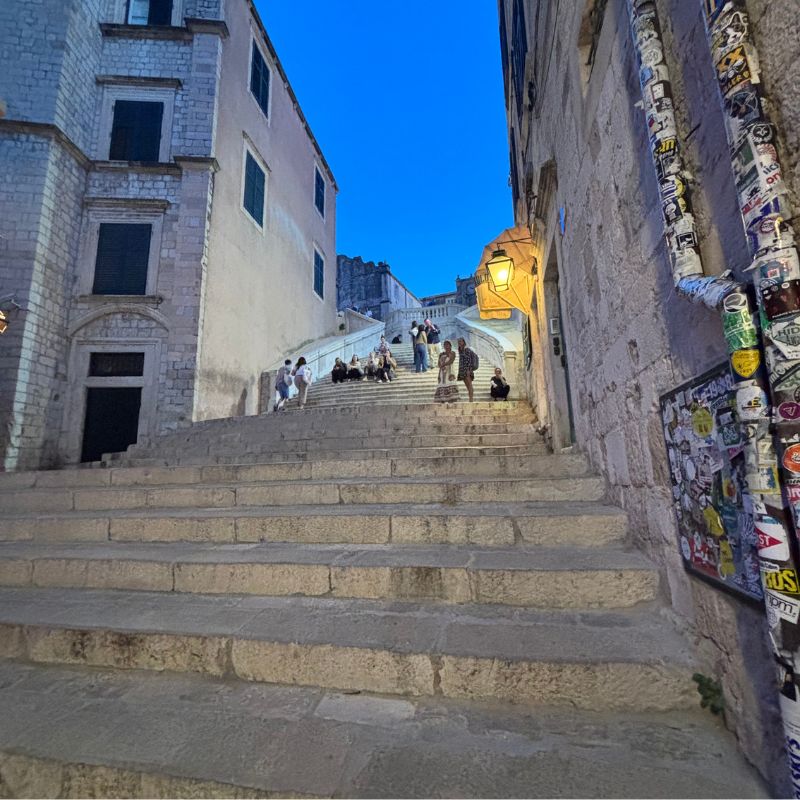
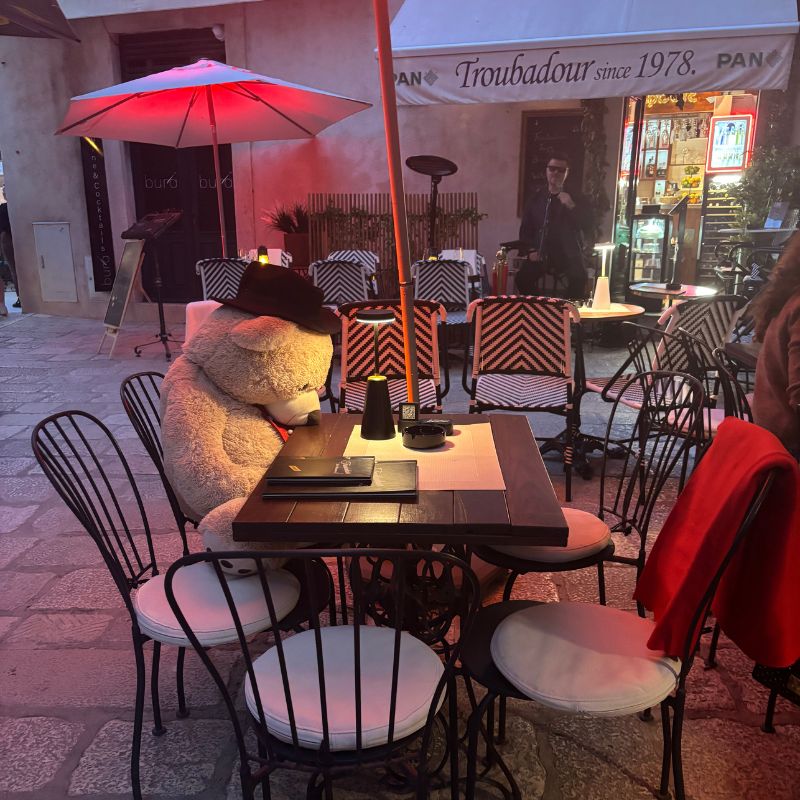
Step away from Dubrovnik’s main streets and the Old Town quickly changes. Steep stone staircases lead to quieter corners, tucked-away restaurants, and the kind of places you only find by wandering.
Beyond the Main Streets
One thing I quickly learned is that Dubrovnik rewards curiosity.
If you stick to the main thoroughfares running through the Old Town, it’s easy to conclude that Dubrovnik exists primarily for tourists. But start wandering. Climb a staircase, duck down a side alley, or take a turn simply because it looks interesting.
Soon, the crowds thin out. Laundry hangs from windows, cats nap in quiet corners, and residents go about their day. Occasionally, you’ll stumble upon a beautiful viewpoint or a restaurant tucked away from the busiest streets.
Some of my favorite moments in Dubrovnik came from simply getting lost inside the walls.
What I’d Explore Next Time
While I left satisfied with my visit, Dubrovnik also made me realize how much more there is to explore beyond the Old Town. A few places I’d consider building into a future trip include:
- Lokrum Island: Just a short ferry ride away, with botanical gardens, walking trails, swimming spots, and a quieter escape from the Old Town.
- Cavtat: A coastal town south of Dubrovnik that could make an easy addition to a longer stay in the region.
- Elafiti Islands: An island chain known for beaches, small villages, and relaxed coastal scenery.
- Mount Srđ: I skipped the cable car on this trip, but I’d consider it next time for the panoramic views overlooking Dubrovnik.
- More time along the coast: This trip reinforced that Dubrovnik can work as much more than a city break, and I’d love to spend more time exploring the surrounding beaches and coastline.
Now that I’ve experienced the Old Town and walked the walls, I’d feel much more comfortable dedicating a future visit to everything surrounding them. Dubrovnik gave me enough in one visit to leave satisfied, and enough I didn’t see to give me a reason to come back.
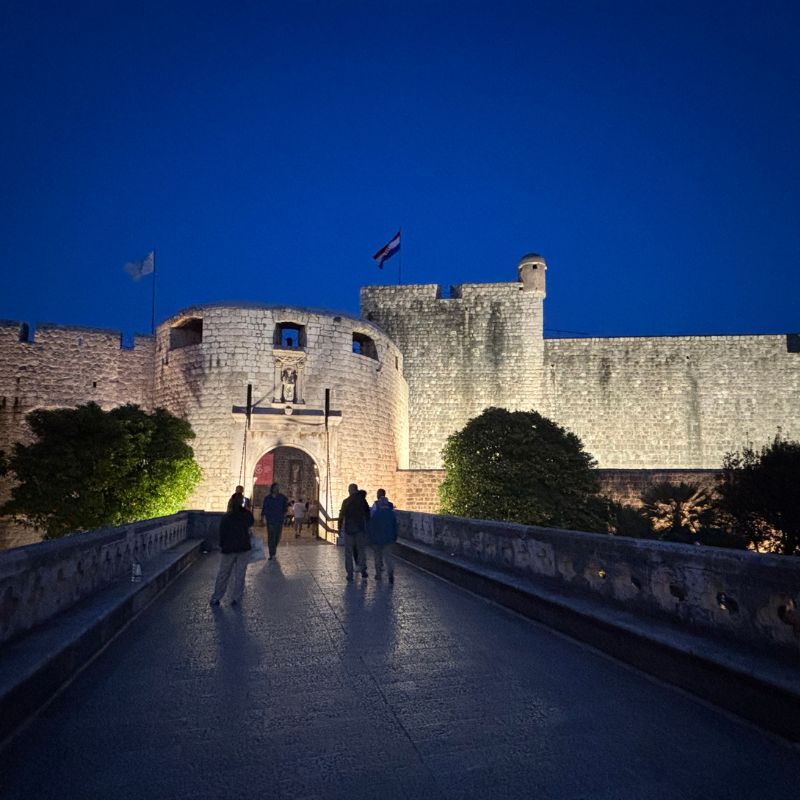
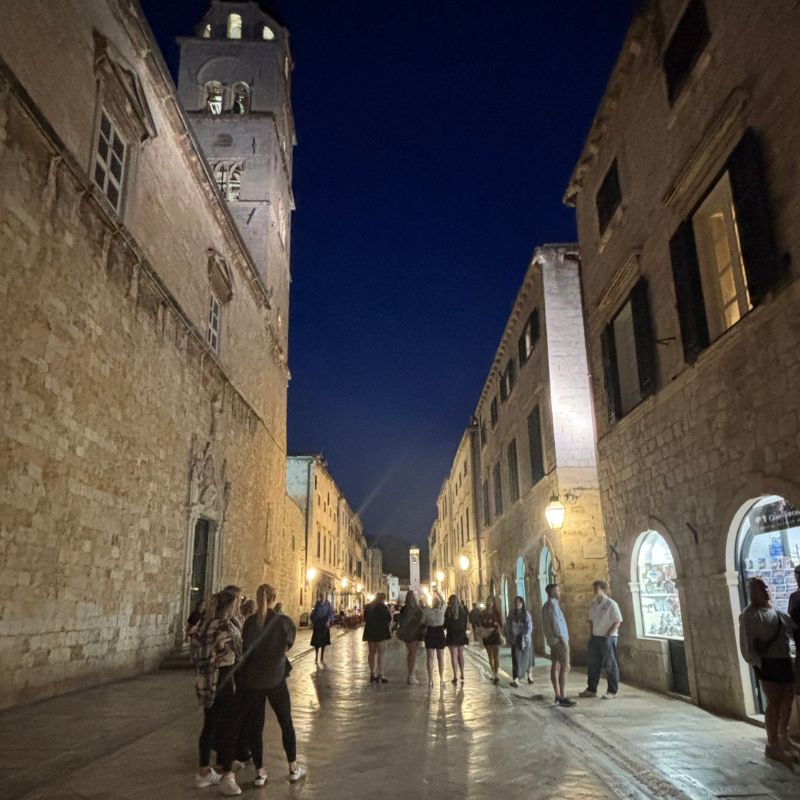
Dubrovnik takes on a completely different atmosphere after dark. Once the day-trippers begin to leave, the illuminated walls and stone streets were one more reason I was glad I stayed inside the Old Town.
Final Thoughts
Dubrovnik is one of those rare destinations that is famous for a reason. Yes, it’s touristy. Yes, it’s more expensive than many other places in the Balkans. And yes, I can absolutely understand why visiting during peak summer might produce a very different experience.
But visiting in April allowed me to experience the city in a way that felt enjoyable rather than overwhelming. The walls were worth it. The views were worth it. And the city itself was worth it.
I finally understood why Dubrovnik appears on so many travel wish lists.
The following morning, I boarded an early flight to Amsterdam, bringing my Central Europe adventure to an end. Looking back, Dubrovnik was a fitting final stop.
Some destinations on this trip surprised me, while others challenged my expectations. Dubrovnik did something different: it delivered exactly what it promised. Beautiful city walls, stunning Adriatic views, historic streets worth getting lost in, and just enough time to leave me curious about everything beyond the Old Town.
After eight transportation legs, countless walks through historic centers, and more border crossings than I care to count, Dubrovnik felt like the perfect place to bring the overland portion of this journey to a close.
Finish the Series
What I Learned After Two Weeks in Central Europe — I look back on the entire journey, including what surprised me most, what points and travel credits helped make the trip possible, and which countries I’d give far more time if I were planning it again.