Why I Stopped Rushing Through Lima
Peru doesn’t exactly make it easy to give more time to Lima.
This is a country where you’re choosing between Machu Picchu and the Sacred Valley, the white-stone streets of Arequipa, the desert around Huacachina, the wildlife and coastline of Paracas, the Amazon, and countless places I still haven’t made it to myself.
Of course you’re excited to see them. I am too.
But somewhere along the way, Lima often becomes the place you pass through on the way to the Peru you actually came to see, and for years, I treated it exactly the same way.
Even as someone who has visited Lima repeatedly—and has family here—I’ve often been the person telling friends they only need about a day in Peru’s capital before continuing on to Cusco or somewhere else.
It wasn’t because I disliked Lima. I’ve always enjoyed coming back, eating my favorite foods, walking along the coast, and revisiting places I already knew. I just didn’t think there was that much more to see.
On one trip a couple of years ago, I stayed in Miraflores and had three full days in the city. By the third day, I remember genuinely wondering, What else are we going to do?
Looking back now, that’s almost funny, because after my most recent trip, I don’t think I had run out of things to do in Lima at all.
I’d run out of the version of Lima I knew how to explore.
A Different Way to Experience Lima
What changed my mind: Visiting familiar neighborhoods with more curiosity, rather than searching for another major attraction.
How I’d approach a day: Choose one area and explore it more fully instead of repeatedly crossing the city.
What I’d leave room for: Small museums, side streets, an unhurried lunch, and time beyond the landmark I came to see.
Places that rewarded more attention: Barranco, the Historic Center, Barrio Chino, and the Malecón.
My takeaway: You don’t need a week in Lima to appreciate it. Even a short stay feels different when you stop treating it as time between other destinations.
I Had Already Given Lima More Time
That’s the part that makes my change of opinion interesting to me: I can’t blame it entirely on rushing.
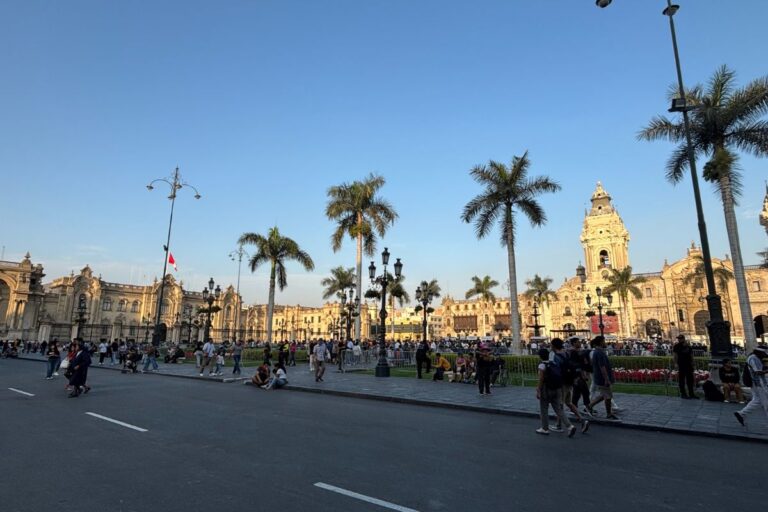
I’d already spent multiple days in Lima. I’d stayed in Miraflores, walked the Malecón, visited Plaza Mayor, explored some of the city’s major attractions, eaten extremely well, and ventured beyond my hotel neighborhood. And yet I still reached a point where Lima felt finished.
Part of the problem was that I approached the city as a collection of things I was supposed to see. Once I’d checked off the places I knew about, I didn’t really know what came next.
Lima doesn’t make that next step particularly obvious.
In some destinations, you can walk out of one attraction and practically stumble into the next. The historic center becomes the itinerary: you follow an interesting street, find another plaza, stop at a café, and somehow an entire day fills itself.
Lima has never felt that way to me.
The Historic Center is miles from Miraflores, and while Barranco sits right beside it, other places worth visiting are scattered across an enormous city. Traffic makes even relatively simple journeys something you have to think about, and there isn’t one compact tourist center where wandering for a few hours will show you most of what you came to see.
So I kept returning to the parts of Lima I already understood, and because I was experiencing the city through that same familiar lens, I mistook familiarity for having seen enough.
That is what finally changed on this trip.
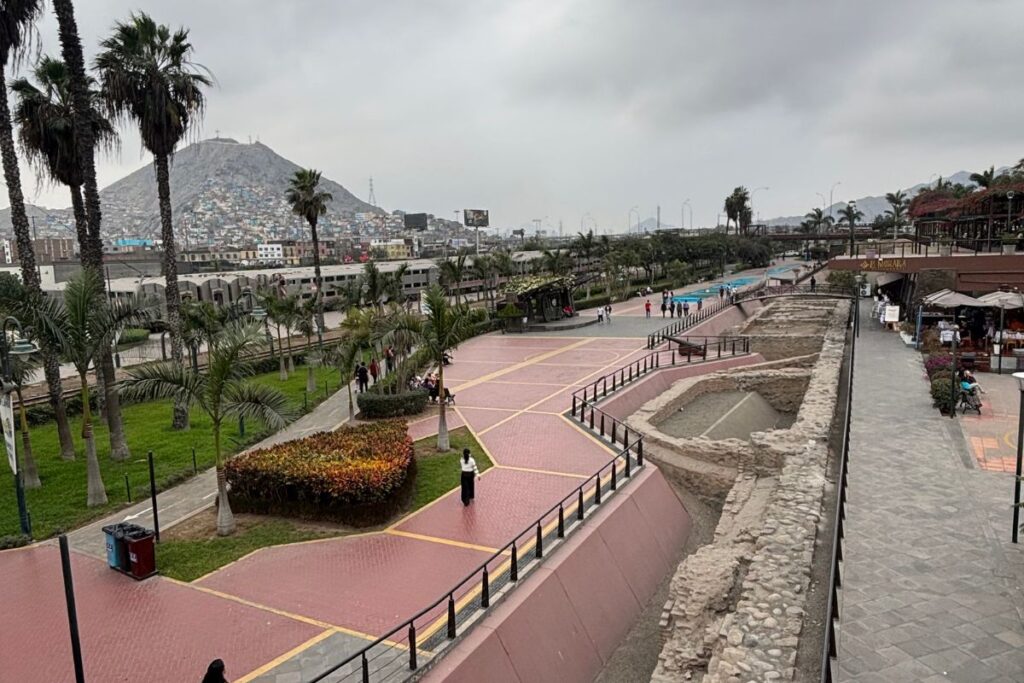
Giving Lima more time meant discovering places I had overlooked on earlier visits, including Parque de la Muralla near the Historic Center.
Lima Started to Open Up When I Stopped Looking for the Next Attraction
The change didn’t happen because I suddenly discovered one incredible place I’d somehow missed. There wasn’t a single museum, neighborhood, or viewpoint that made me think, I’ve been completely wrong about Lima.
It happened much more gradually.
Each time I returned, I added something new: an afternoon at Museo Larco, another evening at the Magic Water Circuit with my family, more time in Barranco instead of treating it as somewhere to stop for the Bridge of Sighs and dinner.
On this most recent trip, the discoveries became even smaller.
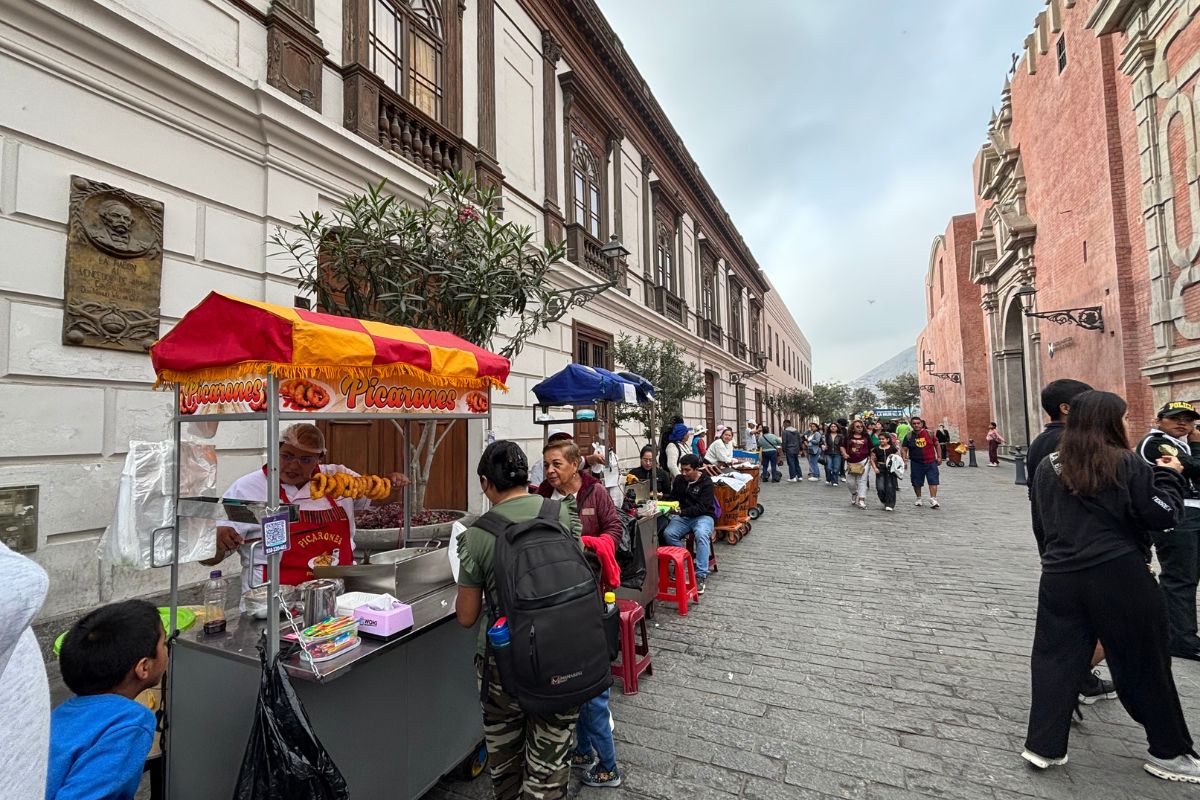
We walked farther through the Historic Center instead of making Plaza Mayor the destination. We found small museums tucked between places I’d already visited and ended up at Parque de la Muralla, somewhere even my dad—who has spent plenty of time in Lima over the years—said he didn’t think he’d ever seen before.
None of these experiences would necessarily appear at the top of a list of reasons to visit Peru, and that’s kind of the point.
I’d spent years asking Lima to give me another major attraction when what I really needed was to stop treating major attractions as the measure of whether there was anything left to experience.
Barrio Chino wasn’t just somewhere to go for chifa. The Historic Center wasn’t just Plaza Mayor and the catacombs. Barranco wasn’t just a colorful afternoon stop. Miraflores wasn’t simply the convenient neighborhood where I slept.
They were individual pieces of a city I’d visited many times without ever really understanding as a whole.
And strangely, the more I understood how much of Lima I hadn’t seen, the less interested I became in trying to see all of it.
I Stopped Trying to “See Lima”
Realizing how much more there was to Lima could have created a different problem: turning every return visit into another checklist of museums, neighborhoods, and archaeological sites.
But that isn’t really what changed the way I feel about the city.
I stopped trying to “see Lima.”
Lima is simply too big for that to be a useful goal. Even after multiple visits, there are neighborhoods I barely know and places I’ve never been. There will probably always be another museum, market, park, restaurant, or archaeological site I could add to a future trip.
Once I accepted that, exploring the city became much easier.
Instead of asking What else haven’t I seen?, I started thinking more about where I wanted to spend the day.
If we were going to the Historic Center, we could stay there longer, walk farther, stop when something looked interesting, have lunch in Barrio Chino, or pop into a museum we hadn’t planned on visiting instead of watching the clock because we still needed to cross the city for another attraction.
If I was in Barranco, I didn’t need to photograph the Bridge of Sighs and immediately move on. I could wander the side streets, stop somewhere for a drink, look at the street art, and let Barranco be the destination rather than one piece of a bigger sightseeing day.
That sounds like a small change, but it made a huge difference.
The city became more interesting when I stopped measuring a successful day by how much of it I had covered.
I hadn’t needed a longer list of things to do.
I needed more curiosity about the places I was already in.
Lima Isn’t Just the Place Between the Places You Came to See
There’s an obvious reason Lima gets rushed: Peru is full of places worth being excited about.
I’ve done it myself. I’ve landed in Lima already thinking about getting back to Cusco and planned trips around Arequipa, Paracas, and Huacachina. There are still entire parts of Peru I haven’t explored, and every return trip seems to make that list longer.
With limited vacation time, I understand why another day in Lima can feel like a day you’re taking away from somewhere else.
What I no longer agree with is the assumption that time in Lima is somehow taking away from the real Peru.
The more I’ve explored the capital, the more I’ve realized how much of Peru is right here.
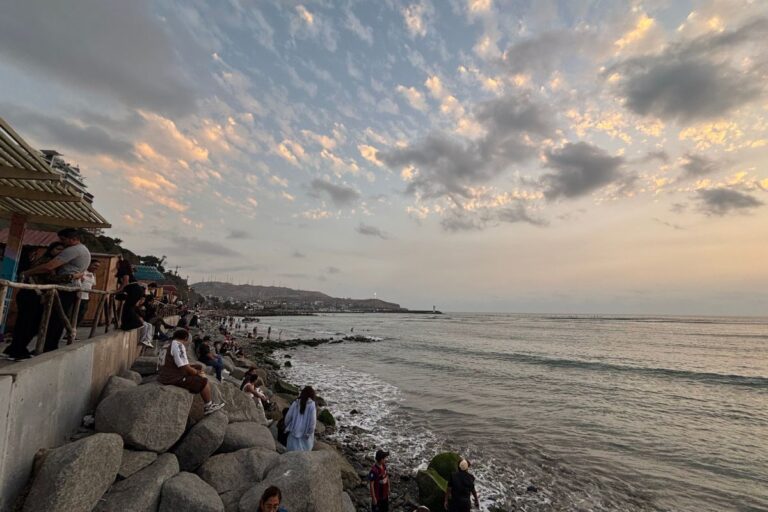
You can walk through centuries of colonial history in the Historic Center and then have lunch in Barrio Chino, where generations of Chinese immigration helped create a cuisine that is now distinctly Peruvian. You can visit Museo Larco and see civilizations that existed long before the Inca Empire, then spend the evening along a Pacific coastline that looks nothing like the Peru many first-time visitors picture before arriving.
Even Lima’s traffic, sprawling neighborhoods, crowded markets, modern apartment towers, restaurants, and parks are part of the country you’re here to experience.
Lima isn’t competing with the rest of Peru. It’s another part of it.
That doesn’t mean I’d cancel a day in the Sacred Valley or skip Arequipa just to spend another afternoon in Lima. It means I’ve stopped treating the capital like a waiting room between the places I’m more excited to see.
And once I stopped doing that, I stopped feeling quite so eager to leave.
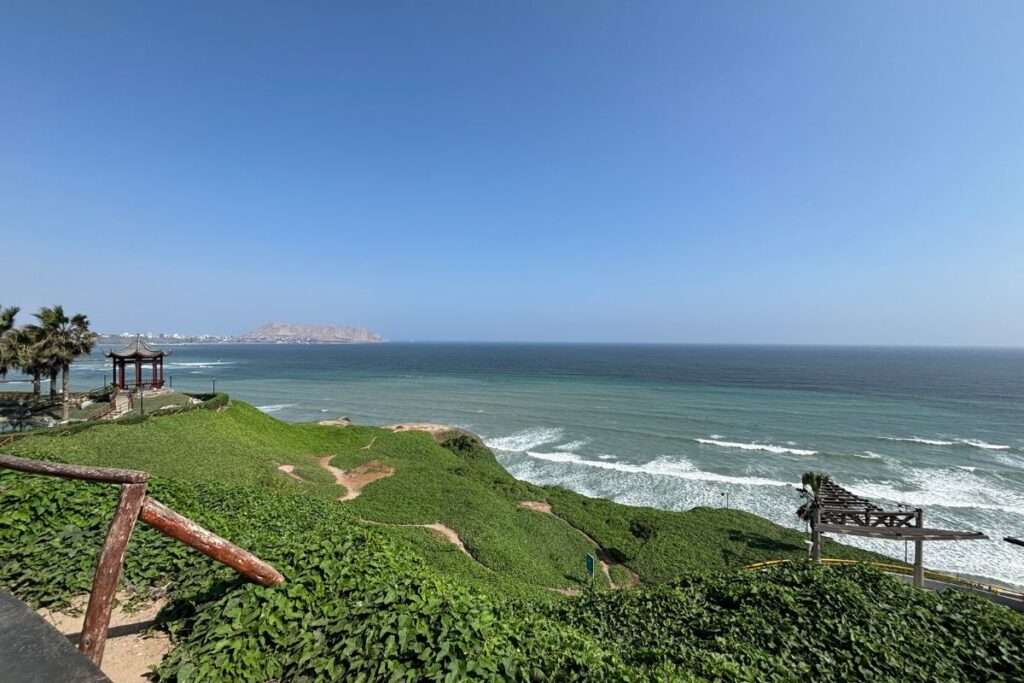
Slowing down in Lima also meant leaving more time for simple things, like walking the Malecón without needing to rush to the next stop.
Why I Stopped Rushing Through Lima
I don’t think I’ll ever become the person who tells every first-time visitor they need to spend a week in Lima. That’s not the lesson I’ve taken from any of this.
What has changed is that I no longer automatically look at a day in Lima and wonder whether I could use it somewhere else.
Lima used to feel like a city I already knew. Now, every time I return, I seem to find another piece of it that reminds me how much I don’t.
Sometimes that’s an actual place. Other times it’s as simple as walking a few streets farther than I did before, sitting down for a meal without worrying about the next stop, or realizing that somewhere I’ve passed through repeatedly deserves more of my attention.
None of that requires weeks of slow travel. It just requires me to stop treating every hour in Lima as time I need to maximize before moving on.
There will still be travelers who spend a day seeing the highlights and happily continue to Cusco. But if you have another day, don’t assume you’ve already seen what Lima has to offer just because you’ve walked the Malecón and photographed Plaza Mayor.
I made that mistake for years.
And I think that’s ultimately why I’ve stopped rushing through Lima: the city didn’t need to give me more reasons to stay. I needed to stop looking for reasons to leave.
A Different Way to Think About Lima
I’m still going to get excited about the rest of Peru. Lima doesn’t need to replace the mountains, the desert, the coast, or any of the places I still want to explore.
It just doesn’t need to be rushed because of them.
If you only have a day or two in the capital, that’s okay. Appreciating Lima doesn’t require an unusually long stay.
Instead, pick a part of Lima and actually spend time there. Walk farther than the landmark you came to see. Go into the little museum you didn’t know existed. Let lunch take longer than expected. Stay in Barranco after you’ve photographed the Bridge of Sighs.
After all these visits, that’s what finally changed Lima for me.
I didn’t run out of things to do in Lima. I ran out of the version of Lima I knew how to explore.
In my next guide, I’ll get practical about what that means, how many days I’d actually spend in Lima, what naturally fits together, and how I’d plan that time on a first trip.
Continue Exploring Lima
- How to Plan Your Time in Lima — Turn a slower approach into a practical plan for your visit.
- Barranco: The Lima Neighborhood I Want to Stay in Next Time — Explore one of the places making me want to linger longer.
- Cusco Is Not Just a Base for Machu Picchu — Read why I’d also give Cusco time beyond the excursions around it.
- 2 Days in Arequipa: A Relaxed Itinerary for Peru’s White City — Carry that relaxed pace into another city worth making time for.