Cusco Is Not Just a Base for Machu Picchu
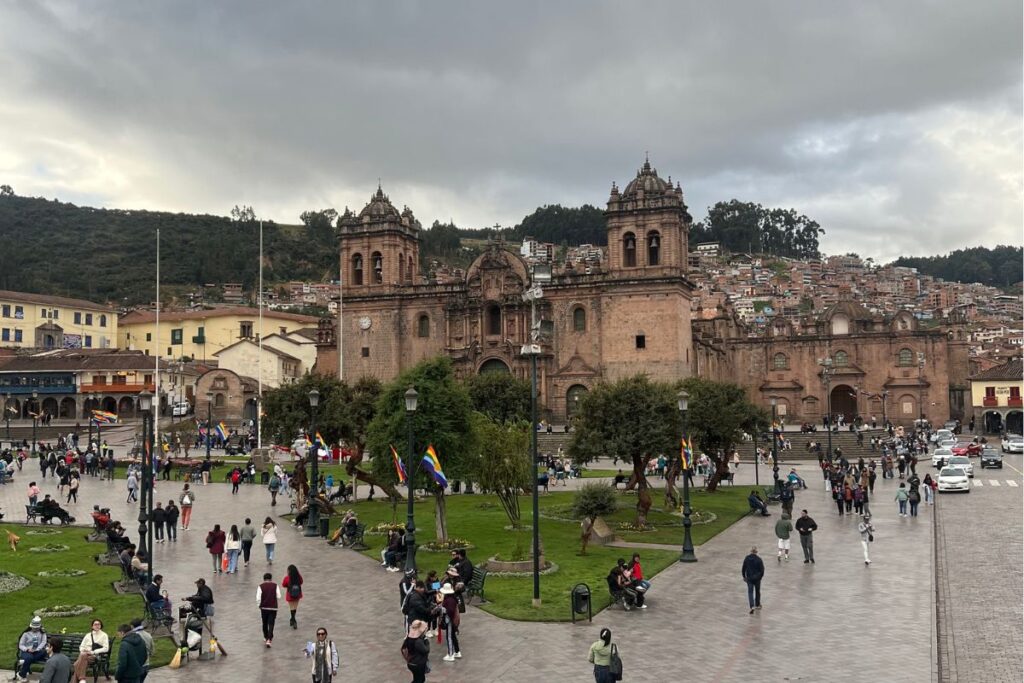
Most people treat Cusco as a stop on the way to Machu Picchu, a place to land, adjust to the altitude, sleep for a night or two, and leave again for the main event.
But after visiting twice, once in 2019 and again in 2025, Cusco has become one of the most memorable destinations in Peru for me entirely on its own.
Machu Picchu deserves every bit of its reputation, but when I think back on both trips, so much of what I remember happened in Cusco itself: evenings in Plaza de Armas, restaurants after long excursion days, slow walks through steep stone streets, and a city that quietly forces you to adjust your pace.
By my second trip, I already knew Cusco wasn’t just the backdrop to everything else we had planned. I intentionally gave us more time in the city because I wanted room for Cusco itself, not just the excursions that started there. And somehow, by the end of that trip, it still didn’t feel like enough.
That’s what changed the way I think about planning Cusco. The first trip taught me how the city works as a base for exploring the region. The second made me realize how much I wanted to experience the city when we weren’t rushing off somewhere else.
Cusco Forces You to Slow Down
Unless you’re accustomed to spending time at 11,000 feet above sea level, Cusco’s altitude will humble you.
The strange thing about altitude is that you don’t really know how much you’ll feel it until you’re there. Some travelers struggle; others barely notice it. Even from one trip to another, your experience isn’t necessarily guaranteed to be the same.
That’s one reason you’ll notice that organized Cusco itineraries tend to build up to the higher-altitude excursions rather than throwing you into the most demanding day immediately after you land.
On our second trip, for example, we added Rainbow Mountain, which reaches roughly 17,000 feet above sea level. Our tour agency scheduled it for our last full excursion day, after we’d already spent several days in and around Cusco. On our itinerary, the Sacred Valley also came before Machu Picchu, giving us another day in the region before the centerpiece of the trip.
And you probably won’t find many people recommending an ambitious itinerary for your arrival day. At most, that’s a good time for something short and relatively easy—like the bus tour my family did on our first visit—or simply time to settle in and explore at your own pace.
I’ve now arrived in Cusco twice, and both times I approached that first day similarly. Before leaving Lima, I took the altitude medication I’d purchased at a pharmacy, had coca tea after arriving in Cusco, and kept the rest of the day intentionally light. Thankfully, on both trips, any effects I noticed were mild and didn’t last much more than an hour.
That’s my experience, not a guarantee of how anyone else’s body will react. The useful planning lesson is to leave yourself room to find out.
Don’t make your arrival day the day your entire itinerary depends on going perfectly. Don’t schedule your highest-altitude excursion immediately. And don’t assume an empty afternoon is wasted time just because you feel fine when you land.
Cusco’s hills and steep streets will give you plenty to do anyway. Walking uphill suddenly feels like a workout. Stairs require more effort than they should. Carrying luggage feels unnecessarily ambitious.
Cusco decides your pace for you very quickly. Building your itinerary around that reality makes a lot more sense than arriving with a packed schedule and hoping your body cooperates.
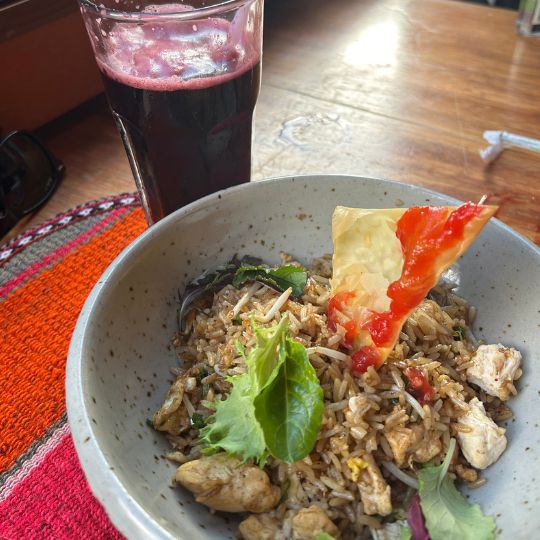
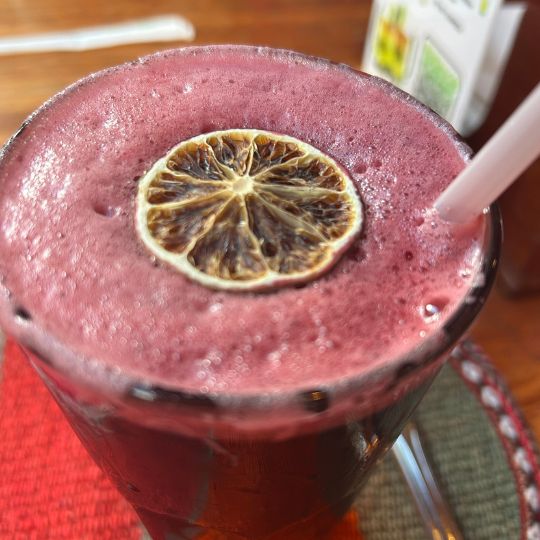
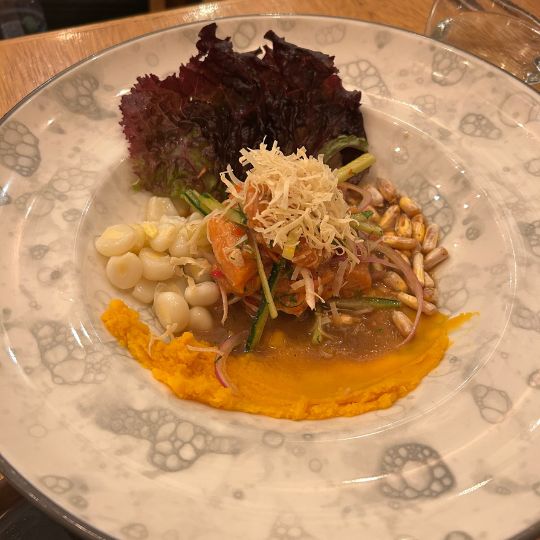
However tired we were after an excursion, Cusco’s food scene usually got us back out the door, from Peruvian comfort food and chicha morada to a beautifully plated ceviche.
Make Time for Cusco Without an Itinerary
One of the best parts about giving yourself more time in Cusco is that you don’t necessarily need another tour to fill it. In fact, filling every day with a tour can mean missing a surprising amount of Cusco itself.
And when I say these excursions start early, I mean you will be leaving Cusco before the sun is even up. Many of the major day trips involve long drives before you ever reach the thing you came to see, and you may not return to the city until late afternoon or evening.
Do that several days in a row and you can technically spend five or six nights in Cusco while seeing surprisingly little of the city during daylight hours.
Cusco is absolutely worth experiencing at night—we certainly did plenty of that—but it’s a different city during the day.
Plaza de Armas will probably become the center of your trip whether you plan for it or not. We passed through constantly for meals, before and after tours, or simply because we ended up there again while wandering through the historic center. But give yourself a free afternoon and suddenly there’s nowhere you need to rush off to.
You can walk uphill into San Blas, one of my favorite areas to explore without much of an agenda, while the small shops, cafés, and galleries are open and the sun is still shining over the city. Just remember that “walk uphill” takes on an entirely different meaning at Cusco’s altitude.
The same goes for San Pedro Market. It’s primarily a daytime stop, which makes it surprisingly easy to miss when your itinerary is built around full-day excursions. You can keep thinking, we’re here for almost a week, surely we’ll get there, only to realize that almost every morning you left before sunrise and every afternoon you came back after much of the day was already gone.
And that’s really the point. You don’t need another elaborate sightseeing plan to justify those hours. Wander through the historic center. Stop in the boutiques you’ve been passing after they’ve already closed. Visit a church or museum. Have a long lunch. Find somewhere overlooking the plaza and sit there for a while.
That’s the kind of Cusco time I wish we’d built in even more of. Not another 5 a.m. pickup. Not another full-day itinerary. Just a few daylight hours when the city itself was the plan.
The Rhythm of Cusco Evenings
After long excursion days, we would return to our Airbnb completely exhausted and almost always say some version of the same thing:
“Maybe we’ll just stay in tonight.”
We almost never did.
We’d freshen up, drop everything we’d been carrying all day, and within an hour someone would start talking about dinner. Usually it began with a craving—ceviche, lomo saltado, Nikkei cuisine, alpaca, trucha—and before long, someone had picked a restaurant and we were heading back toward the historic center.
We rarely repeated places. Some nights we stayed around Plaza de Armas; other nights we wandered a few streets farther looking for somewhere new. Dinner became less about having another thing on the itinerary and more about having an excuse to be back out in Cusco.
But I also don’t want to make those evenings sound more energetic than they actually were.
After a full-day excursion, you’re tired. You may have been awake since 5 a.m. or earlier, spent hours in a car, walked or hiked all day, and returned to Cusco knowing another early wake-up call was waiting for you the next morning. That “maybe we’ll just stay in tonight” feeling was very real.
Some nights, you need the recharge time. And that’s another reason I wouldn’t look at an itinerary full of excursions and assume, I’ll just explore Cusco when we get back. Technically, you may have the evening free. Realistically, you may have enough energy for dinner, a walk through the plaza, and bed.
Thankfully, that’s also a pretty great way to spend an evening in Cusco.
Plaza de Armas is beautiful after dark. The cathedral and surrounding buildings light up, music carries through the square, and people linger around the plaza even as the temperature drops.
Both of my trips happened in late May and early June, which turned out to be an especially fun time to be there. Inti Raymi, Cusco’s major Festival of the Sun, takes place every June 24, and the weeks leading up to it bring preparations and performances throughout the city. We would sometimes come across groups of dancers rehearsing in and around the historic center, turning a simple walk after dinner into something we hadn’t planned to see at all.
Those spontaneous moments became part of the rhythm of our evenings: find somewhere for dinner, walk through the plaza, stop if we heard music or saw something happening, and eventually make our way back for the night.
There was no excursion to catch, no guide waiting for us, and nowhere we particularly needed to be. We could finally just be in Cusco.
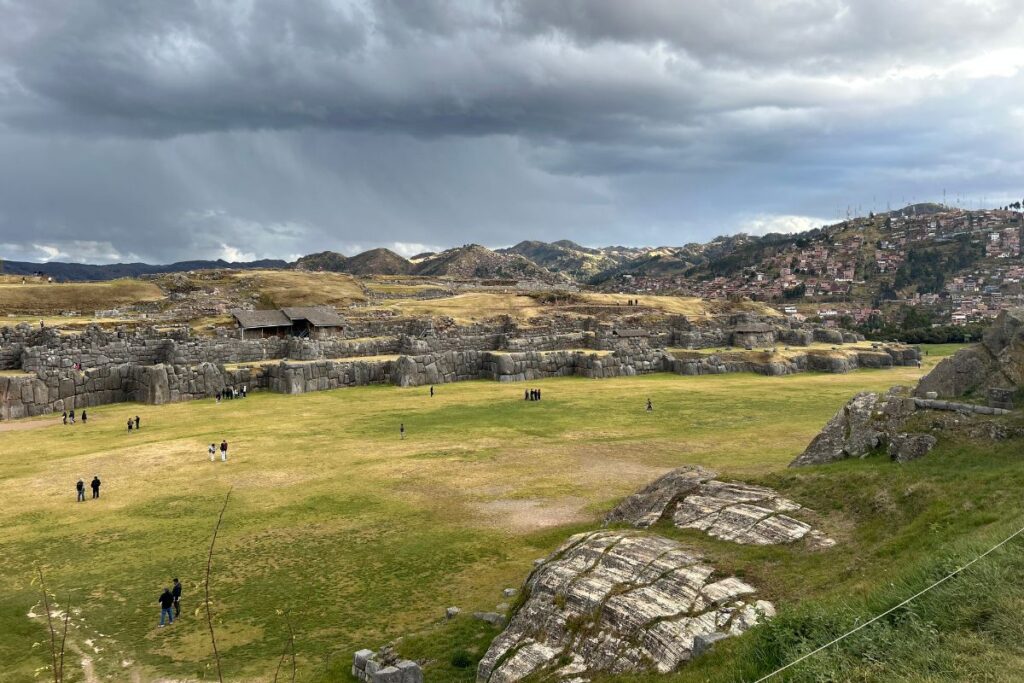
Sacsayhuamán is one of several archaeological sites surrounding Cusco, and a reminder of just how much there is to explore without going anywhere near Machu Picchu.
Don’t Overlook Cusco’s City Tours
Most travelers arrive in Cusco focused on the excursions that take them somewhere else: Machu Picchu, the Sacred Valley, Rainbow Mountain. But I wouldn’t overlook the tours that actually keep you in and around Cusco.
I’ve done a different city tour on each of my two trips, and I’d recommend both for very different reasons.
On my first trip, when I was traveling with my family, we chose a bus tour that turned out to be a perfect introduction to the city. You’re mostly sightseeing from the bus rather than constantly getting out to explore, which may not sound particularly exciting, but in Cusco, especially during those first days at altitude, that’s actually part of the appeal.
We could continue acclimating without spending the day sitting in our hotel. We were still seeing different parts of Cusco, learning about the city, and taking in the scenery, just without asking our bodies to do quite so much while they were adjusting.
As the tour continued, the bus climbed higher into the hills surrounding Cusco. The sun began to set, the city stretched out below us, and then we slowly made our way back down toward the historic center. The view over Plaza de Armas on that drive back remains one of my favorite views of Cusco from either trip.
When I returned in 2025, I tried the more traditional city tour instead. This one gets you out exploring, taking you beyond the historic center to archaeological sites surrounding Cusco, including Sacsayhuamán, Qenqo, Puka Pukara, and Tambomachay.
If you have time, I wouldn’t necessarily choose one over the other. The traditional tour gave me a much closer look at the history surrounding Cusco, while that first bus tour gave my family exactly what we needed when we’d just arrived: a way to start experiencing the city without immediately exhausting ourselves.
There’s Always More to Do Around Cusco
Even after two trips to Cusco, I still feel like I’ve barely made a dent in everything there is to do in the surrounding area.
Machu Picchu, the Sacred Valley, and Rainbow Mountain tend to dominate first-time itineraries—and understandably so. But walk around Cusco for a few minutes and you’ll pass local travel agencies advertising excursion after excursion to places you may not have even considered while planning from home.
That’s how the FOMO started for us.
By the end of both trips, instead of feeling like we’d checked Cusco off the list, we kept noticing everything we hadn’t done. Humantay Lake is still high on mine, with its turquoise water surrounded by mountains. The Maras Salt Mines are too, with thousands of terraced salt pools built into the hillside.
And that’s before getting into all the smaller archaeological sites, villages, hikes, and day trips that rarely make it onto a first Peru itinerary.
The problem, of course, is that adding more excursions isn’t necessarily the answer. Every day trip you add is also another day you’re not actually spending in Cusco.
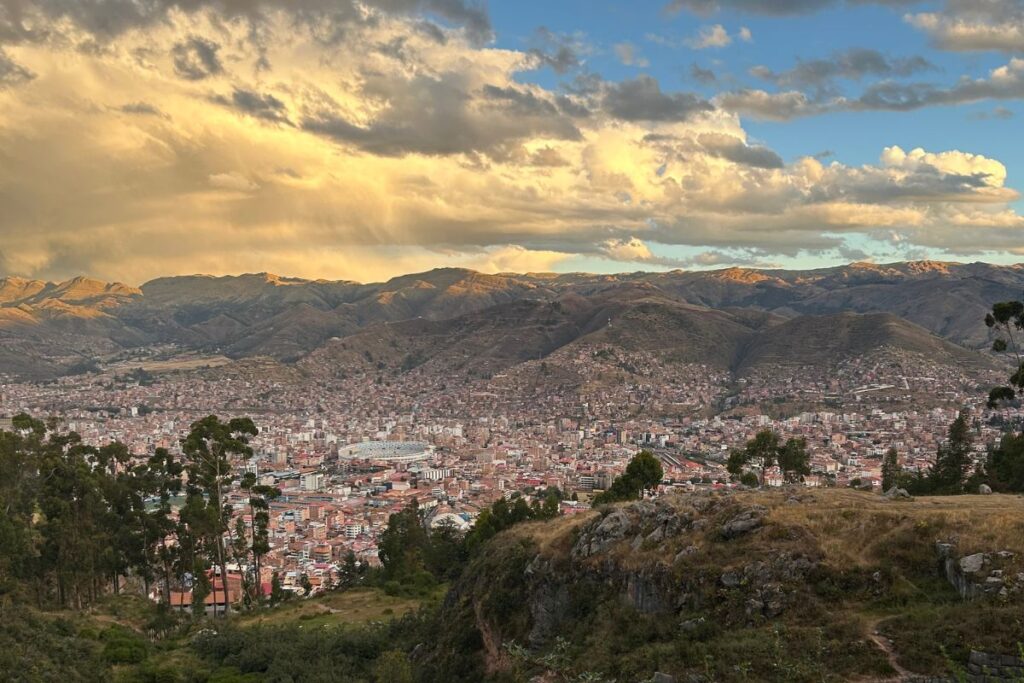
An unexpected extra day on our second trip gave us something our packed itinerary hadn’t: more time to simply experience Cusco.
How I’d Plan My Time in Cusco After Two Trips
Looking back at both trips, I think one of the easiest mistakes to make when planning Cusco is counting the days you need for the excursions and assuming whatever is left over will be enough for the city.
Machu Picchu takes a day. The Sacred Valley takes a day. Rainbow Mountain takes a day. Add Humantay Lake or another excursion and suddenly you’ve built a week in Cusco without actually leaving yourself much time for Cusco.
After two trips, I’d approach the itinerary a little differently.
First, keep your arrival day light. You don’t know exactly how your body will react to the altitude until you’re there, and this isn’t the day I’d make the rest of the trip depend on everything going perfectly. Settle in, walk around if you feel up to it, or choose something relatively easy while you acclimate.
Then think about the order of your excursions. On our second trip, Rainbow Mountain—our highest-altitude day—came at the end, after we’d already spent several days acclimating in and around Cusco. There’s a reason a well-planned itinerary doesn’t necessarily put the biggest excursion first.
I’d also look at how many actual daylight hours in Cusco your itinerary gives you. If you’re leaving before sunrise and returning around dinner several days in a row, five or six nights in Cusco can look much more generous on paper than it feels once you’re there. Markets, boutiques, museums, churches, and neighborhoods like San Blas are much easier to enjoy when you’re not trying to squeeze them in around a full-day tour.
And I wouldn’t count on the evenings to make up for all of that. After waking up at 5 a.m., spending hours in a car, and being out all day, sometimes dinner and a walk through Plaza de Armas are about all the exploring you’re going to want to do. Recharge time belongs in the itinerary too.
So if I were planning another Cusco trip, I wouldn’t automatically add another day so I could squeeze in another excursion. I’d add the day so I didn’t have to squeeze anything into it.
Give yourself time to acclimate. Protect some daylight hours for the city. Be realistic about how tired you’ll be after the bigger excursions. And leave enough empty space that if you want to spend an afternoon wandering San Blas, sitting over Plaza de Armas, or doing absolutely nothing before dinner, you can.
Cusco has plenty to keep you busy. The harder part is giving yourself enough time that you don’t have to be busy for all of it.
Final Thoughts
The first trip taught me how Cusco works logistically. The second confirmed just how much I genuinely love being there.
My first visit was with my parents, my sister, and cousins we rarely get to travel with. Years later, I returned with one of my closest friends and got to watch her fall in love with a place I had already fallen in love with on that first trip.
In many ways, the trips were actually pretty similar. Machu Picchu was the centerpiece both times. We filled our days with excursions, came back exhausted, found somewhere good for dinner, and somehow ended every trip wishing we’d had a little more time in Cusco.
Maybe that’s what finally convinced me that my love for the city isn’t just tied to Machu Picchu.
I think about the dinners after long days, the walks through Plaza de Armas, the steep streets, the evenings when we stumbled across music or dancers practicing, and all those ordinary hours between the things we’d actually put on the itinerary.
And dare I say it, I could easily see myself returning to Cusco without Machu Picchu on the itinerary at all. I’d happily go back just to spend more time in the city, revisit favorite restaurants, explore more of the surrounding area, and finally give Cusco some of those completely open days I keep saying it deserves.
That might be the clearest sign of how much I love it.
Of course, if you’re planning a trip to Machu Picchu and need someone to come along, I will gladly volunteer. Of all the world wonders I’ve visited, that’s one I don’t think I’ll ever get tired of seeing.
I may have originally gone to Cusco because of Machu Picchu. Now I’d go back to Cusco simply because it’s Cusco.
Continue Exploring Cusco
If you’re planning your own trip to Cusco or Machu Picchu, these posts dig deeper into two very different parts of my experience:
- The Day Cusco Gave Us Back Time — how a delayed flight unexpectedly gave us one final slow day in Cusco, and why that unplanned time became one of my favorite memories from the trip.
- I’m So Glad We Let a Local Agency Handle Machu Picchu — what I learned from planning Machu Picchu twice, why I still chose a local Cusco agency the second time, and what actually goes into coordinating the trip.
- Why I Stopped Rushing Through Lima — If you’re tempted to rush through Lima on the way to Cusco, here’s why I eventually stopped treating Peru’s capital as just another transit stop.