Is the Amalfi Coast Worth It? An Honest Review After One Week
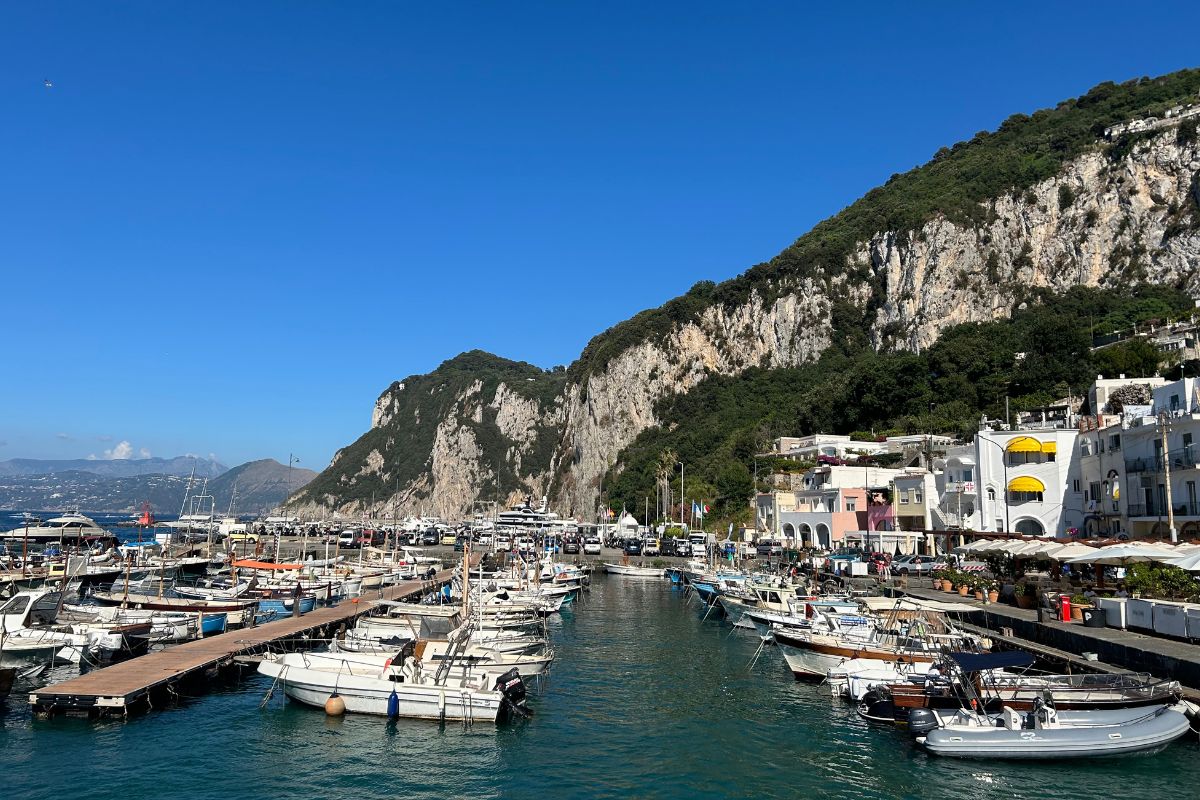
One of the reasons we chose Maiori as our base on the Amalfi Coast was its location. While it may not have the name recognition of Positano or Amalfi, it offered relatively easy access to many of the destinations we wanted to visit while providing a more relaxed and affordable home base.
The Amalfi Coast had been living rent-free on my travel bucket list for years. Colorful towns stacked impossibly high on cliffsides, ferries gliding across turquoise water, lemon groves, beach clubs, endless photos that somehow looked too perfect to be real.
When a family wedding in Rome gave us the perfect excuse to extend the trip, the Amalfi Coast immediately found its way onto the itinerary. Would late June have been my first choice? Probably not. Peak season brings crowds, higher prices, and the possibility of intense heat waves.
But one of my favorite styles of travel is landing in a country once and then exploring until it’s time to fly home. Italy is perfect for that kind of trip, and after previously visiting Sorrento, Capri, and Pompeii during my study abroad years, I knew I wanted to return and experience more of the region intentionally.
So we booked six nights in Maiori and headed south. After a week exploring Ravello, Positano, Capri, Sorrento, Pompeii, and Naples, I can finally answer the question: Is the Amalfi Coast worth it?
Yes. Absolutely. But probably not for the reasons Instagram tells you. The Amalfi Coast is absolutely worth visiting if you’re prepared for the crowds, higher costs, and sometimes frustrating transportation that come with experiencing it.
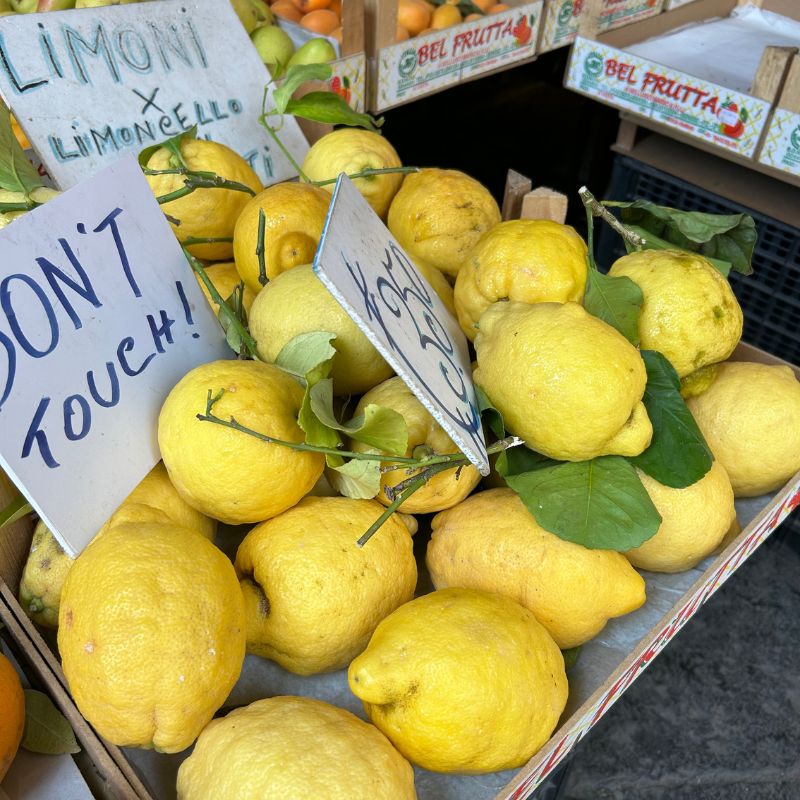
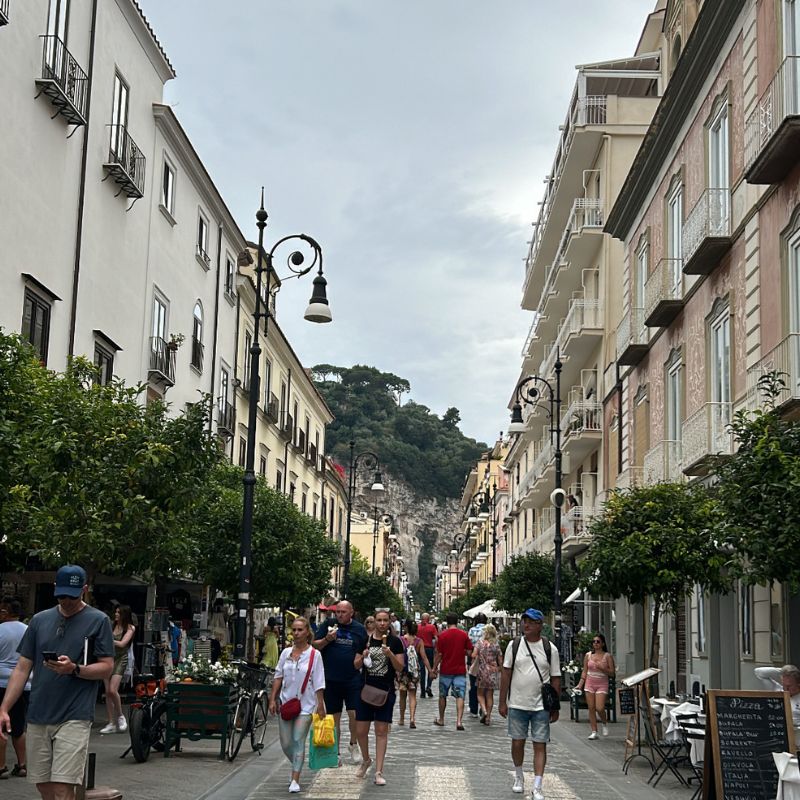
Yes, the Amalfi Coast really does have the giant lemons, charming streets, and postcard-worthy scenery you’ve seen online. Thankfully, the reality lived up to the photos.
What the Amalfi Coast Gets Right
The beauty is real. That’s probably the easiest place to start.
Sometimes social media creates impossible expectations. You arrive somewhere expecting perfection and leave wondering what all the hype was about. The Amalfi Coast wasn’t one of those places. The ferry rides were every bit as beautiful as the photos suggest, colorful towns appeared around bends in the coastline, and lemon trees seemed to be everywhere. Even after multiple ferry rides, I never got tired of staring out at the water.
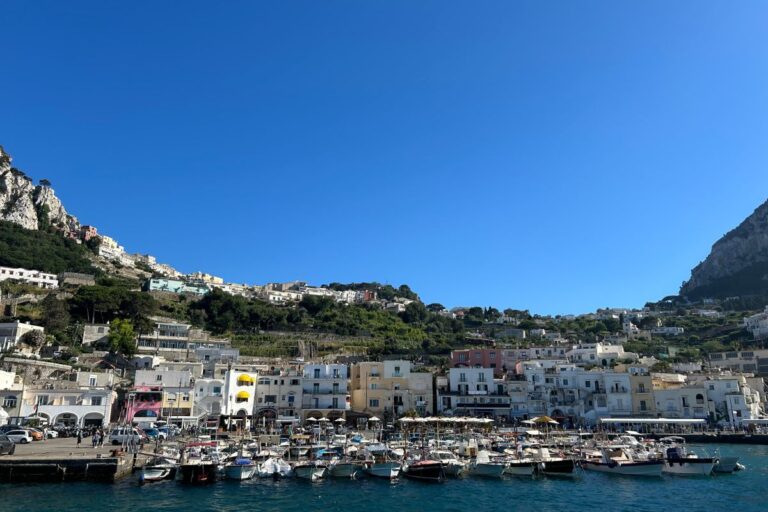
Ravello became one of the biggest surprises of the trip. Sitting high above the coastline, it felt calmer and greener than the more famous towns below. Positano was crowded, expensive, and chaotic—but also stunning. Capri was busy and filled with tourists, but beautiful nonetheless.
The food largely lived up to expectations as well. Long lunches overlooking the sea, fresh seafood, pizza, lemon desserts, and more spritzes than I care to admit became part of the rhythm of the week.
But perhaps what the Amalfi Coast gets right is how easily it encourages you to slow down without ever feeling like there’s nothing left to do. Before this trip, many of my favorite vacations involved moving quickly between countries and cities, trying to maximize every day. This was one of the first trips where I intentionally set out to travel differently.
At least, that was the plan. Once I started researching, the itinerary filled up surprisingly quickly. Capri. Positano. Ravello. Amalfi. Sorrento. Pompeii. Naples. Each destination seemed close enough to justify adding “just one more” day trip.
What surprised me was realizing that slowing down isn’t the same thing as having less to do. Even though we stayed in one place for six nights and focused on a relatively small part of Italy, there was still far more to see than we could reasonably fit into a single trip.
If anything, spending more time in the region made me appreciate just how much there was to explore. Instead of leaving feeling like we’d seen everything, I left with a growing list of places I’d happily return to.
That’s probably one of the biggest compliments I can give the Amalfi Coast: we spent nearly a week there, tried to travel at a slower pace than usual, and still left feeling like we’d only scratched the surface.
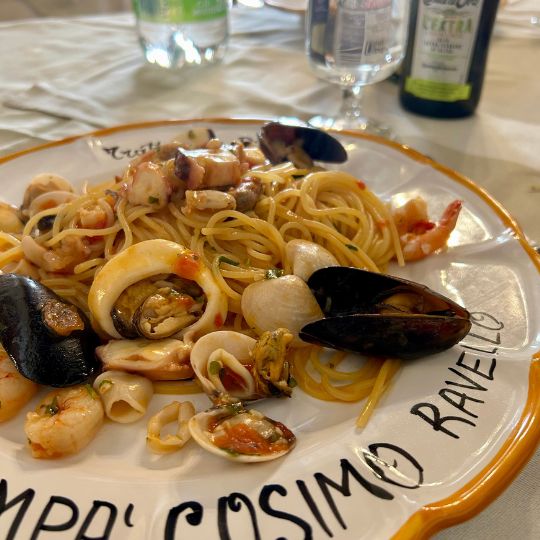
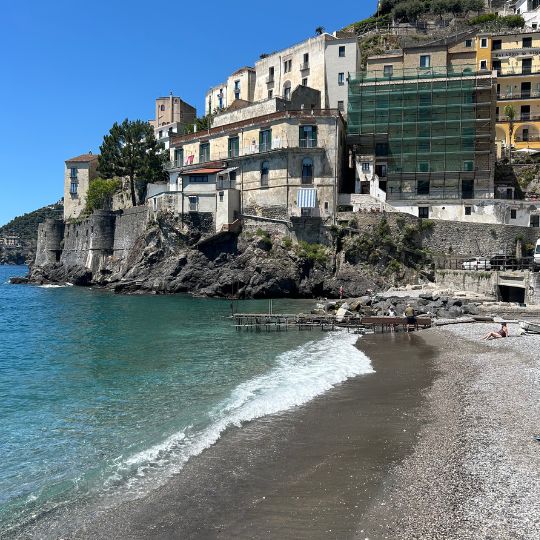

The food, scenery, and slower moments absolutely lived up to the Amalfi Coast hype. What the photos don’t capture quite as well are the logistics and the patience sometimes required to enjoy all of it.
What Social Media Doesn’t Show
The Amalfi Coast can also be frustrating, and transportation is probably the biggest reality that the beautiful photos don’t show. Unlike cities like Florence or Rome, getting around the coast often requires a combination of buses, ferries, walking, and occasionally expensive taxis.
We learned that quickly. One morning, we missed an entire ferry because the bus we were waiting for never arrived. Another day, a rail strike forced us into a costly taxi ride just to keep our Pompeii plans alive. None of those issues ruined the trip, but they absolutely shaped how we experienced it.
Then there’s the cost. The Amalfi Coast is not a budget destination. Beach clubs, ferries, taxis, and hotels can all be expensive, and even the smaller transportation expenses have a way of quietly adding up over the course of a week.
The physical landscape is another consideration. Many Amalfi Coast towns are built vertically into the cliffsides, which can make steep streets and stairs part of everyday sightseeing. That doesn’t mean travelers with mobility concerns should automatically rule out the region, but where you stay and how you plan your days can make a significant difference. Choosing a flatter town like Maiori, relying more on ferries or taxis, and focusing on waterfront areas rather than steep walking routes can make the trip more manageable.
For us, choosing Maiori as our home base ended up being one of the best decisions of the trip. Its flatter layout didn’t eliminate the logistical challenges of exploring the Amalfi Coast, but it gave us an easier place to return to at the end of the day.
The Biggest Surprise
I expected to love the famous towns. I didn’t expect the quieter moments to become some of my favorite parts of the trip.
After years of vacations built around maximizing every day, squeezing in one more attraction, and sometimes hopping between multiple countries, I was used to measuring a good travel day by how much we’d managed to see. On the Amalfi Coast, the days and moments we enjoyed most were rarely the ones where we accomplished the most.
A leisurely lunch in Ravello. An afternoon at a beach club in Positano. A scenic ferry ride back to Maiori. A slow breakfast before we’d even decided what we wanted to do that day. Those are the moments I still think about.
That shift also changed how I thought about where we stayed. I usually gravitate toward the most central and busiest part of a destination. If there’s a location that puts me closest to everything I want to see, that’s generally where I want to be.
Maiori challenged that mindset. Its calmer atmosphere, wider beach, and slower pace made me realize there can be real value in choosing a quieter home base and visiting the famous destinations rather than sleeping in them.
I went to the Amalfi Coast expecting the famous places to be the highlight. Instead, one of the biggest things I brought home was a different idea of what makes a trip feel worthwhile.
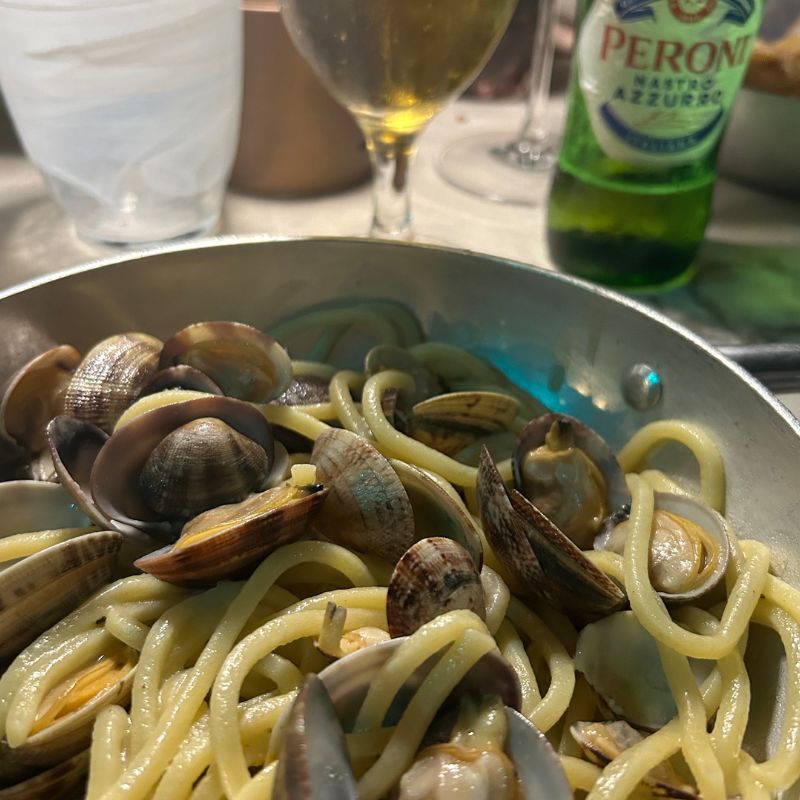
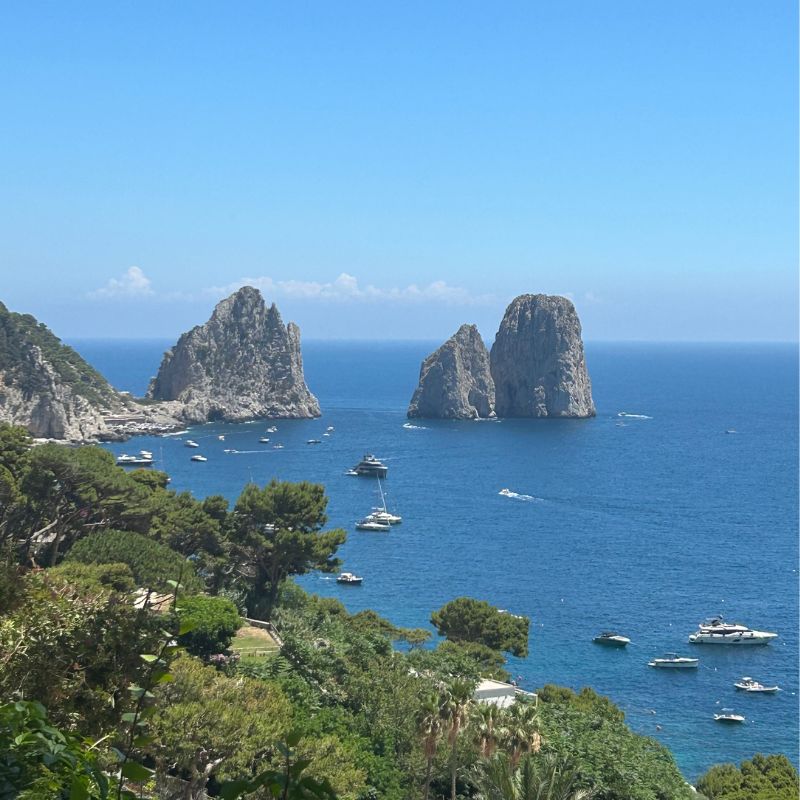
On the Amalfi Coast, luxury didn’t have to mean five-star hotels or private yachts. Sometimes it was a plate of pasta with clams, a beautiful view, and enough time to actually enjoy both.
You Don’t Need Luxury Travel to Feel Luxurious
One thing that surprised me was how often the Amalfi Coast felt luxurious even though we weren’t taking a luxury trip. We weren’t chartering private yachts or staying in five-star cliffside resorts. But ferries gliding between colorful towns, long lunches overlooking the sea, and the simple convenience of staying somewhere walkable all contributed to making the trip feel special.
At the same time, this is one destination where strategically spending a little more can meaningfully improve the experience. More money doesn’t always make a trip better, but on the Amalfi Coast it can sometimes buy you more comfort, more convenience, and—perhaps most importantly—more time actually enjoying the destination instead of navigating it.
That doesn’t mean you need to break the bank or book exclusively luxury experiences. For us, it meant choosing where a small splurge would have the biggest impact: taking a ferry instead of a bus, booking a guided tour of Pompeii, choosing a convenient hotel, or paying for a beach club for one afternoon rather than every day.
Those weren’t necessarily luxury experiences. They were strategic upgrades that made certain parts of the trip easier or more memorable.
That’s ultimately how I’d approach spending on a future Amalfi Coast trip: not by spending more everywhere, but by spending more where it meaningfully improves the experience.
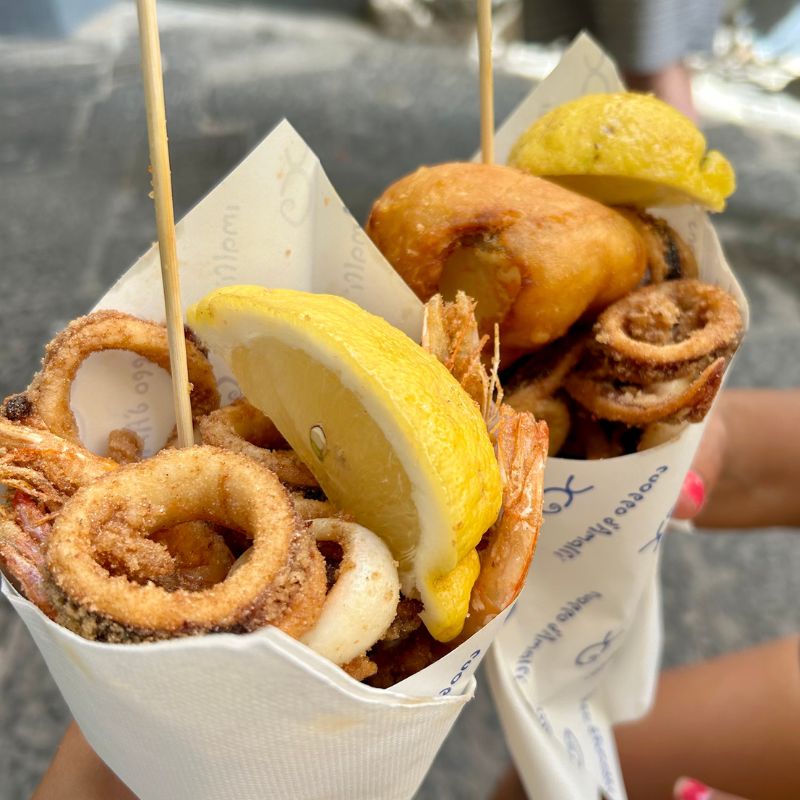
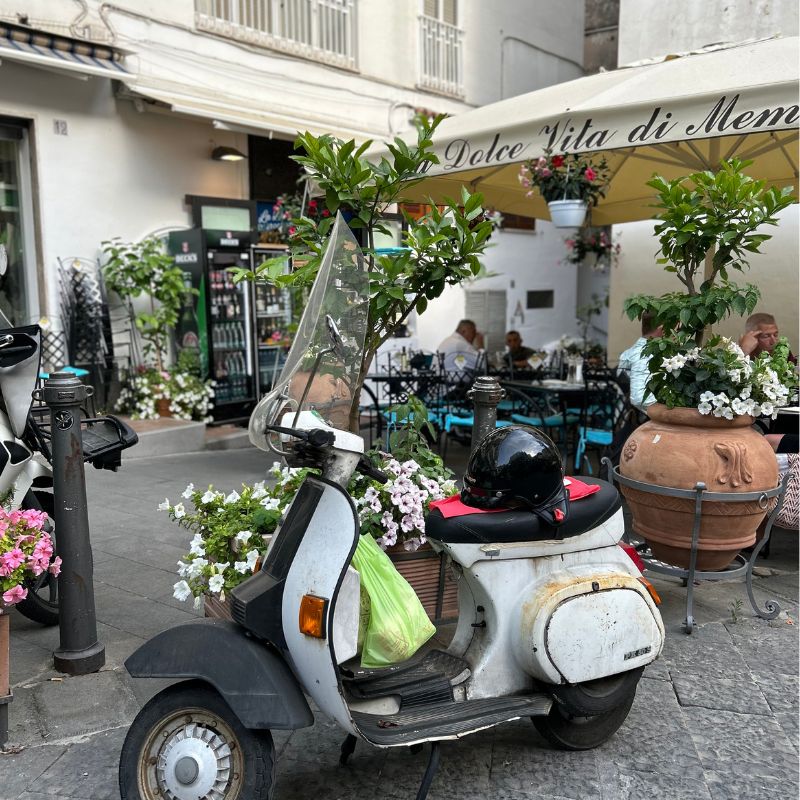
Some of the moments that made the Amalfi Coast feel special were also the simplest: fresh fried seafood, wandering through town, and having nowhere we needed to rush off to next.
Who Is the Amalfi Coast Best For?
The Amalfi Coast is absolutely worth visiting for travelers who value beautiful scenery, great food, leisurely days, and experiences over sightseeing checklists. Couples and families can both enjoy it, and photographers will have no shortage of scenery to capture.
It may be a harder sell if you’re traveling on a tight budget, have significant mobility limitations, strongly dislike crowds, or prefer trips where transportation and daily schedules are highly predictable.
More than anything, the Amalfi Coast asks for a certain amount of patience. If your ideal vacation involves long lunches, beautiful views, leisurely walks, and the occasional afternoon spent doing very little while staring at the Mediterranean, you’ll probably love it. If you’re constantly worried about optimizing every hour, it can become frustrating.
So, Is the Amalfi Coast Worth It?
After one week, my answer is still yes. Not because everything went perfectly, it didn’t. We dealt with missed transportation, crowded ferries, unexpected expenses, and a few stressful travel days.
But those aren’t the things I think about when I look back on the trip. I remember the ferry rides, the views from Ravello, the cliffs rising behind Positano, the meal my mom still talks about, and the feeling of arriving back in Maiori after a long day of exploring.
That’s also why I don’t think the Amalfi Coast is defined by any one famous town or Instagram photo. It’s more than capturing the perfect view of Positano, enjoying an expensive lunch in Capri, or renting a private boat for the day. For me, it was the combination of those beautiful places with the quieter moments in between that made the trip memorable.
The Amalfi Coast isn’t the easiest destination I’ve ever visited, and it certainly isn’t the cheapest. But very few places have left me scrolling through my photos weeks later wondering when I can go back. That’s probably the highest compliment I can give any destination.
Looking back, the Amalfi Coast wasn’t memorable because we saw everything. It was memorable because we started figuring out a pace that worked for our family, and that changed the way I think about planning future trips.
More From My Amalfi Coast Series
- Where to Stay on the Amalfi Coast: Why We Chose Maiori — Why Maiori worked so well as our home base, plus what to consider when choosing where to stay along the coast.
- Best Day Trips From the Amalfi Coast: What We Learned From Maiori — The places we visited from Maiori, what worked, and which day trips I’d prioritize next time.
- Planning an Amalfi Coast Trip? 7 Things I’d Do Differently — What I learned about ferries, buses, transportation, pacing, and planning a realistic itinerary.
- What the Amalfi Coast Taught Me About Traveling With Family— A more personal look at our week together and what the experience was really like as a family trip.
- Where to Stay on the Amalfi Coast: Best Towns & Hotels — How Maiori, Amalfi, Positano, Ravello, and Minori compare, plus the hotels I’d consider in each.
- How Many Days Do You Need on the Amalfi Coast? — How much time I’d plan for a first trip, from a quick 2–3 day visit to a slower week along the coast.