Is Poland Worth Visiting? My Honest Thoughts After 5 Days
This post is part of my Central Europe series, following my travels through Poland, Slovakia, Austria, Slovenia, Croatia, and Bosnia and Herzegovina, from historic capitals and unexpected city stops to lakes, coastal towns, and the journeys connecting them. Throughout the series, I share what surprised me, which places deserved more time, and what I’d do differently on a return trip. You’ll find more guides in the Continue Exploring Central Europe section at the end.
Before this trip, I knew almost nothing about Poland.
I wasn’t visiting because of a bucket-list attraction. I wasn’t chasing a specific experience. Poland simply happened to be the starting point of a two-week Central Europe trip I had planned around trains and buses.
Looking back, it ended up being one of the biggest surprises of the trip.
If you’re wondering whether Poland deserves a place on your European itinerary, my answer is a very easy yes.
Poland After Five Days: My Quick Take
- Was it worth visiting? Absolutely—Poland became one of the biggest surprises of my Central Europe trip.
- Where I went: Warsaw and Kraków, with a visit to the Wieliczka Salt Mine.
- What stood out: Historic streets, parks, riverfront exploring, pierogi, and good value.
- What surprised me most: How much I enjoyed Warsaw beyond its Old Town—and how much Kraków offered beyond its famous square.
- Would I return? Without hesitation. I’d revisit both cities and add Gdańsk.
Poland Exceeded My Expectations in Almost Every Category
I arrived in Poland with a few expectations, but not much of a picture of the trip as a whole. I thought Warsaw would be a quick stop before Kraków, knew I wanted to eat pierogi, and expected Kraków’s historic center to be beautiful. What I hadn’t anticipated was how much I’d enjoy the time between those obvious highlights.
Warsaw gave me parks, neighborhoods, and a riverfront I could have kept exploring for hours. Kraków delivered the first impression I’d hoped for, then gave me reasons to venture beyond its famous square. Even meals became something I looked forward to rather than simply fitting them between sightseeing stops.
The surprise wasn’t one attraction that made the trip worthwhile. It was how consistently I enjoyed being there. By the time I left, I wasn’t just glad I’d included Poland in the itinerary—I was already thinking about what I’d come back to see.
Why Warsaw Surprised Me
Before visiting Poland, most of my research focused on Kraków. Warsaw often felt like an afterthought, but after spending two days there, I think that’s a mistake.
I loved wandering through Stare Miasto (Old Town), exploring Łazienki Park, and spending time along the Vistula River Boulevards. One of my favorite discoveries was the riverfront itself.
I initially rented an e-scooter somewhat cautiously. I’m not the most coordinated person, and I wasn’t sure how comfortable I’d feel navigating a city on two wheels. Instead, I found one of the most enjoyable urban riverfronts I’ve explored in Europe.
The paths stretch for miles and are almost entirely separated from traffic. Even with walkers, runners, cyclists, and fellow scooter riders enjoying the riverfront, it never felt overwhelming. The experience gave me the confidence to continue across the bridge toward Praga.
What I loved most was the feeling that the city kept unfolding in front of me. Long paved paths stretched into the distance, side trails branched off in multiple directions, and every time I reached a fork, I found myself wondering what was waiting around the next bend.
For an hour or two, I felt completely limitless on that scooter. It’s one of the moments I remember most vividly from Warsaw and one of the reasons I left feeling like I’d only scratched the surface of the city.
I originally thought Warsaw was a one-day city. By the time I left, I realized I could have easily filled another day.
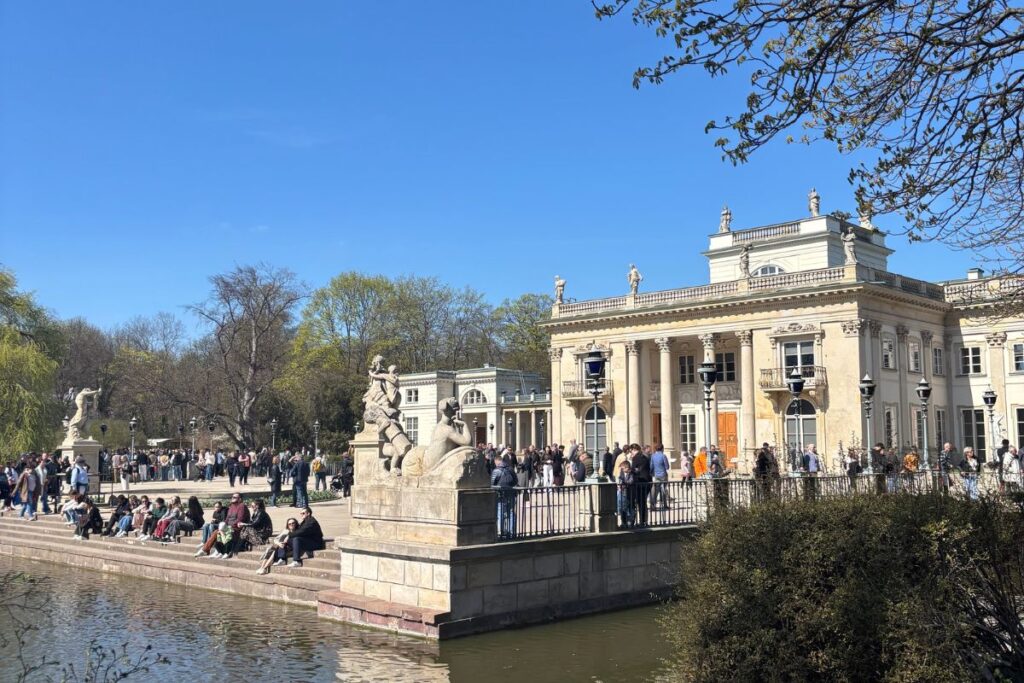
Staying just outside Warsaw’s Old Town gave me easy access to places like Łazienki Park, where I could slow down for a while and experience the city alongside locals enjoying a sunny afternoon.
Travel Breakdown Reality Check
Trip goal: Stretch my travel budget without sacrificing comfort.
Stay cost: $164 total for two nights
Out of pocket: $0 after applying part of my Capital One Venture X $300 annual travel credit.
My take: A comfortable private room for under $100 per night met my goal, but location was the tradeoff. I enjoyed walking into the center initially, then increasingly relied on buses and public transportation. I’d consider it again for the value, but if being steps from Old Town mattered most, I’d spend a little more.
Explore Leonardo Royal Hotel Warsaw and check current rates →
Poland Delivered on the Food
One thing I was genuinely excited about before arriving was pierogi. Unlike much of the trip, where I had few expectations, I knew exactly what I wanted from Poland—and it delivered.
At Zapiecek, I quickly discovered that a long queue at one location didn’t mean I had to wait. I tried another branch and was seated almost immediately. My first meal was exactly what I’d hoped for: a pierogi sampler, local wine, and beet soup. Five days later, pierogi was still my favorite thing I’d eaten in the country.
Another memorable meal came in Kraków near the beginning of the Royal Route. The pierogi were perfectly good, but what made the experience stand out was sitting outside, looking along the historic streets, and watching the city move around me.
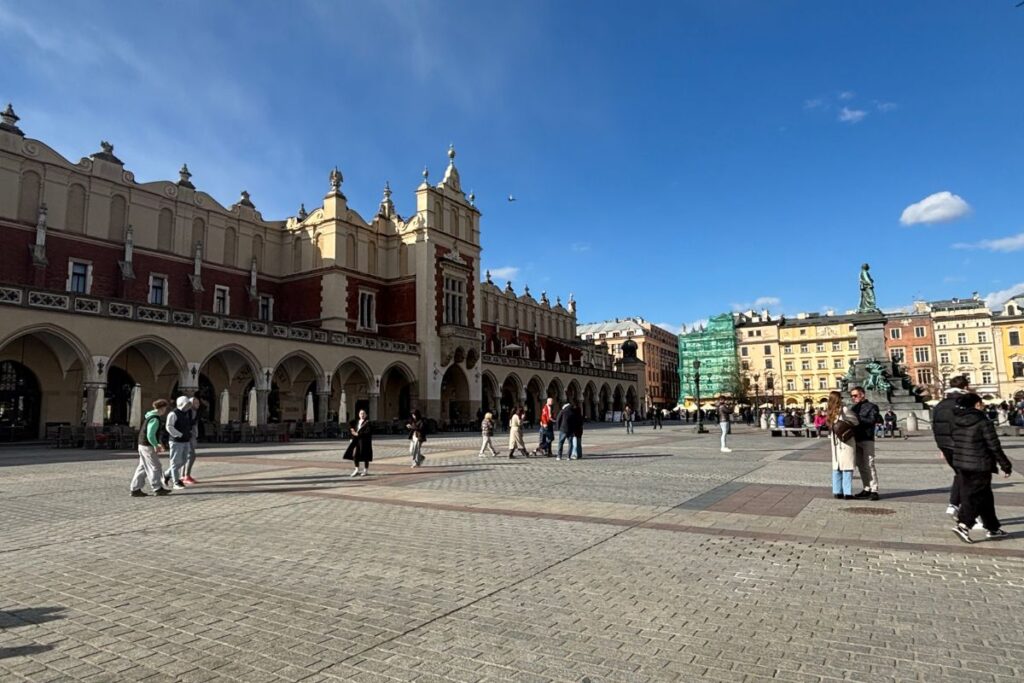
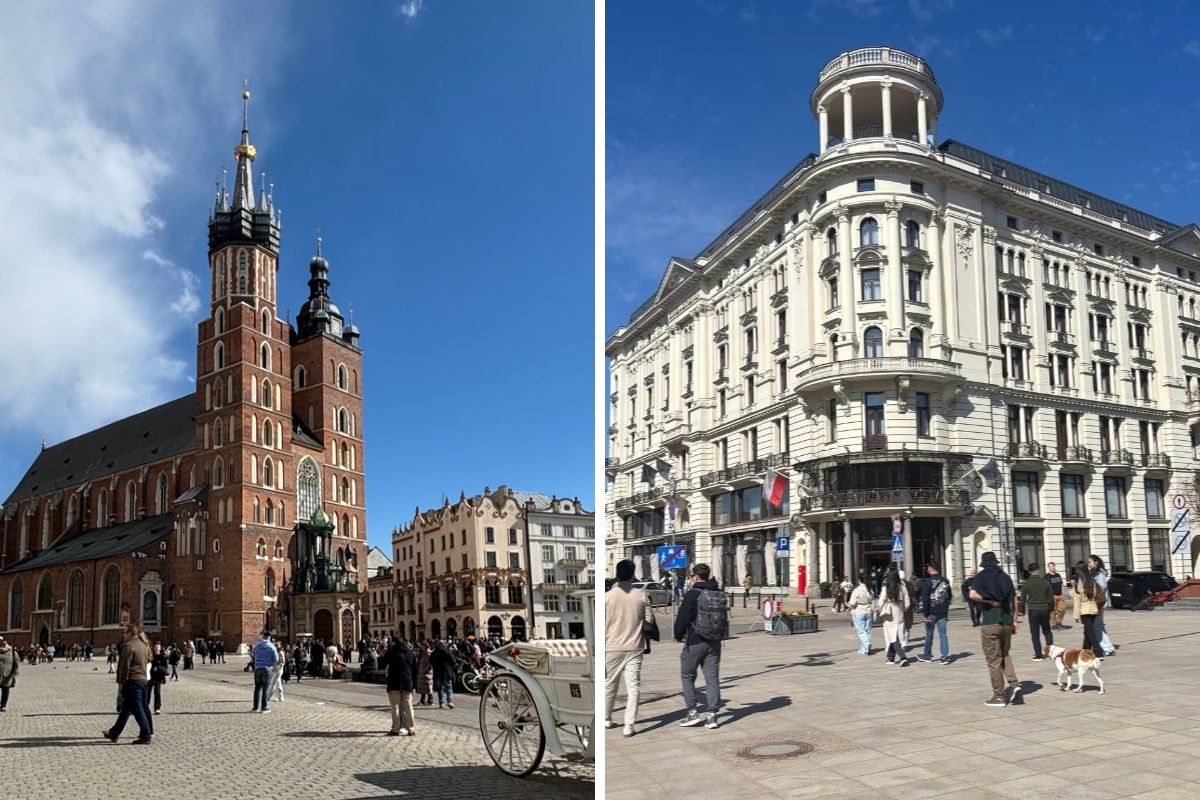
Kraków was everything I’d hoped it would be. Its lively Main Market Square, historic streets, and remarkable architecture delivered the classic Central European experience I’d imagined before the trip, and then exceeded it.
Kraków: The City That Wowed Me
As much as I enjoyed Warsaw, Kraków was the city that wowed me. If Warsaw exceeded expectations, Kraków delivered on every expectation I already had.
The massive Rynek Główny (Main Market Square), St. Mary’s Basilica, Wawel Castle, and the surrounding historic streets felt like the fairytale version of Central Europe many travelers imagine.
What surprised me most, however, was how much there was to do beyond the Old Town. I originally assumed most of my time would revolve around the historic center, but instead I found myself exploring Kazimierz, taking a Jewish heritage walking tour, visiting the Wieliczka Salt Mine, and realizing I’d barely scratched the surface.
I arrived thinking Kraków was about the square. By the time I left, I realized I needed another trip.
Travel Breakdown Reality Check
Trip goal: Stretch my travel budget without sacrificing comfort.
Stay cost: $250 total for two nights
Out of pocket: $250.
My take: More than I originally planned to spend, but the location—directly across from the train and bus station and a short walk from Old Town—made exploring considerably easier. I’d pay the difference again.
Explore Mercure Krakow Stare Miasto and check current rates →
This wasn’t the hotel I planned to stay at.
Originally, I booked The Garden Collection Apartments for $71 per night through Capital One Travel, with the stay covered by my Venture X travel credit. Unfortunately, I arrived without the access code needed to enter the building.
I’d already started considering alternatives when I realized I hadn’t received check-in instructions, so rather than spending more of my trip trying to resolve it, I booked the Mercure and continued exploring Kraków.
It was an unexpected expense, but the new location saved me time throughout my stay. Looking back, it reminded me that the cheapest booking isn’t always the one that makes the trip easier.
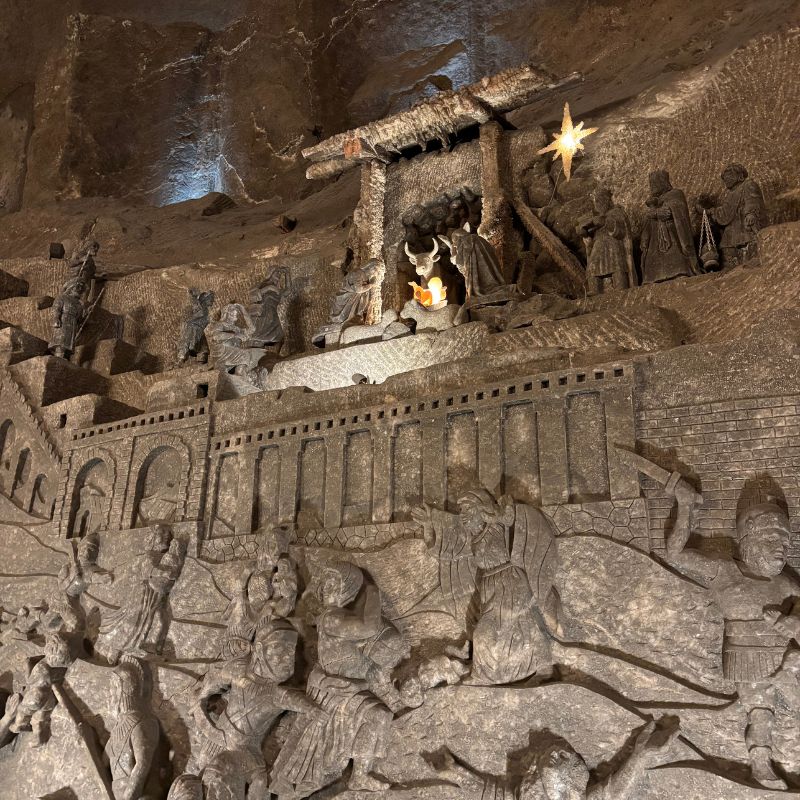
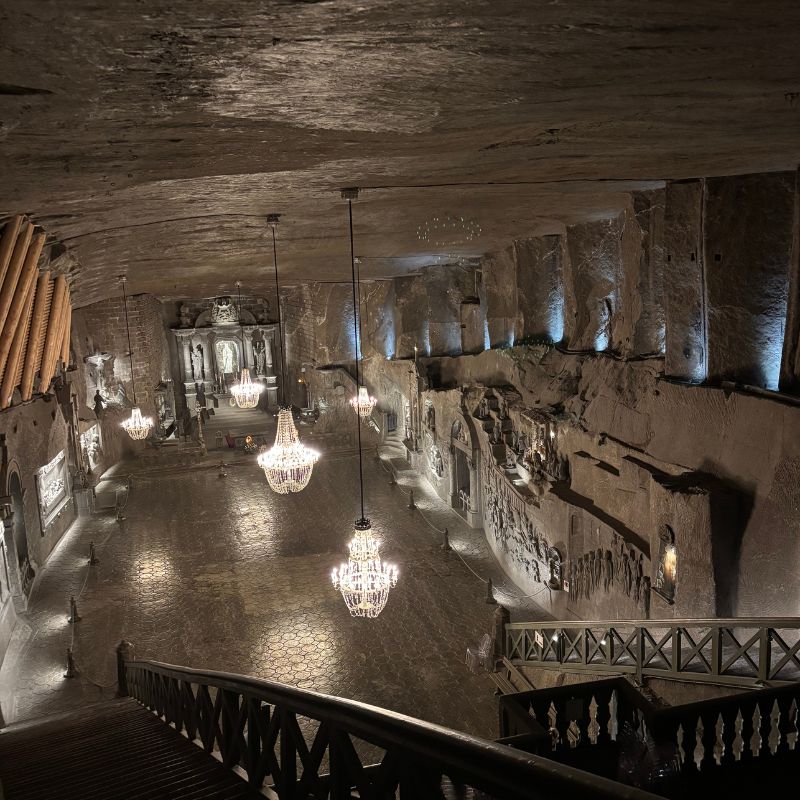
The Wieliczka Salt Mine constantly shifted my expectations, from carved salt sculptures to enormous underground chambers that felt more like cathedrals than a working mine.
Is the Wieliczka Salt Mine Worth It?
Absolutely.
This was probably the attraction I was most uncertain about before visiting. My thought process was simple: How exciting can a salt mine really be?
The moment the Wieliczka Salt Mine finally clicked for me wasn’t when I saw the first tunnel. It was when we entered one of the enormous multi-level chambers. Up until that point, I was enjoying the experience but still thinking of it as a mine.
Then I looked around and realized the scale of what had been built beneath the surface. The chamber stretched across multiple levels, walkways crisscrossed overhead, and massive open spaces disappeared into the darkness.
Suddenly, I found myself asking: How was this built? How does any of this stay standing? How many people worked down here? And how much of this have we not even seen?
That’s when it hit me that I wasn’t simply walking through a mine, I was exploring a massive underground infrastructure project that had evolved over centuries.
The highlight for many visitors is St. Kinga’s Chapel, but I was equally fascinated by the scale of the operation itself. In fact, I enjoyed the experience so much that if I return to Kraków, I would absolutely book the Miners’ Route Tour, which focuses more on the actual work of mining and explores less-developed sections of the mine.
One Thing That Stood Out: Safety
Every walking tour guide I encountered proudly mentioned how safe their city was.
For once, it didn’t feel like marketing.
It felt true.
Whether I was walking through Warsaw, riding public transportation, or wandering through Kraków after dark, I never felt uncomfortable.
As a solo traveler, that’s something I notice.
Poland felt incredibly safe while still feeling lively and welcoming.
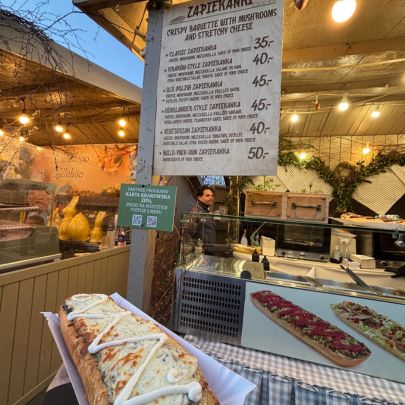
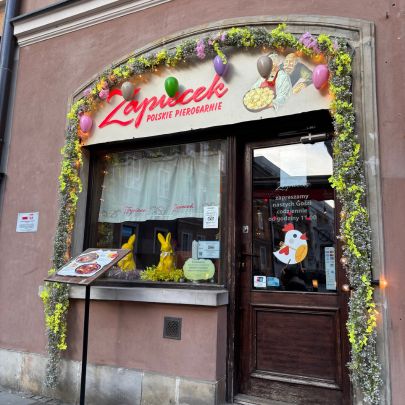
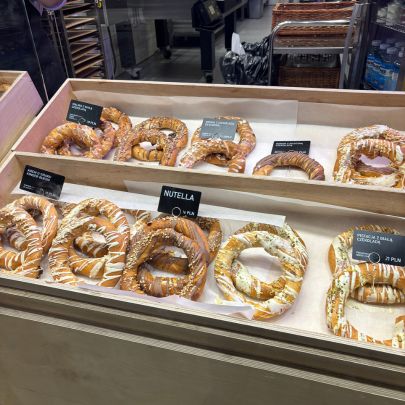
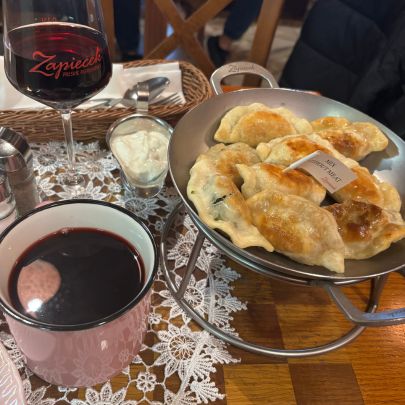
Exploring Poland’s food scene became an experience of its own. From iconic obwarzanek sold on street corners to traditional pierogi restaurants, every meal offered another glimpse into the country’s culture and history.
Why Poland Might Be the Perfect Introduction to Central Europe
When people start planning trips to Central Europe, destinations like Prague, Vienna, and Budapest tend to dominate the conversation. Poland, however, gave me many of the things I was looking for without some of the tradeoffs.
Beautiful historic squares, walkable cities, excellent food, fascinating history, affordable transportation, and perhaps most importantly, fewer crowds all made it an easy country to explore.
Kraków was certainly busy during Easter weekend, but it never felt overwhelming. If someone asked me for a first introduction to Central Europe, Poland would be near the top of my list.
Would I Return?
Without hesitation.
I’d happily spend more time in Kraków.
I’d love to visit Gdańsk.
And I’d gladly return to Warsaw to spend another day exploring its parks, neighborhoods, and riverfront.
Before this trip, Poland was simply the first stop on a larger Central Europe itinerary.
By the time I left, it had become one of the countries I was most excited to revisit.
In fact, if Slovenia hadn’t immediately stolen the spotlight on the next leg of my trip, Poland almost certainly would have been my biggest surprise of Central Europe.
Continue Exploring Central Europe
- Warsaw vs. Kraków: Which Polish City Should You Visit? — Compare the two cities that shaped my first impression of Poland.
- Slovakia: The Country I Knew Almost Nothing About — Another stop that challenged how much—or how little—I knew before arriving.
- I Thought Slovenia Was a Stop. It Should Have Been the Trip. — The destination I’d give considerably more time on a return visit.
- What I Learned After Two Weeks in Central Europe — The planning lessons I took away from the journey.