How I’d Plan My First Trip to El Salvador Today
This post is part of my Central America series, following a three-week trip through Panama, Costa Rica, Nicaragua and El Salvador. I share what we did, how I handled transportation and planning, and what I’d do differently next time. You’ll find related guides in the Explore Central America section at the end.
Five days was enough to convince me that El Salvador deserves far more attention than it gets.
When I first planned my Central America itinerary, I treated El Salvador as the final stop on a three-week journey through the region. By the time I flew home, I realized I’d learned just as much about how to plan an El Salvador itinerary as I had about the destinations themselves.
Rather than giving you one fixed itinerary, think of this as a planning guide. Every traveler is different, and El Salvador is surprisingly easy to customize depending on whether you’re drawn to history, volcanoes, beaches, hiking, or slower colonial towns.
Planning a First Trip to El Salvador at a Glance
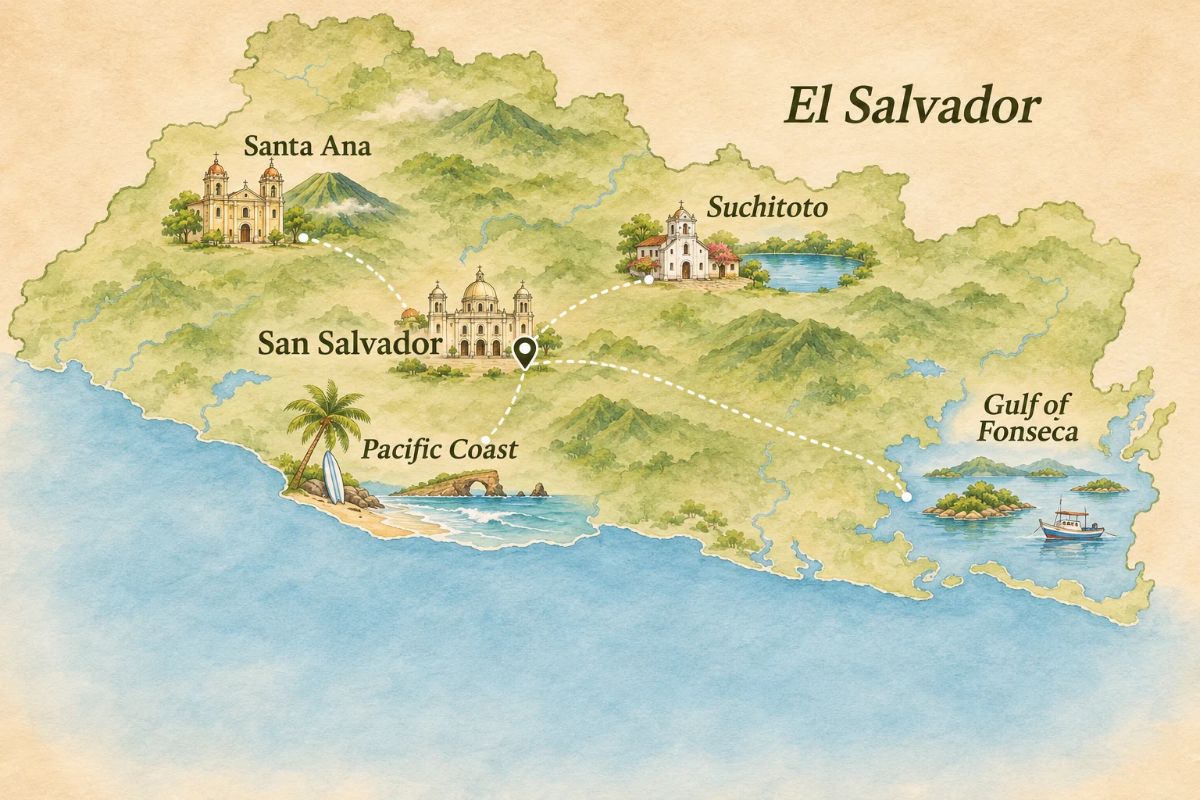
My starting point: Two days in San Salvador for the historic center, a walking tour and an introduction to the country’s history.
For volcanoes and mountain towns: Head west to Santa Ana, with time for the volcano hike and Ruta de las Flores.
For a different pace: Consider the Pacific coast for surfing and sunsets, or research Suchitoto for historic streets, arts and lake views.
How much time: With five days, I’d focus on San Salvador and Santa Ana. With a week or longer, give Ruta de las Flores more time before adding another region.
Before choosing your bases: Check transportation between stops. My firsthand experience covers San Salvador, Santa Ana and a brief Juayúa visit; the other regions are ideas for a future trip.
Start in San Salvador: Historic Landmarks and Nearby Day Trips
Recommended stay: Two full days, with additional time for archaeological outings.
I’d begin in San Salvador, giving myself time to explore the capital before continuing elsewhere. A walking tour helped me connect the places I was seeing with the country’s history, and it’s something I’d prioritize early in the stay.
The historic center brings together the National Palace, Metropolitan Cathedral, Iglesia El Rosario and BINAES. I particularly enjoyed the contrast between the modern library and the older landmarks around it. Rather than rushing through a checklist, I’d leave time to step inside buildings, explore the plazas and follow up on places that caught my attention during the tour.
El Boquerón National Park is the nearby outing I’d consider alongside that city time. Its views into the crater of San Salvador Volcano offer a different landscape from the streets below. I visited during my stay and appreciated having both experiences within the capital portion of my trip.
Joya de Cerén and San Andrés would be options for an additional day focused on archaeology. Joya de Cerén is known for its preserved remains of everyday Maya life, while San Andrés offers a look at a ceremonial center. I’d research visiting them together, checking transportation and opening arrangements before adding them to the schedule.
After that introduction, I’d choose the next base around what I wanted most from the trip: hiking and mountain towns, time by the Pacific or a quieter historic town.
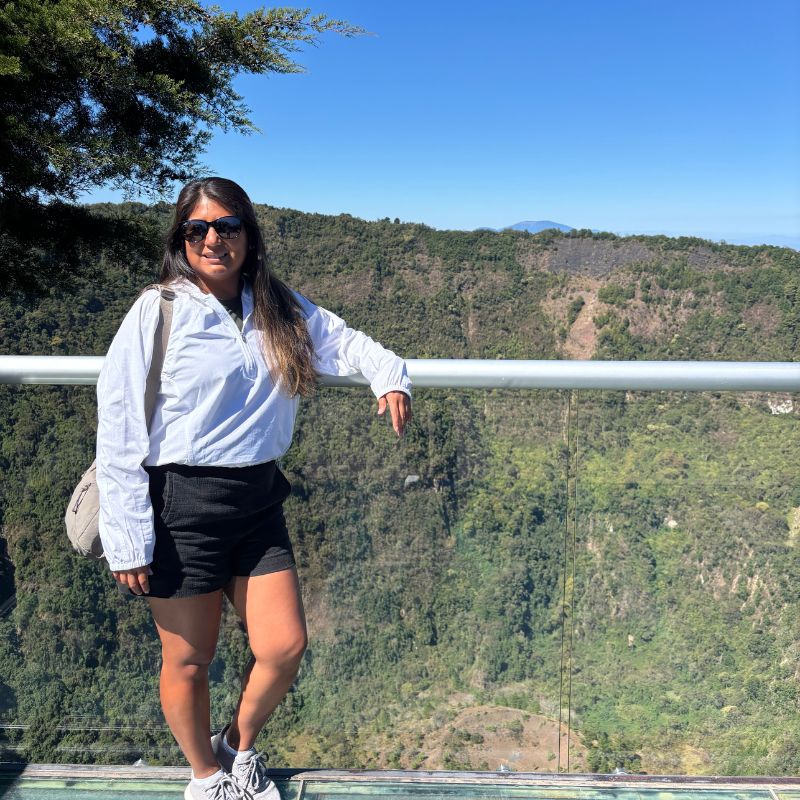
Western El Salvador quickly became my favorite part of the country, combining volcanic landscapes, scenic viewpoints, and charming colonial towns into an itinerary that felt both adventurous and easy to explore.
Santa Ana: A Base for Volcanoes, Mountain Towns and Western El Salvador
Getting there: My bus journey from San Salvador took about an hour and a half.
Santa Ana is where I’d spend the largest share of a first trip focused on hiking, history and mountain towns. I enjoyed its calmer pace after the capital, and staying near the historic center made it easy to walk to the cathedral, theater, markets and cafés. I’d also make time for a walking tour, which became a memorable part of my own stay.
Santa Ana Volcano would be my priority excursion. The turquoise crater lake was one of the standout views of my Central America trip, but I’d give the hike a proper place in the schedule rather than squeeze it between other plans. I found the rocky sections demanded attention, especially on the descent, and appreciated having sturdy footwear.
Ruta de las Flores deserves more time than the afternoon I gave it. My brief visit to Juayúa left me curious about the other towns, including Ataco and Apaneca. With one available day, I’d compare guided outings from Santa Ana to simplify the transportation. With several days, I’d consider staying along the route itself rather than visiting everything from the city.
Lake Coatepeque would be an option to research for a gentler day between hikes, with time for a waterfront meal or an outing on the water. I didn’t visit during this trip, so I’d check transportation before adding it to the itinerary.
Tazumal was an archaeological outing I took from Santa Ana, adding another dimension to a stay otherwise focused on the city and volcanic scenery. I’d consider it if you want to include some of El Salvador’s ancient history while based in the west.
For more hiking, I’d research additional trails around Cerro Verde before committing to another base. El Imposible National Park would be a separate planning decision, with its location and transport needs considered carefully rather than treated as a quick addition from Santa Ana.
I’d choose a few of these outings and protect some time in the city itself. Santa Ana worked well for me because I enjoyed returning there, not simply because it put excursions within reach.
El Salvador’s Pacific Coast: Choose a Beach Base for Surfing and Sunsets
If the ocean is a priority, I’d give the Pacific coast its own place in the itinerary rather than assume it belongs in a spare afternoon. El Tunco, El Sunzal and El Zonte would be starting points for my research, with the choice depending on whether I wanted to surf, spend time around cafés and restaurants or settle into accommodation with a view.
I didn’t include this coast in my five-day trip, so I’d compare the towns before choosing a base. As someone who doesn’t drive, I’d pay particular attention to what I could reach on foot and how I’d travel between beaches. Staying near the water wouldn’t necessarily mean having everything I wanted within walking distance.
I’d also distinguish a surf trip from the beach holiday I usually imagine. If swimming, soft sand or pool time mattered more to me than catching waves, I’d check the specific beach conditions and hotel facilities rather than choose somewhere on its surfing reputation alone.
Once settled, I’d leave room for simple days: a surf lesson if it appealed, an outing to another beach or a long meal overlooking the water. For a shorter visit, one well-chosen coastal base would appeal to me more than moving between several towns just to say I’d seen them.
Suchitoto: Historic Streets, Indigo Workshops and Lake Views
Suchitoto is one of the places I’d be most interested in adding on a return to El Salvador. I didn’t visit during my five days, but its combination of historic architecture, arts and views over Lake Suchitlán appeals to the way I enjoy exploring: walking, stopping somewhere that catches my attention and leaving time for an unhurried meal.
Indigo workshops would give me a reason to plan an activity alongside the wandering. I’d research opportunities to learn about the dyeing process, then build the rest of the stay around the town itself. That mix of a specific experience and open time sounds more appealing to me than arriving with a long sightseeing list.
Lake Suchitlán would be another possibility, particularly for a boat outing. If nearby waterfalls interested me, I’d check seasonal conditions and access before including them rather than assume they would offer the same experience year-round.
I’d consider Suchitoto as an overnight stop if I had enough time to enjoy a quiet evening and the following morning. On a shorter itinerary, I’d compare a day visit with the cost of adding another base. The reason I’d go is to enjoy the slower pace, so I’d want the schedule to support that.
The Gulf of Fonseca: An Eastern Extension for a Longer Trip
The Gulf of Fonseca would be an option I’d research if I had more time in El Salvador and wanted to explore beyond the western route I followed. The coastal scenery, fishing communities and possibilities for island outings offer a different focus from the cities and volcanoes that shaped my first visit.
La Unión would be my starting point for planning, looking at accommodation, boat excursions and how I’d reach the places that interested me. I haven’t visited this region, so I’d want a clearer picture of those arrangements before deciding how many nights to give it, particularly while traveling without a car.
For anyone considering it as part of an onward journey to Honduras or Nicaragua, I’d check current border requirements and transport services separately. Being close to another country doesn’t necessarily make the connection straightforward or mean a suitable service runs on your travel dates.
For a first trip of five to seven days, I’d prioritize the regions I was most excited about rather than stretch the route east simply to cover more ground. The Gulf of Fonseca could deserve a place on a longer itinerary, but I’d include it for the experiences I wanted there and allow enough time to enjoy them.
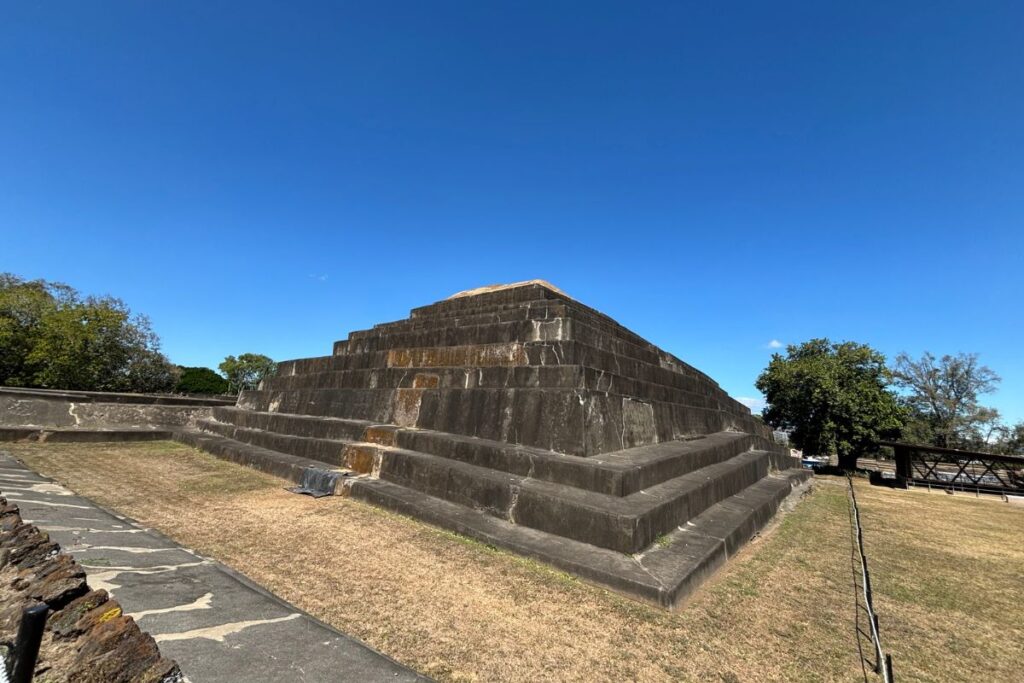
Visiting Tazumal from Santa Ana added an archaeological stop to my trip, alongside the cities and volcanic landscapes I explored.
How Many Days in El Salvador? Build Your Route Around Your Priorities
My five-day trip showed me how much variety I could enjoy with just two bases. It also helped me recognize where another day would have made a difference. I’d use extra time to give the places that interest you most a fuller visit before adding another region.
With five days, San Salvador and Santa Ana would still be my starting recommendation for a trip focused on history and hiking. Give the capital time for its historic center, then head west for Santa Ana Volcano and some exploring around the city itself.
With seven to eight days, I’d give Ruta de las Flores more attention. You could take a full-day outing from Santa Ana or consider staying along the route if the towns are a main reason for visiting. My brief afternoon in Juayúa was the part of my trip I most wanted to extend.
With ten days or more, I’d consider adding Suchitoto or a Pacific coast base, depending on whether historic streets and arts or surfing and ocean views appealed more. I’d leave the Gulf of Fonseca for a trip where exploring the east was a clear priority.
Traveling without a rental car worked for my route, using a local bus between San Salvador and Santa Ana and Uber for some other journeys. For a wider itinerary, I’d check each connection before booking accommodation, especially if I wanted to visit several smaller towns or stay out for sunset.
Choose the experiences you’re most excited about, then give them enough time to make the journey worthwhile. For me, that means keeping the mix of cities and outdoor activities I enjoyed, while leaving more room for western El Salvador on a return visit.
Explore Central America
- 5 Days in El Salvador: Start with the actual trip behind the planning changes I’d make.
- Granada: Why It Was the Perfect Base for Exploring Nicaragua: Consider a neighboring country where one well-chosen base supported several days of exploring.
- If I Went Back to Panama, Here’s How I’d Plan My Trip: Compare another itinerary shaped by what I learned during a first visit.
- 100,000 Points: Weekend Edition – San Salvador: Look at the flight and accommodation side of putting a shorter trip together.