El Calafate Was My Introduction to Patagonia—Now I Want More
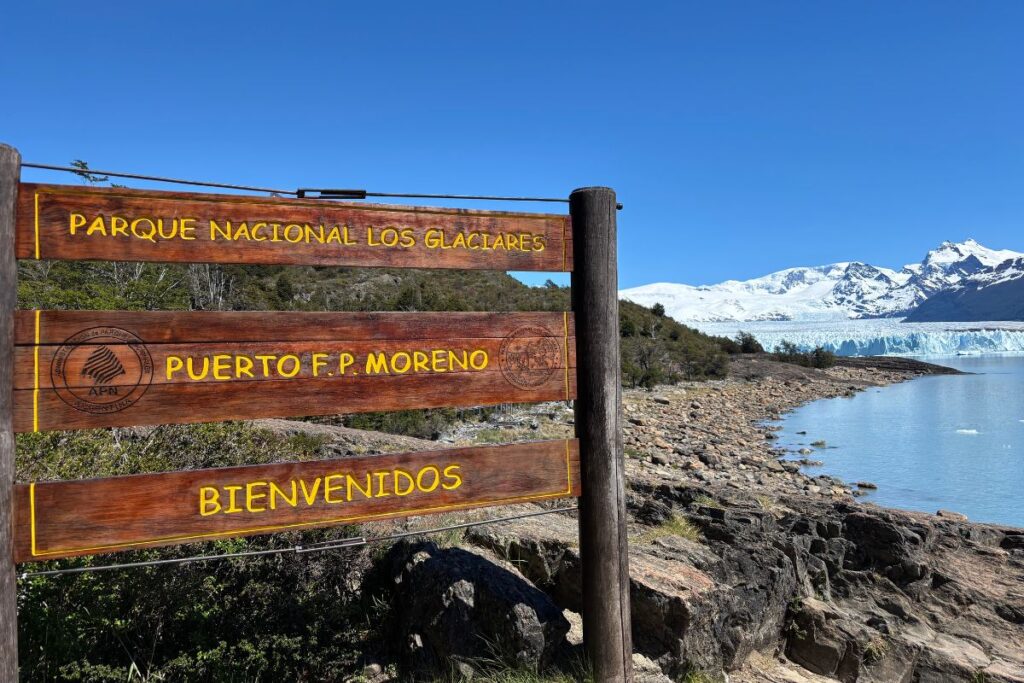
After exploring the destinations on my Argentina Beyond Buenos Aires: Where I’d Go Next shortlist, I couldn’t stop thinking about one place: El Calafate. It completely changed the way I thought about Patagonia.
Before planning my trip to Argentina, I had already decided that Patagonia probably wasn’t for me.
In my mind, Patagonia belonged to more experienced adventurers, the kind of travelers who owned technical gear, carried overnight packs, and knew exactly how to prepare for unpredictable weather. I enjoy hiking, but I had no interest in building an entire trip around heavy coats, specialized equipment, or multi-day treks.
The only real gear I wanted to bring was a pair of hiking boots.
Thankfully, very early in my search, I stumbled across El Calafate.
It seemed like an easier introduction to the region: a small town I could reach by plane, a famous glacier nearby, and activities that didn’t require me to sleep outdoors or carry everything on my back.
Even then, I wasn’t completely convinced.
Was I choosing a tiny town with very little to do? How magnificent could a glacier really be? Would I arrive, see it once, and wonder why I had flown all the way to Patagonia?
Then I found award availability.
At that point, my research ended. I stopped asking questions, booked the flight, and decided I would figure out the rest once I got there.
That decision introduced me to a version of Patagonia I hadn’t realized existed, one that felt accessible, exciting, and far less intimidating than I had imagined.
Why I Chose El Calafate
My first trip to Argentina was already centered around Buenos Aires, and I knew I only wanted to add one additional region.
Argentina is enormous, and every destination I considered seemed to require another flight. Exploring multiple regions would often mean routing back through Buenos Aires between stops, and I was trying to avoid spending too much of the trip backtracking through the same airport. Mendoza offered wine and the Andes. Iguazú had one of the world’s most famous waterfalls. Salta and Jujuy looked completely different from anywhere else on my itinerary.
But El Calafate kept pulling me back.
It offered something I couldn’t experience in Buenos Aires: glaciers, wide-open landscapes, and my first glimpse of Patagonia.
Just as importantly, it seemed manageable.
I wouldn’t need to rent a car. I wouldn’t need to plan a multi-day hiking route. I could fly in, stay in town, and arrange excursions from there. For someone who wasn’t yet sure whether Patagonia matched her travel style, El Calafate felt like the safest way to find out.
I booked four nights, giving myself enough time to see Perito Moreno Glacier without turning the visit into another rushed stop between airports.
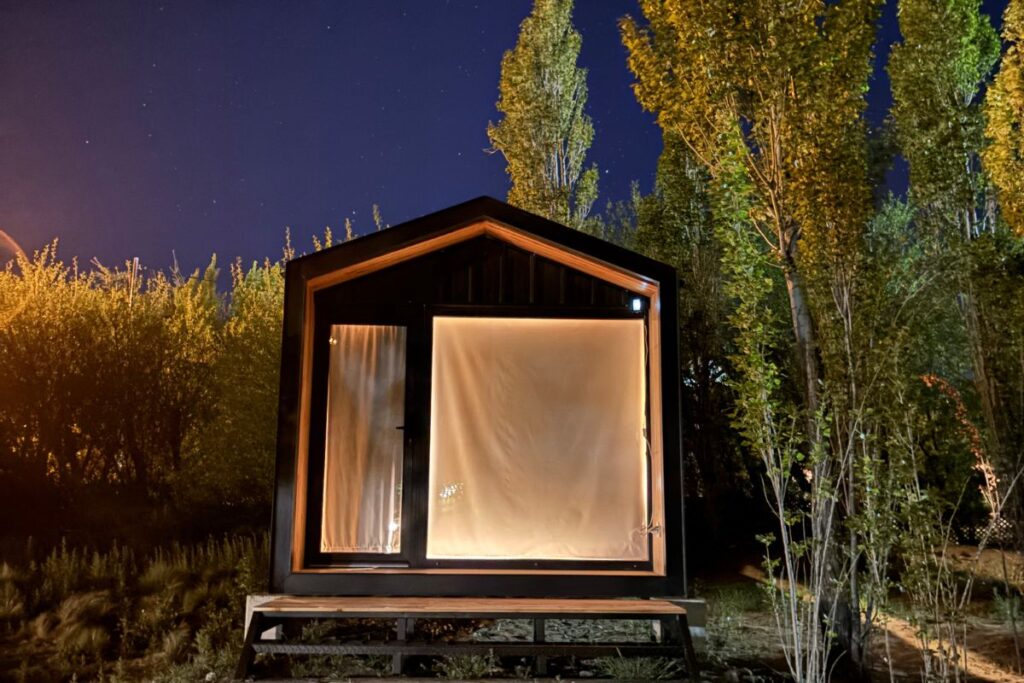
This cozy cabin became the perfect home base for exploring El Calafate and served as a reminder that where you stay can shape the entire travel experience.
Where I Stayed in El Calafate
If you’re visiting El Calafate without a rental car, where you stay matters.
Most of the town’s restaurants, cafés, travel agencies, and shops are concentrated along Avenida del Libertador San Martín, the town’s main street. Staying within a few blocks of it makes it easy to walk to dinner, book excursions, or pick up anything you forgot without constantly relying on taxis.
I stayed at Hostería Hainen, which also appears on some booking sites as Hainen by DOT Tradition. While it isn’t directly on Avenida del Libertador, it’s only about a 10-minute walk from the center of town, and I never found the distance inconvenient.
When I booked the hotel, I honestly didn’t think much about the property itself. My biggest priority was simply finding somewhere with consistently good reviews that I could comfortably walk to and from each day.
What I didn’t expect was how much I’d love the room.
Instead of a standard hotel room, I was assigned one of the property’s detached cabins. From the moment we walked outside, I knew it was going to be different.
The cabin was compact but thoughtfully designed, with a queen-size bed, a modern bathroom, heating and air conditioning, and a cozy contemporary interior that felt perfectly suited to Patagonia. After long days exploring glaciers and the surrounding landscapes, returning to a quiet standalone cabin somehow made the entire experience feel even more special.
If you’re considering staying here, I’d absolutely recommend requesting one of the detached cabins if they’re available. It ended up being one of my favorite hotel stays of the entire Argentina trip.
Explore Hainen by DOT Tradition and check current rates →
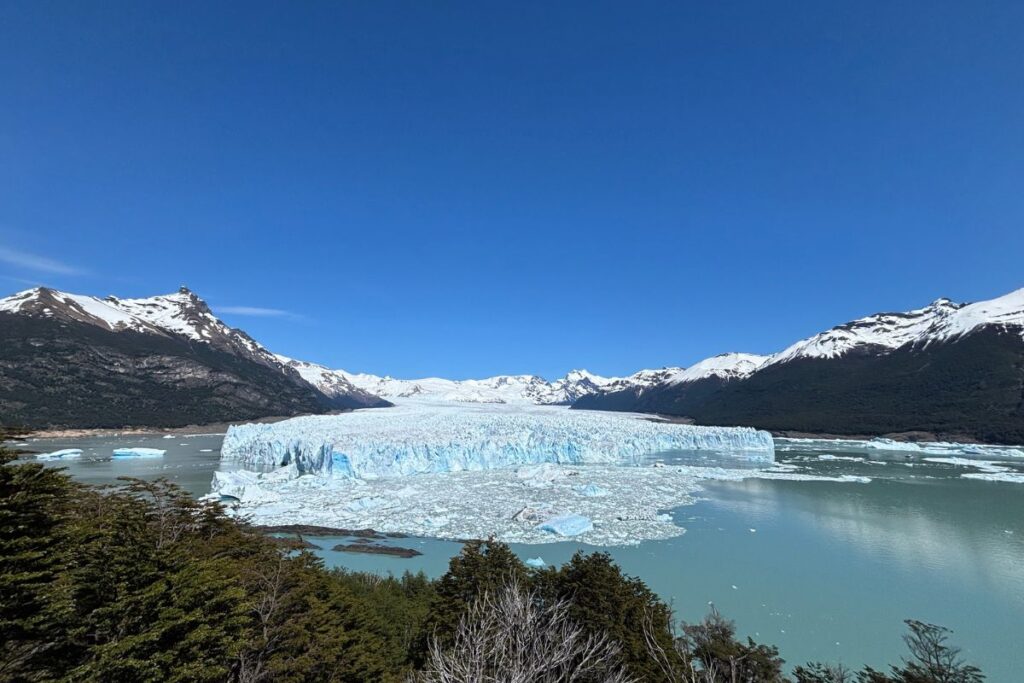
The sheer size of Perito Moreno Glacier is difficult to appreciate until you’re standing in front of it, listening to the ice crack and watching chunks fall into the lake.
Perito Moreno Glacier Was Better Than I Expected
Perito Moreno Glacier was the reason I came to El Calafate, but I still didn’t fully understand what I was going to see.
I knew it was enormous. I had seen the photos. I understood that it was one of Argentina’s most famous natural attractions.
None of that prepared me for its scale in person.
One thing I hadn’t figured out before arriving was how I wanted to experience it.
Unlike many attractions with a single standard tour, Perito Moreno can be experienced several different ways. As you walk along Avenida del Libertador San Martín, you’ll find travel agencies selling excursions that combine transportation, park admission, boat rides, ice trekking, and guided experiences at a range of price points.
I hadn’t booked anything in advance because I wasn’t sure which option I wanted. Once I arrived, I simply walked into an agency and booked the most common package: round-trip transportation, park admission, and the optional ferry ride that brings you closer to the glacier.
It was incredibly easy to arrange, and if that’s the option you choose, you’ll still have an amazing day.
My only caveat is that most standard excursions allow just four to five hours inside the park.
For me, it wasn’t enough.
I found myself constantly checking the time instead of enjoying the experience. The boardwalk system has multiple routes and viewpoints, and I felt like I was rushing from one overlook to the next before the bus departed.
At one point I even questioned whether I should have skipped the ferry to give myself more time on the trails.
I’m so glad I didn’t.
Seeing the glacier from lake level, surrounded by floating blue icebergs, completely changes your perspective. The color of the ice is even more vibrant up close, and its scale somehow feels even more impressive than it does from the boardwalks.
It ended up being one of my favorite experiences from my entire South America trip.
Ironically, the ferry wasn’t the problem.
The problem was simply not having enough time.
If I were planning the trip again, I’d organize my own transportation instead of joining a standard half-day excursion. I’d arrive when the park opens, stay until closing, and spend the entire day exploring the boardwalks, waiting for the glacier to crack, and taking in the views without ever looking at my watch.
And after spending the day there, I understood why so many people return more than once.
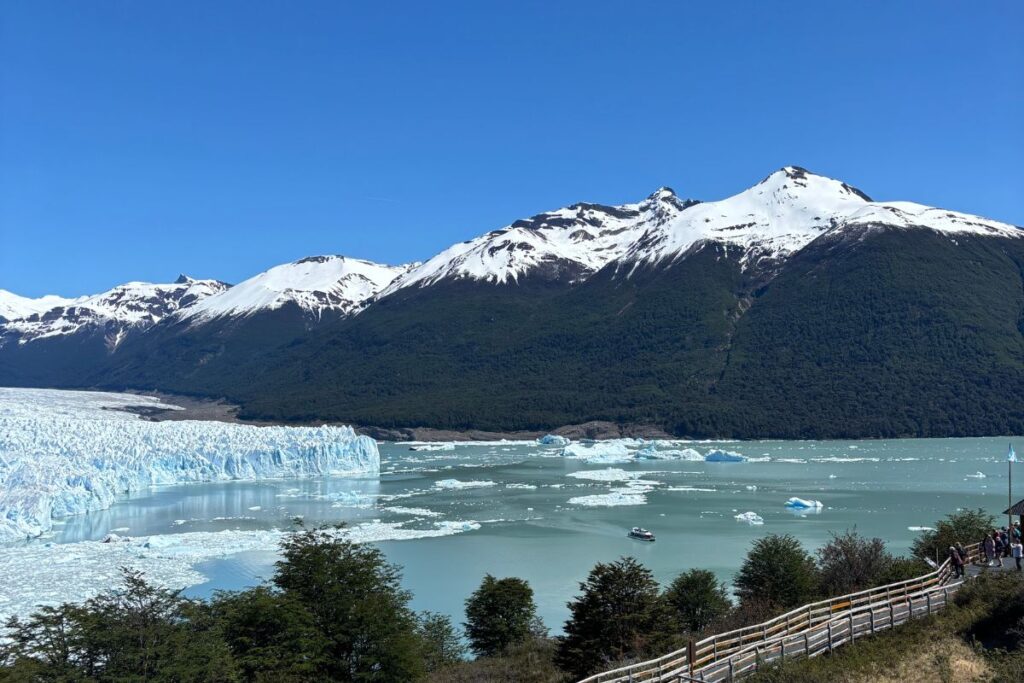
From the viewing platforms, it becomes easy to appreciate both the immense scale of Perito Moreno Glacier and the rugged Patagonian scenery surrounding it.
Why Perito Moreno Glacier Left Such an Impression
The glacier doesn’t look like a frozen object sitting quietly in the landscape.
It feels alive.
You hear it before anything happens.
A deep crack echoes across the ice, and everyone nearby stops what they’re doing, looking toward the glacier to see whether a piece will fall. Sometimes nothing happens. Other times, a section breaks away and crashes into the water below.
The anticipation becomes part of the experience.
I could have spent hours simply moving between the different viewpoints, listening for those sounds, and trying to understand how something so massive could still appear to be constantly changing.
One of the things I appreciated most was how accessible the experience is. I didn’t need to complete a difficult hike or carry specialized equipment to experience one of the world’s most impressive glaciers. The extensive boardwalk system makes it possible for almost anyone to enjoy the scenery from multiple angles.
That accessibility didn’t make the experience feel any less adventurous.
If anything, it reinforced something I would continue to learn throughout Patagonia:
Adventure doesn’t have to be difficult to be unforgettable.
This is one of those places where one visit is never enough. I would return to Perito Moreno Glacier without hesitation—not because I felt like I missed something, but because I can’t imagine ever getting tired of standing in front of it, waiting for the next crack to echo across the ice.
Patagonia Isn’t Only for Serious Hikers
Before El Calafate, I associated Patagonia almost entirely with major hiking routes.
I pictured travelers heading to El Chaltén to hike near Mount Fitz Roy, crossing into Chile for the W Trek, or carrying camping equipment through landscapes that required far more preparation than I wanted to do.
Those experiences are part of Patagonia, but they aren’t the only way to experience it.
In El Calafate, I met travelers with completely different plans.
Some had come only to see Perito Moreno Glacier. Others were taking boat tours across Lago Argentino. Some were continuing to El Chaltén or Ushuaia, while others were returning to Buenos Aires after a few days.
Not everyone was an expert hiker.
Not everyone had arrived with technical gear.
Some people were simply curious about the region and had chosen the version of Patagonia that worked for them.
That was exactly what I had done, even if I hadn’t realized it while planning.
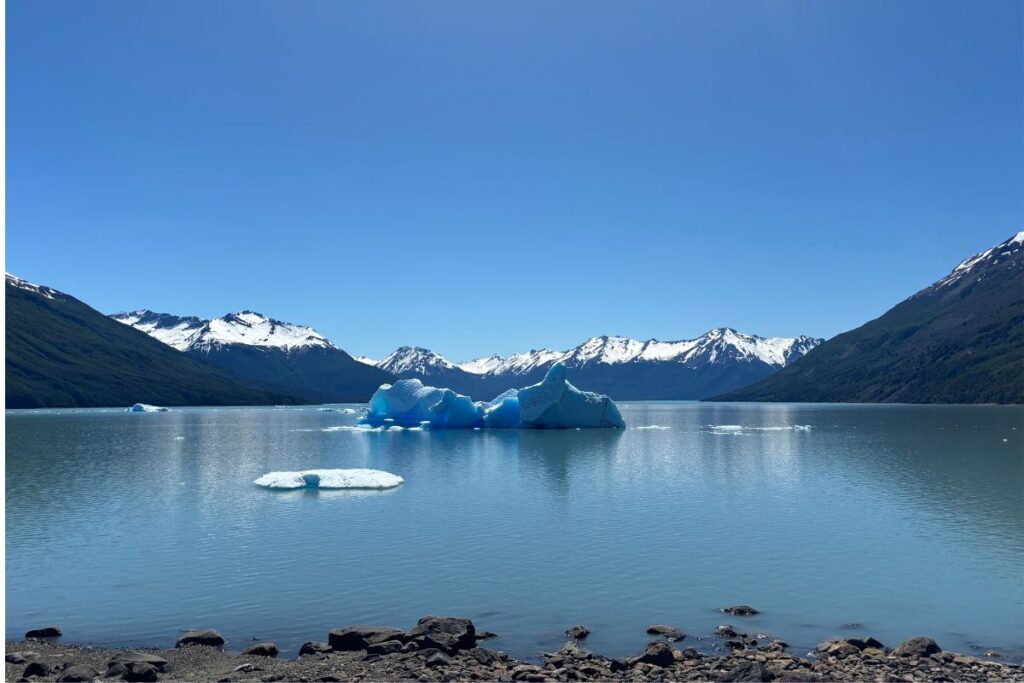
The conversations I had in El Calafate made me realize that seeing one corner of Patagonia only made me want to return and explore the rest.
The Conversations That Changed My Mind
One of the biggest surprises came from talking to other travelers.
Before this trip, I assumed that people visiting El Chaltén either arrived with a group of experienced hikers or planned to complete the trails independently. As a solo traveler who had never visited the area, neither option felt especially appealing.
Then I learned that many solo travelers simply joined guided hikes.
That possibility had somehow never occurred to me.
They weren’t necessarily expert hikers. They didn’t all know the trails in advance. They had found a guided option, joined a group, and experienced the landscape with someone else handling the logistics.
Suddenly, El Chaltén felt achievable.
The same thing happened when I heard people talk about Ushuaia and Torres del Paine. These places stopped feeling like destinations reserved for more adventurous travelers and started feeling like trips I could plan differently.
I didn’t have to transform into someone who wanted to camp for a week.
I just had to find the version of the experience that worked for me.

El Calafate may be known as the gateway to Perito Moreno Glacier, but its relaxed atmosphere makes it worth slowing down and enjoying the town itself.
More Things to Do in El Calafate
While Perito Moreno Glacier is undoubtedly the main attraction, I was pleasantly surprised by how much I enjoyed spending time in El Calafate itself.
Most evenings, I found myself wandering along Avenida del Libertador San Martín, browsing the local craft and souvenir shops before deciding where to have dinner. Despite being a relatively small town, there are plenty of restaurants to choose from, along with grocery stores if you want to stock up on snacks or cook a few meals yourself.
If you have some free time, I’d also recommend walking down Avenida Costanera Presidente Néstor Kirchner, the road that follows the shoreline of Lago Argentino. The walk stretches well beyond the town center and offers beautiful views of the lake, eventually leading to the large El Calafate sign. Along the way you’ll pass wetlands that are home to a variety of birdlife—including flamingos if you’re lucky—as well as the nearby Reserva Laguna Nimez, a 3-kilometer nature trail that’s one of the area’s most popular activities outside of the glacier itself.
Although most people come to El Calafate for a single unforgettable day at Perito Moreno, I appreciated that there was enough to fill the rest of my time without feeling like I needed to rush off to the next destination.
El Calafate Was the Right First Step
Looking back, El Calafate was probably the best place I could have chosen for my first experience in Patagonia.
It gave me the dramatic scenery I had hoped for without requiring me to build the entire trip around hiking. The logistics were straightforward, the town was easy to navigate, and the main attraction was accessible even without specialized gear.
It also gave me something more valuable than a checklist of things to do.
It gave me confidence.
Before the trip, I wasn’t sure whether I belonged in Patagonia. Afterward, I wasn’t asking whether I could handle another trip there.
I was deciding where I wanted to go next.
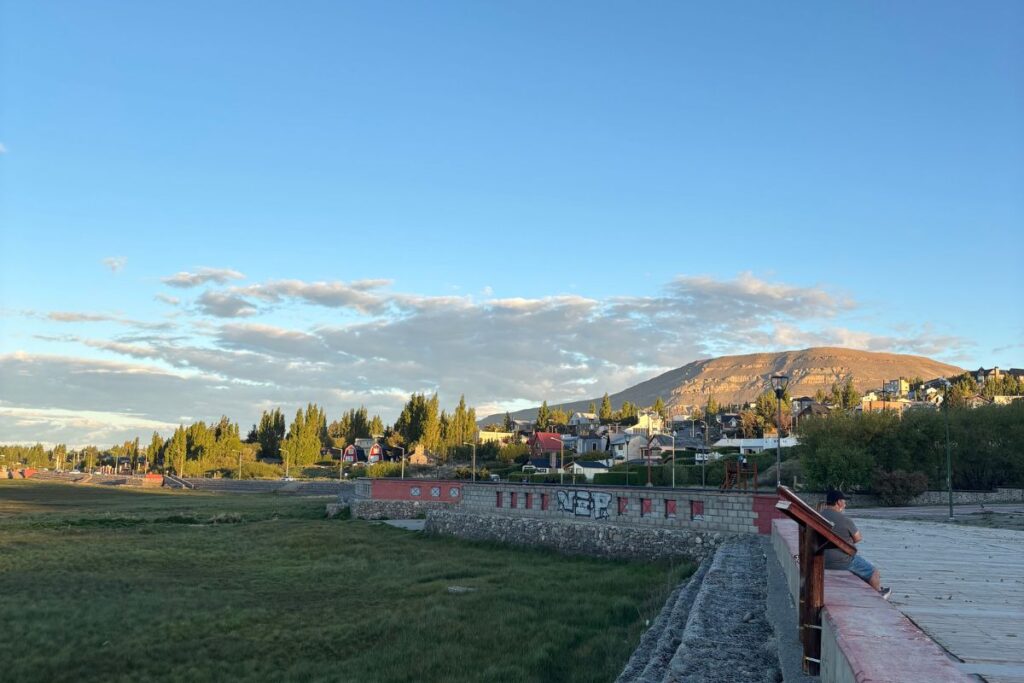
Watching the sun set over El Calafate, I realized this wasn’t the end of my Patagonia story, it was only the beginning.
What I Would Do on My Next Patagonia Trip
El Chaltén would probably be my first priority.
Now that I understand how many guided options exist, I would be much more comfortable joining a hike rather than assuming I needed to navigate the trails alone. I would want enough time to try a longer route while still leaving room for shorter walks and unpredictable weather.
Ushuaia would also be high on the list. The idea of traveling to the southern edge of Argentina, surrounded by mountains and water, feels completely different from El Calafate.
And then there is Torres del Paine.
Before this trip, the W Trek sounded like something meant for other people. I still don’t know whether I would ever want to complete the full route, but I no longer assume that visiting the park requires committing to a multi-day trek. A guided day hike or shorter stay could still allow me to experience the landscape.
That is the biggest thing El Calafate changed.
I stopped thinking of Patagonia as one specific type of trip.
Is El Calafate Worth Visiting?
Absolutely.
El Calafate isn’t the place to visit if your only goal is to complete Patagonia’s most challenging hikes. It is a gateway, a comfortable base, and one of the easiest ways to experience the region’s famous landscapes for the first time.
The town itself may not need a full week, but Perito Moreno Glacier alone justified the trip for me. More importantly, El Calafate gave me a way into a region I had previously assumed was too intimidating.
It didn’t show me all of Patagonia.
It showed me that I wanted to see more.
Final Thoughts
Before this trip, Patagonia felt like somewhere other people went.
Experienced hikers.
Adventure travelers.
People with heavy packs, technical clothing, and years of trekking experience.
El Calafate changed that.
It showed me that Patagonia isn’t a single experience. It is a vast region with different landscapes, different levels of difficulty, and something for travelers who want adventure without turning every day into an endurance test.
I arrived with one pair of hiking boots, very little research, and no clear idea of what to expect.
I left thinking about El Chaltén, Ushuaia, Torres del Paine, and all the places I had once assumed weren’t for me.
I went to El Calafate to see a glacier.
I left wanting a full Patagonia trip.
Next Up: I Added Uruguay Because It Was So Easy From Buenos Aires
My trip from Patagonia back across the continent. A quick ferry brought me to Montevideo, where a convenient side trip became one of the biggest surprises of my South America itinerary.
Continue Exploring
- What to Do in Buenos Aires: A Realistic First Visit — Start with a realistic look at how to spend your first few days in Buenos Aires and which parts of the city are worth making time for.
- Day Trips from Buenos Aires Worth Adding to Your Itinerary — See what you can explore beyond Buenos Aires without changing hotels, from easy escapes across Argentina to a quick trip into Uruguay.
- Argentina Beyond Buenos Aires: My Shortlist for Next Time — If Buenos Aires is only the beginning, explore the Argentine destinations I’m considering for a future trip and how they could fit into a larger itinerary.
- I Added Uruguay Because It Was So Easy From Buenos Aires — If you’re already visiting Buenos Aires, see why the easy ferry connection convinced me to add a few days in Uruguay to the same trip.