How to Start Planning a Trip When the Destination Feels Overwhelming
Some Trips Feel Harder to Start
Some trips feel harder to bring to life than others, and I don’t think that feeling ever fully goes away, even when you’ve planned a lot of travel.
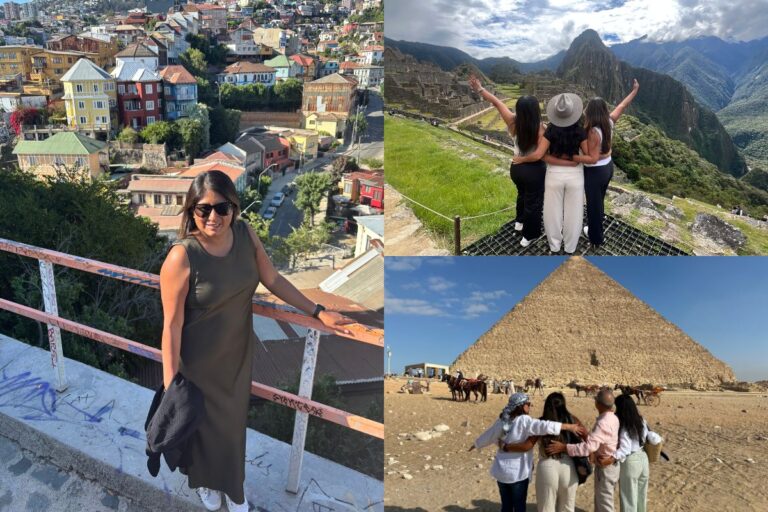
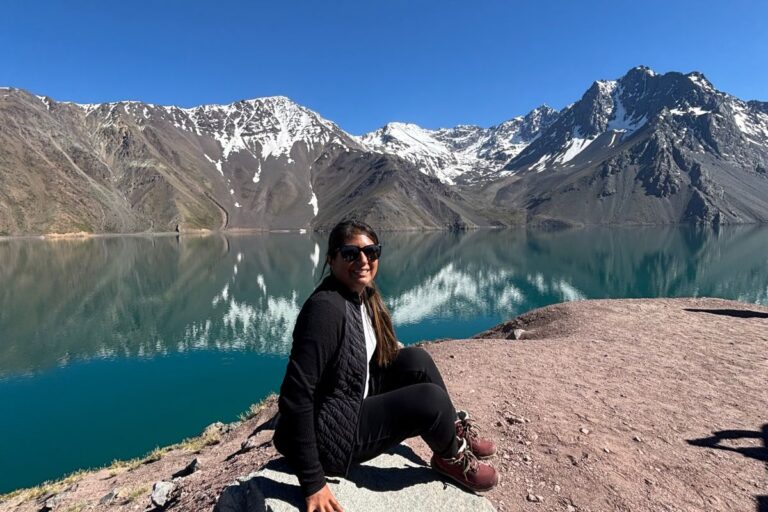
For me, Europe, especially cities like London or Paris, has become relatively easy to plan. Even parts of Central and South America now feel more familiar after several recent trips. I understand the general rhythm: how I’ll get around, what transportation might look like, how much I can reasonably fit into a day, and which questions I need to answer before I book anything.
But give me a destination where I have very little experience, and suddenly the planning feels different.
That was Egypt and Jordan for me. I wasn’t just deciding what I wanted to see. I was trying to understand transportation between cities, local customs, visa requirements, how much time we needed in each place, and whether it made sense to plan everything independently or get help with some of the logistics.
None of those things made the trip inaccessible. I simply didn’t have the mental framework I already had for somewhere like London or Paris.
Egypt had been on my bucket list for years. I grew up learning about ancient civilizations, the pyramids, and the Nile, and it always felt like one of those places I should eventually see. But it also felt expensive, complicated, and slightly out of reach, so I kept postponing it.
That changed when a friend mentioned that she really wanted to go.
Suddenly, Egypt wasn’t some hypothetical trip I might take someday. Someone had said, “Let’s do it,” and I finally had a reason to start figuring out how.
Once I did, the destination that had felt overwhelming for years became a series of much smaller questions I could actually answer.
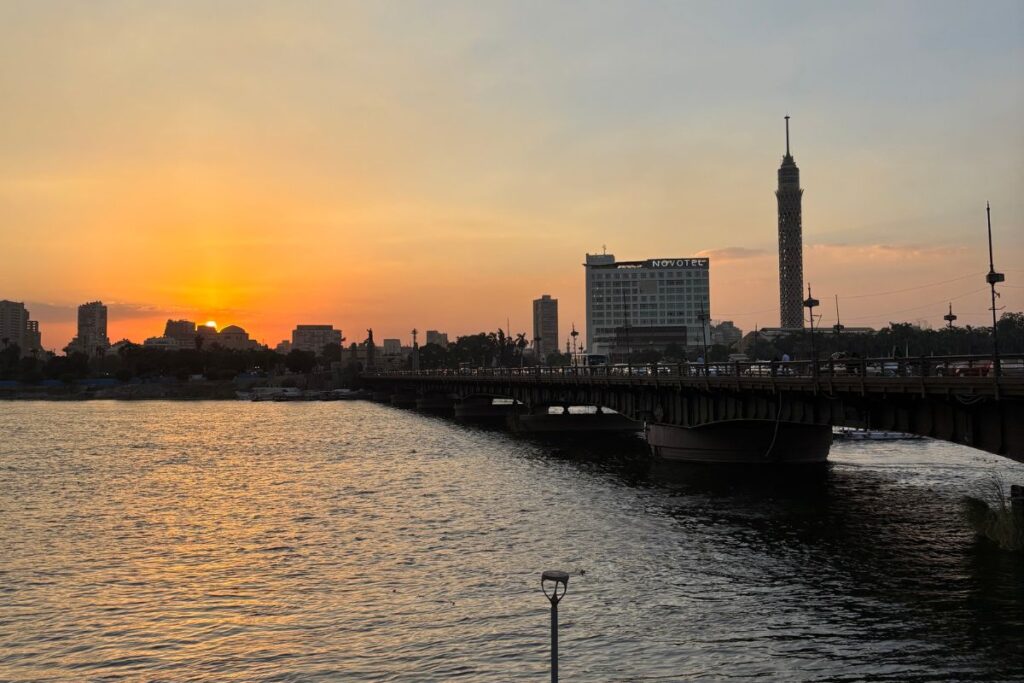
Sunset over the Nile in Cairo, with Cairo Tower rising above the city skyline.
Start With One Question
I didn’t start with flights.
I didn’t start with hotels.
I started with one simple Google search:
What is the best time to visit Egypt?
That one question shaped everything.
Once I understood the weather, I could narrow down when I actually wanted to go. October and November offered the warm temperatures I wanted without the extreme summer heat, and suddenly I wasn’t trying to plan a hypothetical trip across an entire year. I had a window to work with.
That’s something I still do when a destination feels overwhelming: instead of trying to answer every planning question at once, I look for the first decision that will narrow the rest.
For me, weather is usually that first filter. I’m not just looking at rainy versus dry season, I want to know what it will actually feel like to spend my days walking, sightseeing, and being outside.
But your reason for choosing when might be completely different. Maybe you’re traveling for a specific festival or event. Maybe you want peak summer weather and long days at the beach. Or maybe you’re looking for that sweet spot in shoulder season when the weather is still good but the biggest crowds have started to disappear.
I learned my own preference after traveling to Rome during a late-June heatwave. It was still an incredible trip, but it made one thing very clear: I don’t want to spend my summer sightseeing through Europe in extreme heat if I have another option.
Whatever your priority, figuring out when you want to go usually gives the rest of the trip some boundaries. Once I have that window, everything else, from flights and hotels to the itinerary itself, has a much clearer starting point.
You Don’t Have to Start From Scratch
Sometimes the first piece of a trip comes from something you already know.
Egypt became a real possibility because a friend wanted to go. Malaysia came together because another friend was already living there. Without those external anchors, I’m not sure I would have booked either trip when I did.
Other trips might start with fixed vacation dates, a destination wedding, a concert, a family visit, or simply someone saying, “Let’s go.” Having even one fixed element removes a surprising amount of friction because you’re no longer staring at an entirely blank page.
But you can also create that structure yourself.
On a couple of recent trips, including Cusco and Egypt, I used local companies to handle multiple days of sightseeing and logistics. In both cases, they took care of decisions that would have required considerably more research on my part: transportation, timing, guides, tickets, and how everything fit together.
That didn’t make those trips any less independent. It just meant I was selective about which parts I wanted to figure out myself.
You might be perfectly comfortable booking your own flights and hotels but want help navigating a complicated attraction. Maybe you’d rather join a guided itinerary for part of the trip and explore independently afterward. Or perhaps a cruise, organized tour, or completely DIY trip makes the most sense for you.
Travel isn’t one-size-fits-all, and neither is travel planning. You don’t get extra points for making a trip harder to plan than it needs to be.
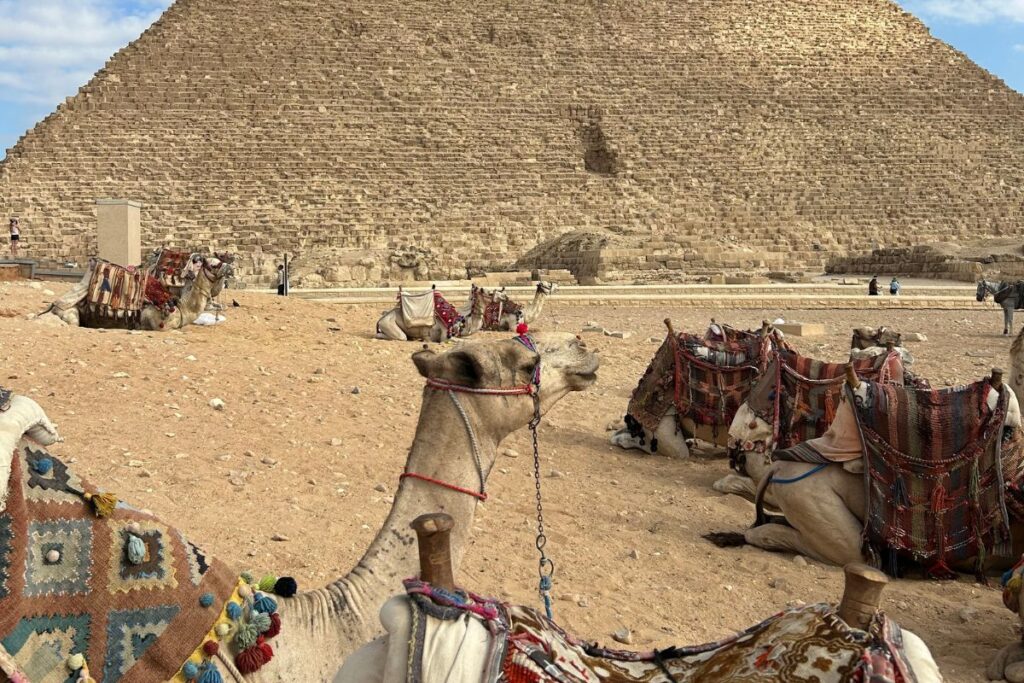
The pyramids were, of course, at the top of my Egypt list. The camels were a bonus.
Build the Trip Around One Thing
Over time, I’ve also stopped trying to answer every big planning question at once. Asking myself where to stay, how many days I need, how I’ll get around, and everything I should see can create its own version of analysis paralysis.
Instead, I try to start with something much more specific:
What’s the one thing I already know I want to do?
Maybe it’s seeing the pyramids in Egypt. Maybe it’s hiking around Lake Bled, spending a day at Disneyland Paris, going to a specific concert, or staying at a hotel I’ve wanted to experience for years.
That one thing doesn’t have to dictate the entire trip. It just gives me something to build around.
If I know I want to see the pyramids, I can start figuring out how much time I want in Cairo. Then I can ask what else makes sense nearby, whether I want to add Luxor, how I’ll travel between them, and eventually where I should fly in and out.
Each decision has context because I’m no longer trying to answer “How do I plan Egypt?” I’m answering a much smaller question about a trip that’s already beginning to take shape.
And sometimes that first anchor changes as I research. That’s fine. The point isn’t to create the perfect itinerary with the first decision. It’s to give myself somewhere concrete to start instead of trying to understand an entire destination before I allow myself to plan it.
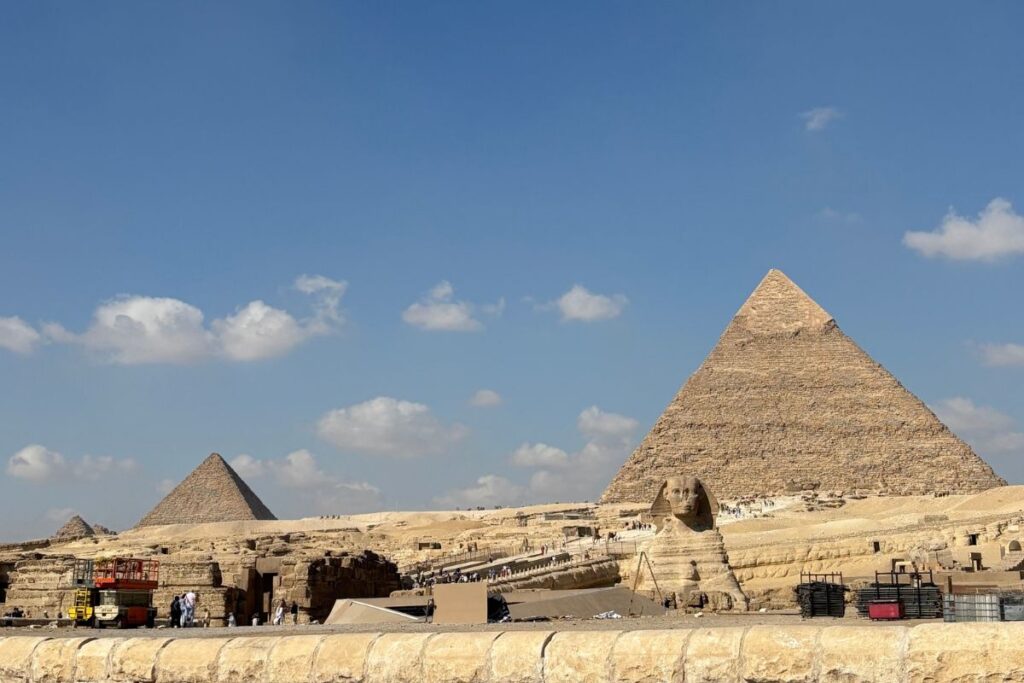
The Great Sphinx and pyramids at Giza—the trip that felt overwhelming to plan eventually became one of my most memorable.
The Hardest Part Is Often Getting Started
Some destinations don’t feel hard because they are hard.
They feel hard because you haven’t started yet.
The first Google search, the first decision about when to go, or the first rough itinerary can be enough to turn a destination from something you’re vaguely thinking about into a trip you can actually imagine taking.
You don’t need to understand every transportation system, choose every hotel, or know exactly how you’ll spend every day before you begin. You just need somewhere to start.
For Egypt, getting started meant figuring out when I wanted to go. Building the itinerary meant starting with what I already knew I wanted to see. For another trip, it might be finding the flight, deciding how many days you have, or realizing that there’s one part you’d rather let someone else handle.
The trip doesn’t have to come together all at once. It can come together one decision at a time.
Continue Learning
If this article resonated with you, here are a few more pieces that expand on the same ideas:
The Travel Planning Process I Wish I’d Learned Years Ago
Once you have a starting point, the next challenge is turning it into an actual itinerary. This is the planning process I use to research a destination, organize the logistics, and build a trip without trying to figure out everything at once.
I’m So Glad We Let a Local Agency Handle Machu Picchu
Sometimes the easiest way to make a complicated destination feel manageable is admitting you don’t have to plan every piece yourself. Here’s why handing some of the logistics over to a local agency was the right decision for our trip to Cusco and Machu Picchu.
The Middle Ground Between Cash Travel and Travel Hacking
There isn’t one right way to plan a trip—or pay for one. Here’s how I combine cash, points, and travel credits without letting the pursuit of the “perfect” redemption dictate where or how I travel.
Not Sure Where to Start With Your Own Trip?
Sometimes the hardest part of planning isn’t choosing a hotel or finding a flight. It’s figuring out which decision needs to come first.
Weather, transportation, points, travel dates, how many cities to include, whether to book independently or use a guide—each decision affects the next, and it’s easy for a trip to feel complicated before you’ve booked anything at all.
That’s exactly the kind of puzzle I enjoy working through.
If you have a destination in mind but aren’t sure how to turn it into an actual trip, work with me and I can help you build a plan around your time, budget, travel style, and priorities.