What to Do in Medellín: My First Impressions of Colombia
Colombia may have been my final stop in South America, but Ecuador ended up being one of the biggest surprises of the journey. Before reading about Medellín, take a look at Where to Go in Ecuador: The Best Regions for Your Trip.
I’m always excited for every country I get to visit, but I think we can all agree that there are certain destinations that come with an extra level of excitement and anticipation. For me, Colombia was definitely one of those places.
Colombia was the final stop on my five-week journey through South America. By the time I crossed the border from Ecuador, I was definitely starting to feel some travel fatigue. I had switched hotels far more often than I expected during the trip, and my suitcase and backpack were both embarrassingly overpacked. Every hotel change meant unpacking, reorganizing, and somehow trying to force everything back into the same bags again.
As I planned the Colombia portion of the trip, I decided to simplify my itinerary. I cut Bogotá entirely and focused on just Medellín and Cartagena, giving myself a slower pace for the final week before heading home. After nearly five weeks on the road, it felt like the right decision.
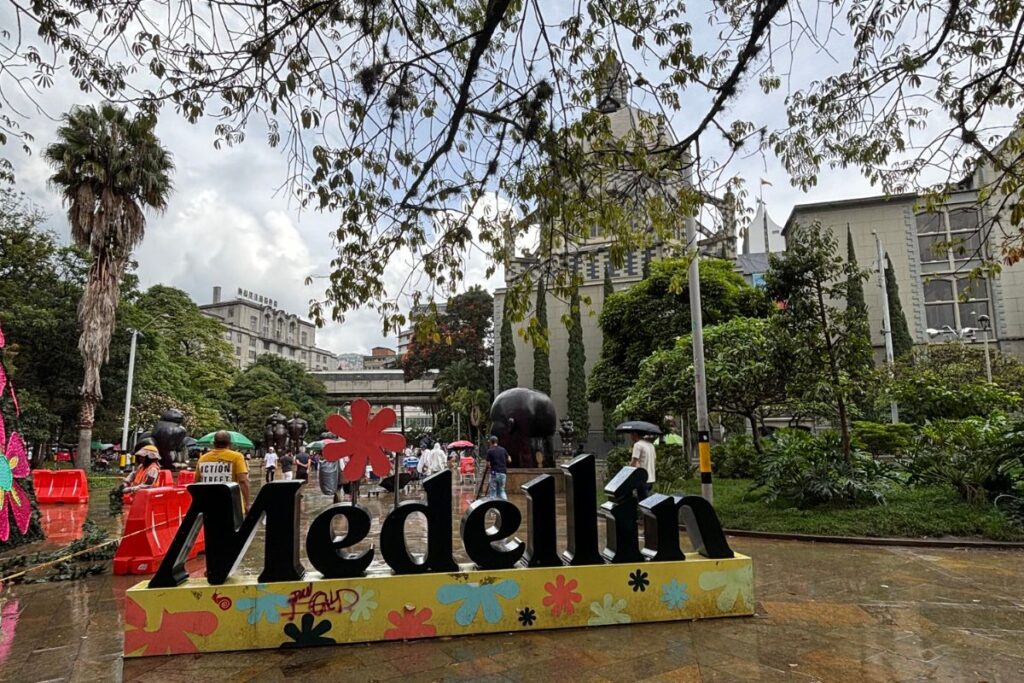
Medellín became my introduction to Colombia, and I couldn’t have picked a city that made a stronger first impression.
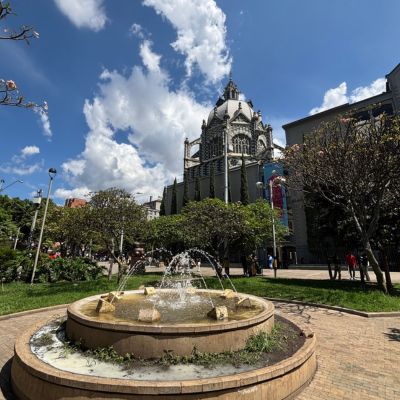
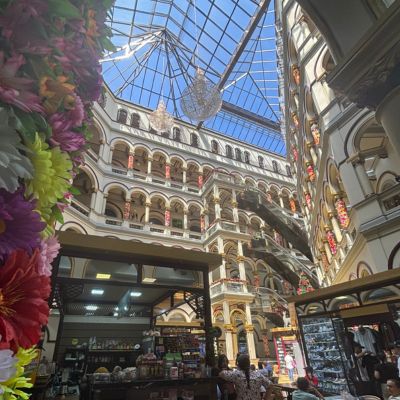
Palacio Nacional and the Medellín Metropolitan Cathedral showcase two very different sides of the city’s historic center, where grand architecture and everyday local life come together.
My First Impressions of Medellín
I based myself at The Somos Beats Hotel & Rooftop, just a short walk from Provenza and Manila. It turned out to be the perfect home base for my first few days in Colombia, close enough to explore some of Medellín’s liveliest neighborhoods on foot while still making it easy to reach the rest of the city.
The hotel itself had a very urban, modern feel with exposed brick, industrial pipes, and open hanging clothes storage. It fit the vibe of Medellín perfectly. One thing I especially looked forward to each morning was breakfast. Rather than a buffet, the hotel served a freshly prepared breakfast alongside fruit, coffee, and juice. I know this sounds dramatic, but after five weeks of traveling through South America, the fruit in Colombia tasted incredible and became the perfect way to start each day.
Stepping outside each morning, Medellín immediately felt different from the cities I’d visited earlier in the trip. After places like Quito and Santiago, everything here seemed louder, faster, and more alive. Music drifted out of cafés, traffic filled the streets, vendors lined the sidewalks, and people seemed to be everywhere. It was the first city in weeks that genuinely felt like sensory overload—in the best possible way.
What surprised me most wasn’t just how energetic the city felt, but how quickly that energy could change depending on where I was. One moment I’d be walking through the busy streets of downtown, and later that day I’d find myself riding cable cars over the mountains or wandering the quieter streets around Provenza. Medellín never seemed to show just one version of itself, and that became one of my favorite things about the city.
With a few days to explore, I decided to do what I almost always do when I arrive somewhere new: start with a walking tour.
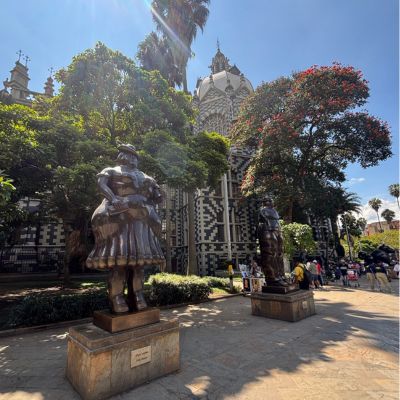
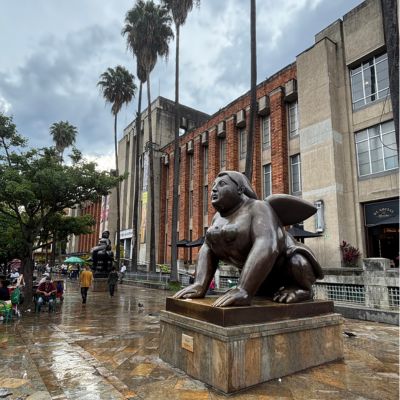
Plaza Botero is home to dozens of Fernando Botero’s iconic sculptures, making it one of Medellín’s most recognizable public spaces and a natural starting point for exploring the city’s historic center.
Exploring Medellín’s Historic Center
One of the first things I usually do in a new city is join a walking tour. They’re my favorite way to get oriented while learning about a destination’s history and culture.
And honestly, I don’t think there’s another city on this trip where a walking tour felt more useful than Medellín.
One of my first mornings I joined a GuruWalk through the city center. We walked through Plaza Botero, past the giant Botero sculptures, along Calle Carabobo with all the shops and market stalls, and through Plaza Bolívar. Both walking tours I did in Medellín spent a lot of time giving historical context to the places we were walking through rather than just naming landmarks. They explained how different neighborhoods evolved, the impact of violence and displacement throughout the city’s history, and the ongoing attempts at rebuilding and modernization.
I also appreciated that the guides were realistic. They pointed out areas we should avoid wandering into and explained where tourists really had no reason to be. Nothing ever felt unsafe during the tours themselves, but it was a reminder to stay aware of your surroundings.
I also visited the Museo de Antioquia while trying to escape a sudden rainstorm near Plaza Botero. It ended up working out perfectly. If you’re already exploring the square and appreciate Botero’s sculptures outside, the museum is worth stepping into for an hour or two.
Between the walking tour and the museum, I felt like I had a much better understanding of Medellín’s history before venturing into some of its more well-known neighborhoods.
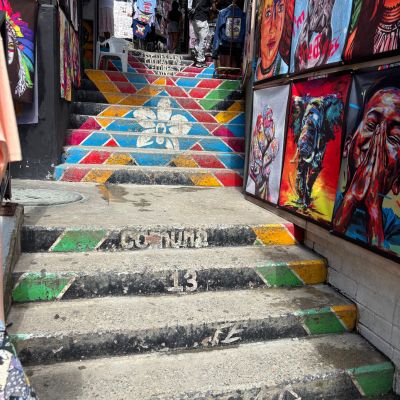
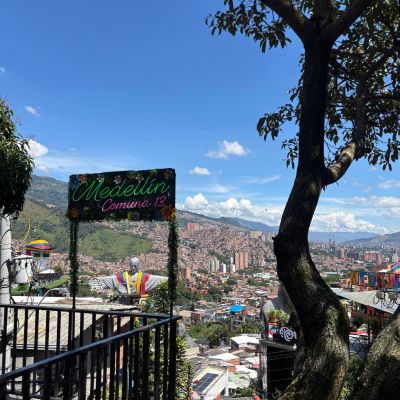
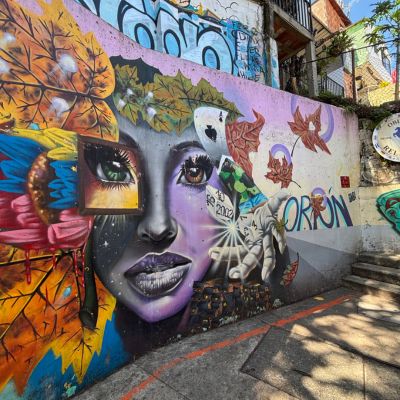
Comuna 13 combines colorful street art, sweeping city views, and a remarkable story of transformation, making it one of Medellín’s most memorable neighborhoods to explore.
Understanding Comuna 13 Beyond the Street Art
No trip to Medellín would feel complete without exploring Comuna 13. I joined another GuruWalk here, and it ended up being one of the most memorable experiences of my time in the city.
Walking through Comuna 13 felt completely different from exploring Medellín’s historic center earlier that day. The streets were much narrower, the neighborhood more compact, and there was always something happening around me. Musicians performed on street corners, artists added to colorful murals, food vendors lined the walkways, and visitors gathered around dancers and performers. Looking up, the homes seemed to climb endlessly up the hillside, stacked one above another in a way that made me appreciate how the neighborhood had grown not just outward, but upward over time.
One of the neighborhood’s most recognizable features today is its outdoor escalator system. Built to help residents navigate the steep hillsides, the escalators have become both a practical way to move through the community and a symbol of how much the neighborhood has changed over the years. Walking alongside them gave me a much better appreciation for just how steep Comuna 13 really is.
Of course, Comuna 13 wasn’t always known for its colorful murals and street performances. It was once considered one of the most dangerous neighborhoods in Colombia during the height of the country’s violence and armed conflict. Walking through it with a local guide gave much more meaning to what I was seeing. Rather than simply pointing out artwork, they explained how the neighborhood evolved, the impact the conflict had on the people who lived there, and the ongoing efforts to rebuild the community.
I think some of the tension visitors feel comes from trying to balance remembering that difficult history while also experiencing a place that has become one of Medellín’s most visited attractions. As visitors, it’s easy to simplify Colombia’s past into headlines, television shows, or a single narrative, but the reality was far more complex and deeply affected communities across the country. Visiting Comuna 13 with a local guide helped me appreciate that history through the stories of the people who lived it, rather than through the version many of us have seen from the outside.
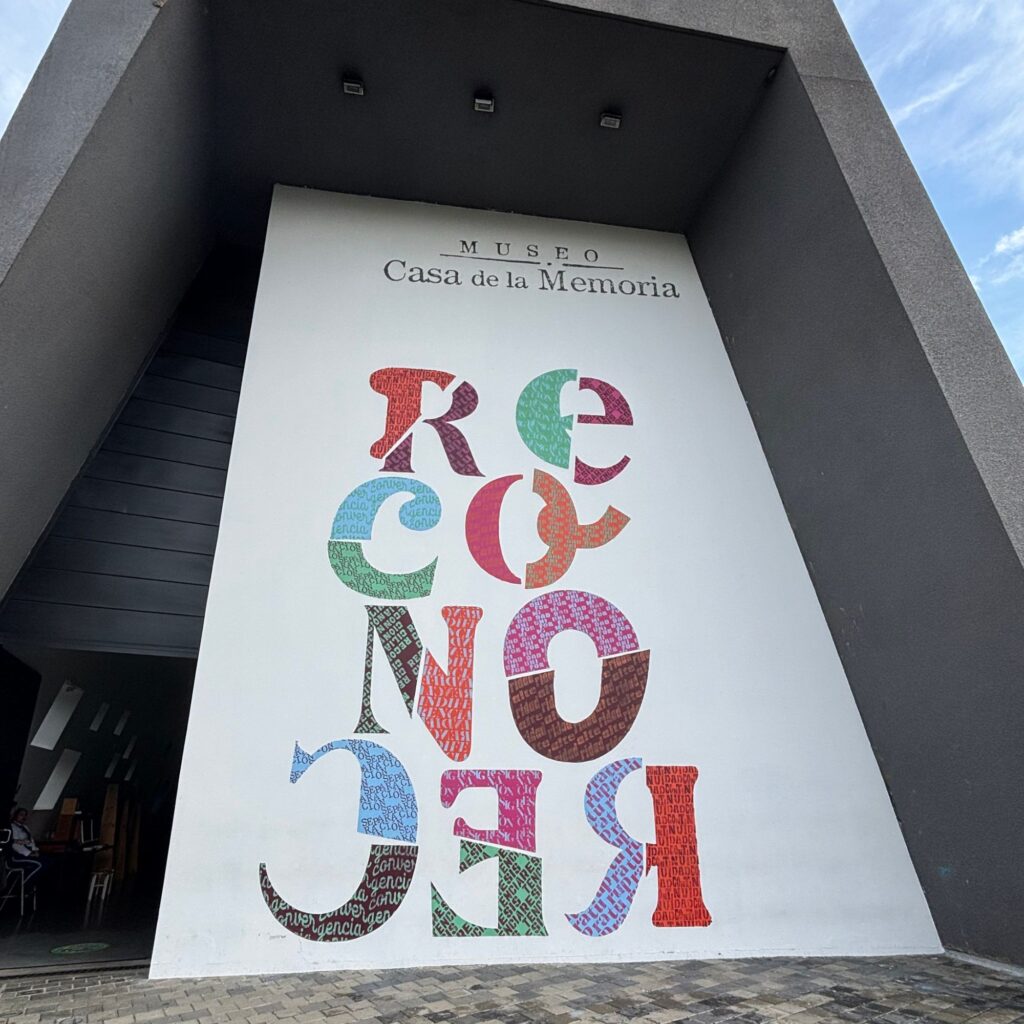
If you’re interested in learning more about that history, I’d also recommend visiting Museo Casa de la Memoria. It’s not a particularly large museum, but it complements a visit to Comuna 13 extremely well. One of the exhibits I found most impactful lets you trace Colombia’s history year by year and region by region, showing how violence and conflict affected different parts of the country over time.
Explore Comuna 13 tours in Medellín →
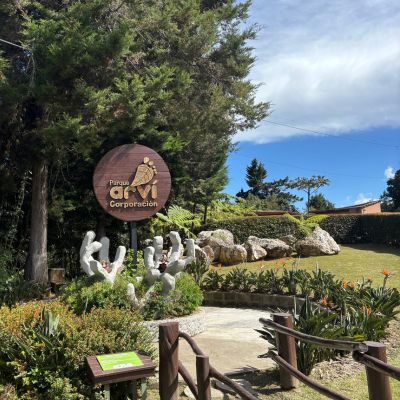
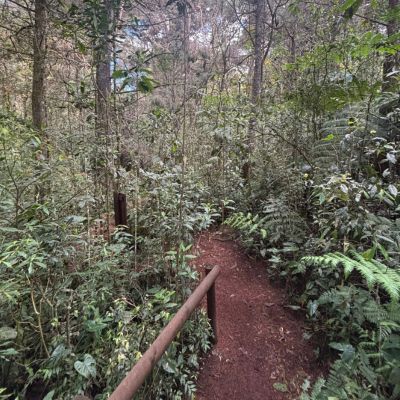
Parque Arví offers a completely different side of Medellín, with peaceful forest trails and nature just a MetroCable ride away from the city’s busy streets.
Parque Arví Was Bigger Than I Expected
For a complete change of scenery I headed to Parque Arví, which I reached using Medellín’s Metrocable system. Honestly, getting there is part of the experience. Depending on where you’re staying, you’ll likely transfer between multiple cable car lines as the city slowly gives way to rolling hills and eventually dense forest.
The ride itself offers a completely different perspective of Medellín. From above, you can see neighborhoods stretching across the hillsides, making it much easier to understand the city’s geography than you ever could from street level. Then, almost without realizing it, the buildings disappear and you’re gliding quietly above miles of lush green forest. It was unlike anything I’d experienced before.
This was also the attraction I underestimated the most.
For some reason, I pictured Parque Arví as a scenic overlook where you’d spend thirty minutes taking in the view, maybe grab a coffee, snap a few photos, and head back into the city. Instead, I found an enormous nature reserve with miles of walking trails that genuinely feels worlds away from downtown Medellín.
I made the mistake of squeezing it into the end of an already busy day after visiting Comuna 13 and exploring other parts of the city. Instead of slowing down and enjoying it, I spent most of my visit mentally checking the time because I knew I still had other things on my itinerary.
I also realized pretty quickly that I wasn’t dressed for the occasion. I arrived in casual city clothes and white sneakers without really thinking about the fact that it had rained the day before. This wasn’t a paved city park—it was an actual nature reserve.
By the time I left, my sneakers had definitely seen better days.
Despite my poor planning, Parque Arví ended up being one of my favorite surprises in Medellín. If I were planning the trip again, I’d dedicate an entire morning or afternoon to it with nothing else on the schedule. After spending time in the city’s busy streets, it provides the perfect reminder that Medellín isn’t just an urban destination—nature is never very far away.
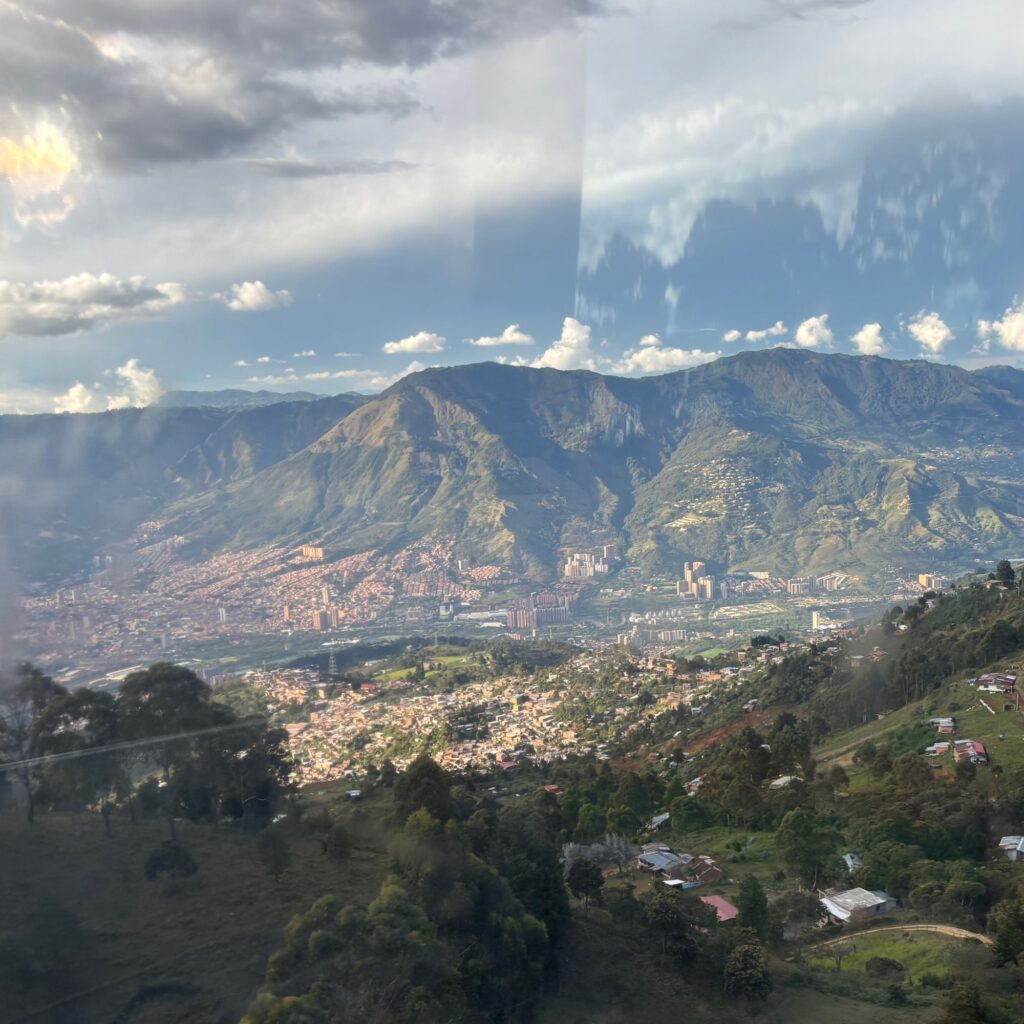
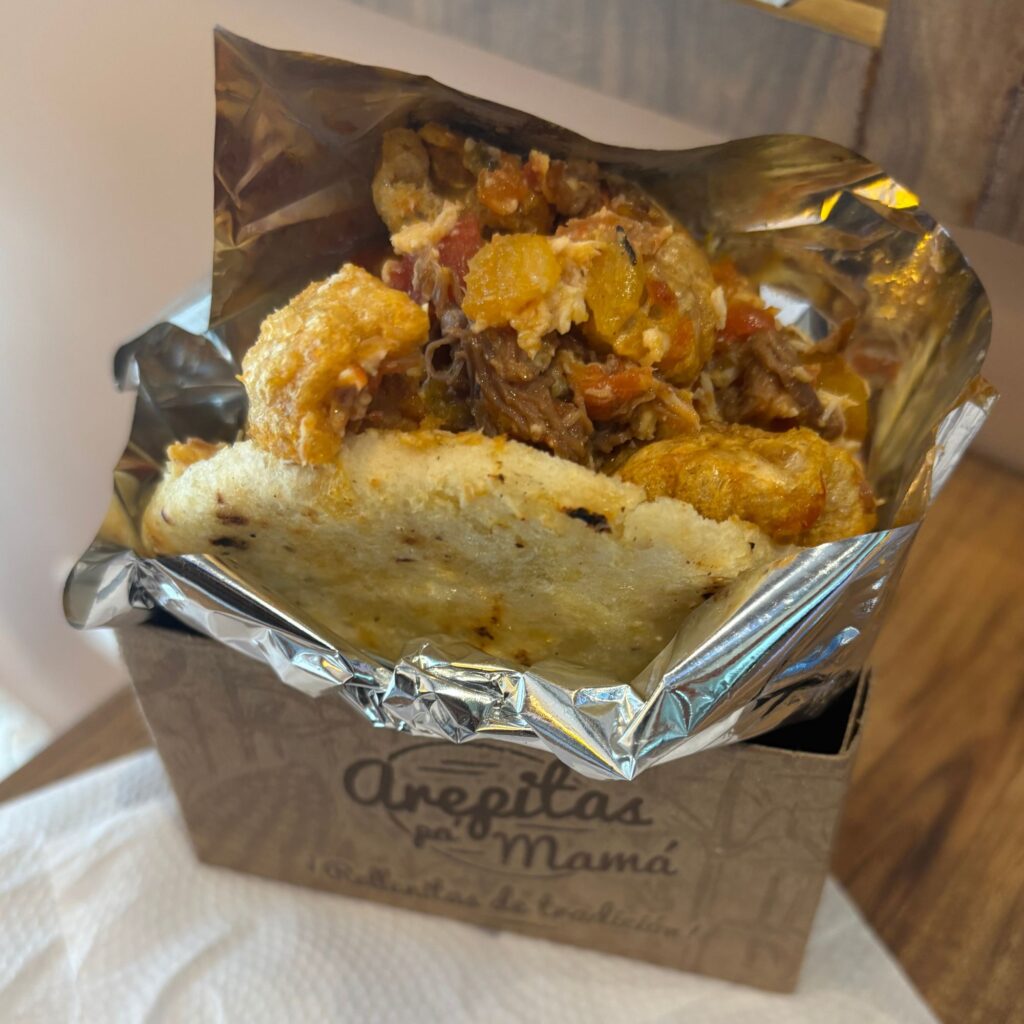
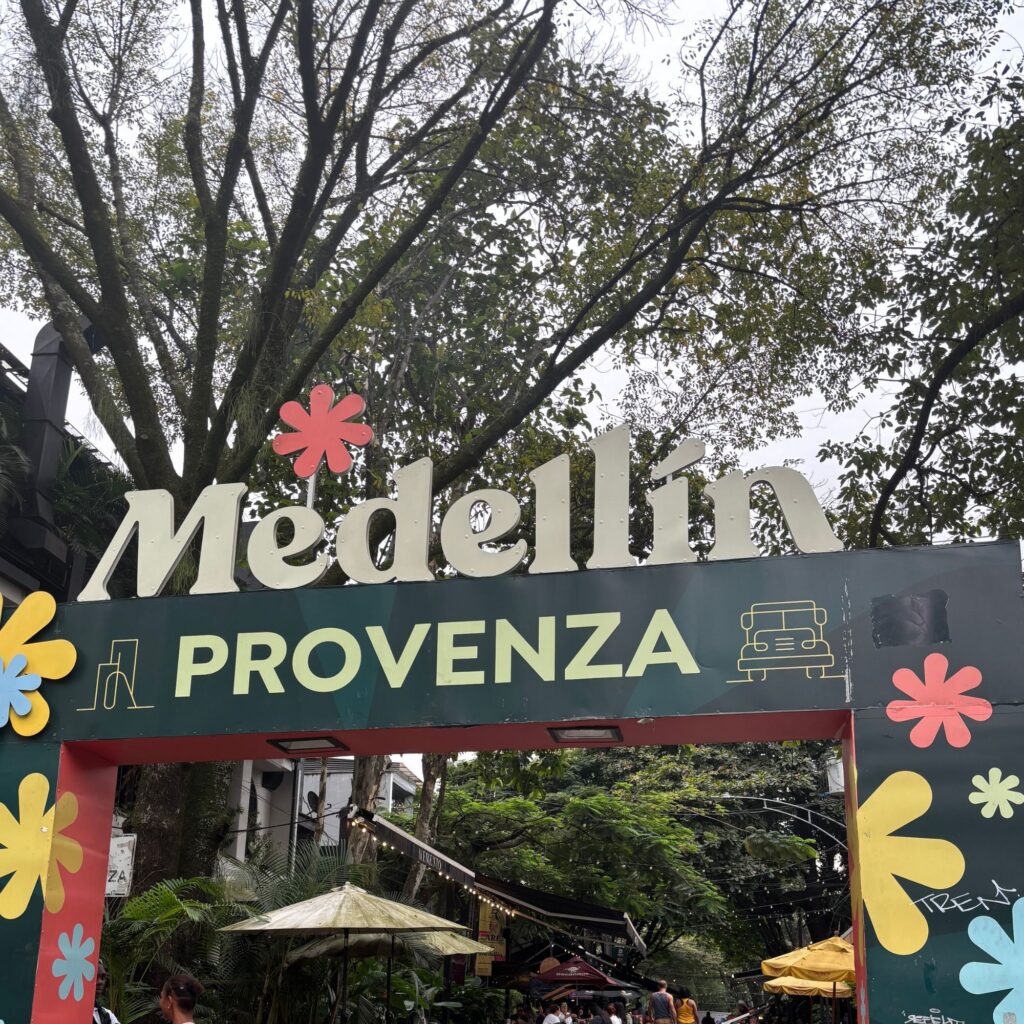
Beyond the cafés and nightlife, Provenza surprised me with mountain views, excellent food, and a slower pace that made it one of my favorite neighborhoods to simply wander.
Slowing Down in Provenza
If Comuna 13 and downtown showed me Medellín’s energy, Provenza showed me a much quieter side of the city. One thing I unexpectedly enjoyed was simply walking around Provenza and Manila during quieter hours of the day.
Originally I wasn’t planning to experience much nightlife while in Medellín even though my hotel was right near Provenza. Solo travel for long periods sometimes makes me a little more cautious at night, especially in places I’m still getting familiar with.
But on my final morning before leaving Medellín for Cannúa, I spent a few hours just slowly walking around the neighborhood after breakfast.
Technically I could have tried to squeeze in more sightseeing that morning. I had considered places like Museo El Castillo or even trying to fit in another park before my pickup. But because I hadn’t really taken the time to properly explore the neighborhood around me yet, I decided to keep the morning low key instead of racing the clock trying to fit in one last attraction before checkout.
Seeing Provenza during the daytime completely changed my perspective on it. In the mornings you can watch restaurants opening for the day, vendors setting up, music slowly starting to drift through the streets, and locals having coffee outside before things become crowded later at night.
The entire area stretches for several blocks and feels much more relaxed during the day than I expected. Honestly, if I had explored it earlier in my stay and gotten more comfortable with the layout of the neighborhood, I probably would have gone back out one evening for dinner or drinks. Not until 1 a.m. or anything crazy, but enough to actually experience the atmosphere a little more.
Final Thoughts
Before arriving in Medellín, I expected a city known for its nightlife, coffee, and mountain views. I left realizing that it was much harder to define than that.
Every part of the city revealed something different. The historic center helped me understand Medellín’s past, Comuna 13 showed how much a community can transform, Parque Arví reminded me that nature is never far away, and Provenza proved that some of the best travel moments come from simply slowing down and observing everyday life.
If there’s one thing I’d do differently, it would be giving myself another day or two. Not because I missed any major attractions, but because Medellín is a city that rewards moving at a slower pace. Looking back, some of my favorite memories weren’t checking sights off a list, they were riding the Metrocable over the mountains, wandering Provenza on a quiet morning, or lingering over breakfast before heading out for the day.
Medellín never showed me just one version of itself, and I think that’s exactly why it became one of the most memorable stops of my South America trip.
Next Up: Guatapé Day Trip or Overnight Stay? Here’s What I Chose
I left the city behind for the mountains, spending a few days at Cannúa before continuing on to Guatapé, where one unexpected experience would become a highlight of my entire journey.