What 2026 Taught Me About Travel
At the beginning of 2026, I had plenty of ideas about where I wanted to go. What I hadn’t thought much about was how those trips might change what I wanted from travel itself.
After weeks of shuttles in Central America, I found myself craving Europe’s trains and walkable cities. Our family trip to Spain gave us a more comfortable pace, but we still left with places we hadn’t seen. And somewhere between Mostar and Tossa de Mar, destinations I’d added along the way became places I could imagine building a return trip around.
The places mattered, but so did noticing what made me happy once I was there. Sometimes it was exploring somewhere new. Other times, it was staying put long enough to enjoy it without thinking about the next departure.
Looking back, four lessons stand out. They’re shaping the trips I’m considering now, including what I want to repeat, what I’d change, and where I’m happy to leave something for another visit.
What I’m Taking Into My Next Trip
Slower travel still involves choices: More time doesn’t mean seeing everything, and an unfinished wish list can be a good outcome.
Give smaller stops a fair chance: The place you add between bigger destinations might become somewhere you want to return to.
Let an enjoyable trip be enough: Familiar places and simpler plans don’t need a bucket-list justification.
Notice what works for you: Use what you enjoyed, what tired you out, and what you wanted more of to shape the next itinerary.
Even Slower Travel Doesn’t Mean Seeing Everything
Our ten-day family trip to Spain was deliberately more restrained than some of the itineraries I’d planned before. We chose three bases, Madrid, Tossa de Mar, and Barcelona, rather than trying to cover every region that interested me. Most days revolved around one main activity, leaving time to wander, enjoy meals, and return to the hotel when the heat caught up with us.
And we still left with places we hadn’t seen.
A few years ago, I might have taken that as a sign that I hadn’t planned well enough. Surely we could have squeezed in another museum or found a way to make one more day trip work. This time, I could see what those additions would have displaced: a break someone needed, more time by the water, or an afternoon that was enjoyable precisely because we weren’t watching the clock.
Girona was a good example. We spent only a few hours there on our way to the Costa Brava, and its medieval streets and walls left me wanting a longer visit. But extending that stop would have changed the rest of our day. I was happy we’d seen it, and I could also imagine returning to give it time of its own.
That was the part I hadn’t fully understood about slowing down. Giving a destination more time doesn’t necessarily make the wish list disappear. Sometimes it makes you curious about even more. By the time I warmed up to Barcelona, I was already wondering what else we could explore on another trip.
I still care about planning enough time for the experiences that bring me somewhere. But I’m less inclined to judge an itinerary by how little remains unseen. We enjoyed the places we chose, had room to take breaks, and came home wanting to return. That feels like a good outcome for ten days in a country I’d never visited before.
The Places I Added Became Places I’d Return For
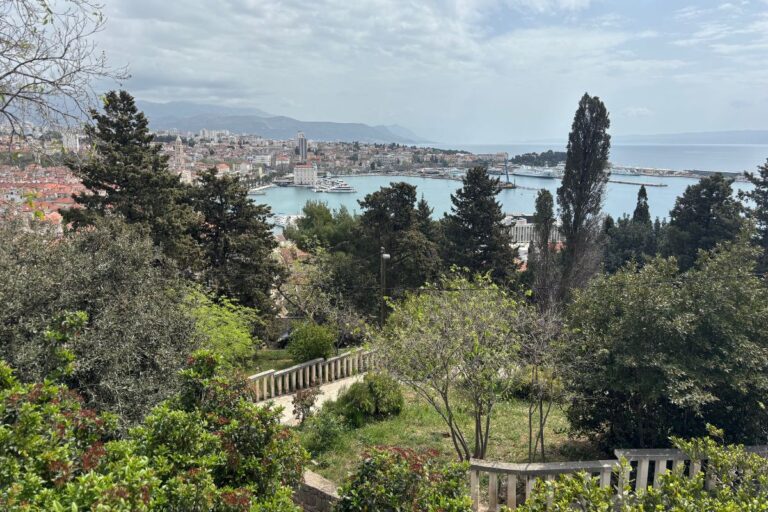
When I think about the places I was most excited to visit in 2026, Dubrovnik was certainly on the list. I’d seen enough photographs of its walls and coastline to have fairly high expectations, and it lived up to them. What I hadn’t anticipated was how often I’d come home talking about places that hadn’t been the reason I booked the trip.
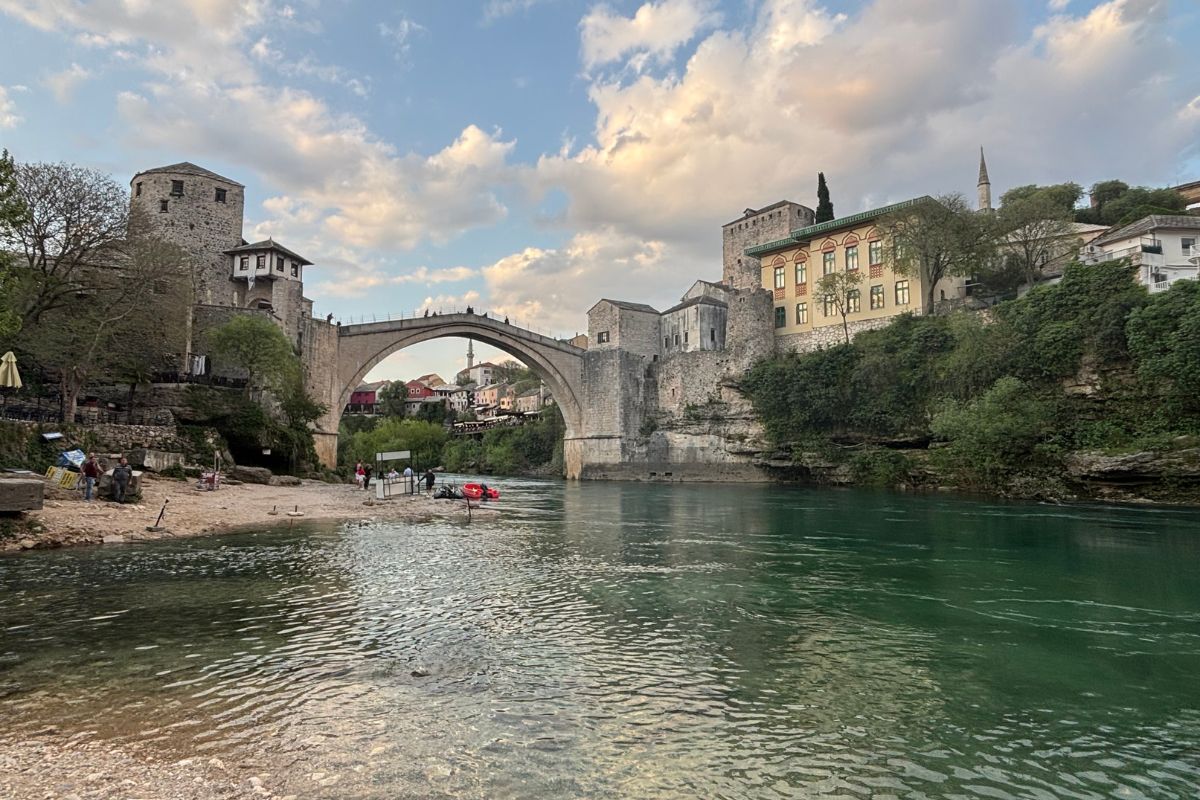
Mostar was one of them. Before arriving, I knew very little about it beyond the famous bridge. It became a stop on my route through the region, but I left curious about how much more there was to see in Bosnia and Herzegovina. A place I’d added to the itinerary had given me a reason to plan another trip.
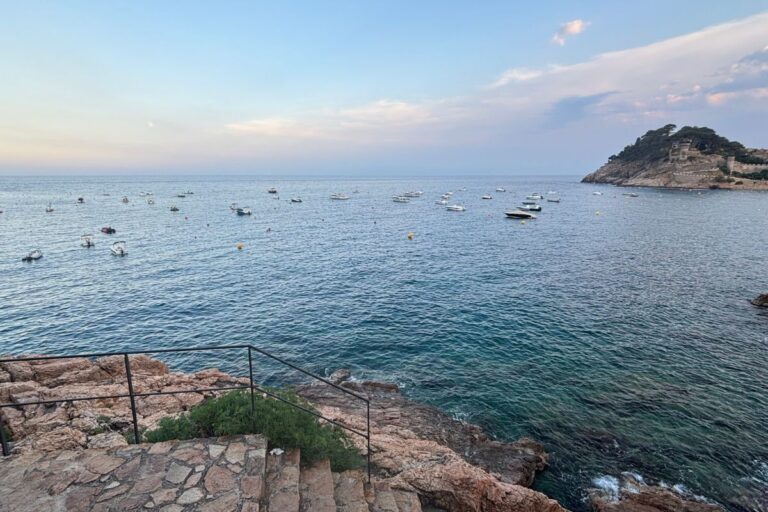
Tossa de Mar surprised me in a different way. Madrid and Barcelona were the obvious anchors for our first visit to Spain, while the Costa Brava gave us a few days by the sea between them. I expected to enjoy it. I didn’t expect the clear water, coastal scenery, and slower days to become some of the things I remembered most fondly afterward. I could easily imagine returning without needing to attach it to a larger sightseeing trip.
That’s made me more interested in the places around the destinations I already know I want to visit. A smaller city or coastal town can give a trip a different rhythm, and sometimes it helps me understand what I’m enjoying more clearly than another major attraction would.
Of course, that doesn’t mean every nearby town needs a place on the route. I’m still trying to avoid turning curiosity into another hotel move every night. But when somewhere interests me enough to include it, I want to give it a fair share of my time rather than treat it as something to fit between the important stops. I won’t necessarily know which places matter most to me until I’ve been there.
Not Every Trip Has to Be Once in a Lifetime
When I have the chance to travel, my instinct is usually to make the most of it. If I’m taking a long flight, I start looking at what else is nearby. If I have another few days available, I wonder whether I could add another city. Somewhere along the way, making a trip worthwhile can turn into making it bigger.
There’s nothing wrong with being excited about the possibilities. Some of my favorite journeys have come together that way. But this year, I started questioning why a trip sometimes needed so many reasons to justify it.
Would spending a week somewhere simply because I enjoyed being there be enough?
I could happily return to Tossa de Mar just for the water, walks, and time by the coast. London brings out that same feeling in a place I already know well. I don’t need every visit to revolve around attractions I haven’t seen. Walking through familiar neighborhoods and spending time in a city I love can be enough to make me want to go.
Another visit doesn’t need to compete with a first trip somewhere else. There will always be a new country, a longer route, or an experience that sounds more impressive when someone asks about my plans. If that becomes the standard for every vacation, even a trip I’d enjoy can start to feel insufficient.
I still have plenty of bucket-list destinations, and I’m not suddenly losing interest in longer adventures. I just want to be equally comfortable choosing a trip because it sounds enjoyable, even when there’s nothing particularly extraordinary about the plan. A few days with people I love or time in a place where I feel comfortable can be a perfectly good reason to go.
The Place I Want Travel to Have in My Life
For years, travel was something I fitted around work. I’d look at my vacation days, figure out when I could get away, and try to make that time count. I loved having a trip to look forward to, but there was also pressure attached to it. If this was my chance to take a break, I wanted to choose well.
This year gave me more time and less certainty, which is a different combination to plan around. Having time to travel doesn’t automatically mean feeling comfortable spending the money. Points and benefits I’d accumulated helped, but I still had to decide what I wanted to use, what I was willing to pay for, and which plans could wait.
It also gave me room to think about what I want travel to look like when work becomes a bigger part of my schedule again. I know I’ll have fewer open weeks. I won’t be able to follow every interesting itinerary as soon as it occurs to me. But I’d like to carry forward some of what I’ve enjoyed this year, including giving familiar places another visit and making room for trips that don’t require months of preparation.
Travel has also become part of my everyday life through this blog. Writing about a trip means revisiting the decisions behind it, noticing what I’d change, and sometimes realizing that the experience I keep returning to barely appeared in my original plan. I enjoy that part almost as much as researching somewhere new, and it’s made me more aware of what I want to protect when I travel.
Before planning your next trip, it might be worth looking back at the last one. What would you happily do again, what left you exhausted, and what did you wish you’d given more time? Those answers can help you decide whether you want another destination, fewer hotel changes, or simply a few days somewhere you already know you enjoy. You don’t have to change your whole approach to travel. One different choice might be enough.
I’m still figuring out how all of this fits alongside work, finances, and family. There isn’t a finished plan for the next decade. But I have a clearer idea of what I want to make room for: time with my parents and sister, places I’m curious about, and enough flexibility to enjoy a trip once I’m there. That’s something I can keep in mind whether I’m planning a long journey or deciding how to use a few days off.
Continue Reading: The Trips Behind the Lessons
- The Real Cost of a Comfortable Spain Trip in 2026: How we balanced sightseeing, comfort, and spending on our family trip.
- Why I’ll Stop Saving Central America for “Someday”: What finally exploring the region taught me about places I’d kept putting off.
- The Travel Planning Process I Wish I’d Learned Years Ago: Turn what you’ve learned about your travel preferences into an itinerary that fits.
- The Middle Ground Between Cash Travel and Travel Hacking: How I use rewards alongside cash to support the travel I want to take.